An intent to use trademark application under Section 1(b) lets you apply before using a mark in commerce. It can preserve an earlier priority date, but the USPTO will not register the mark until you submit an acceptable Allegation of Use.
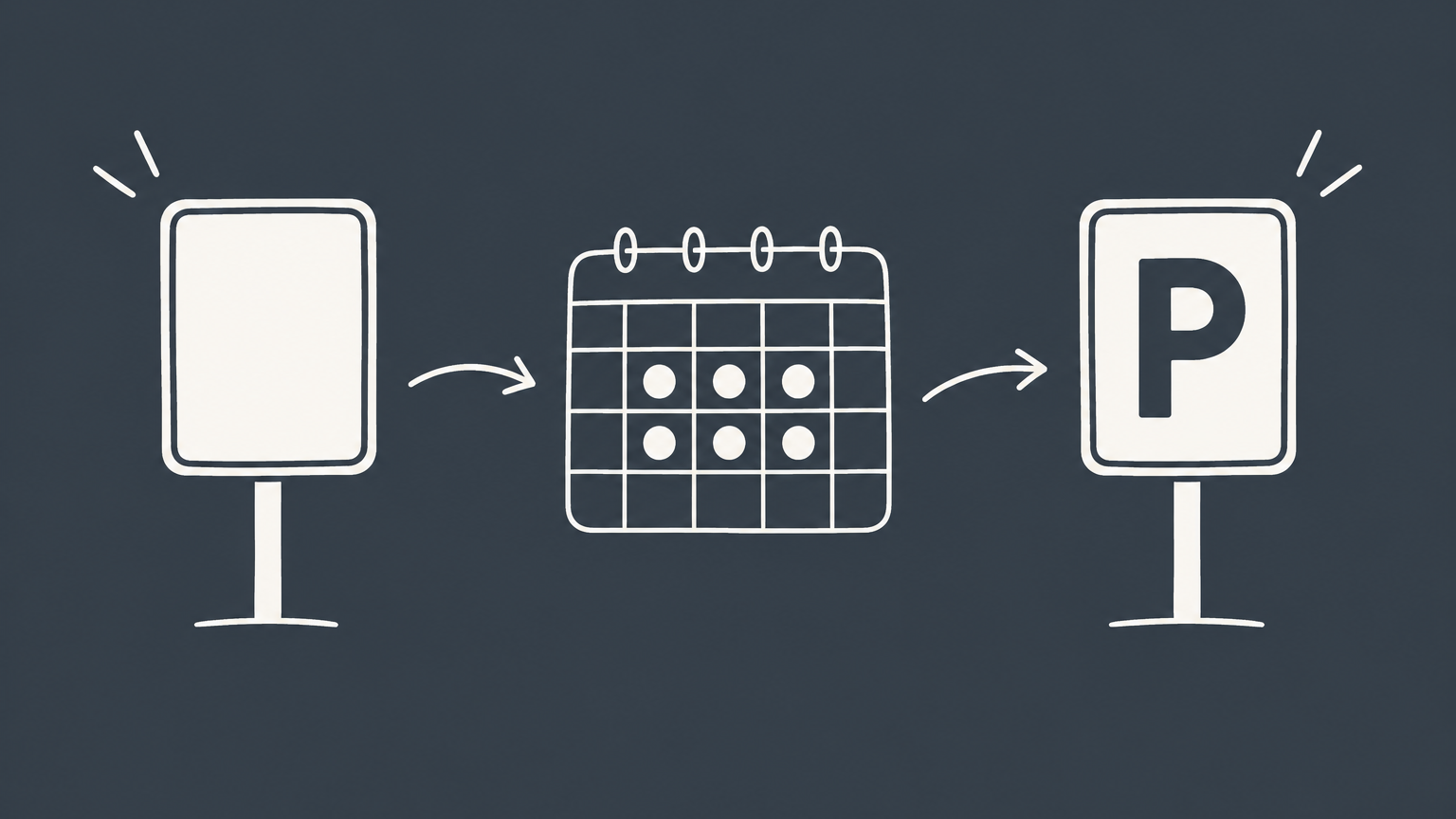
Key Takeaways
- A Section 1(b) application is available when you have a bona fide intention to use a mark but have not started qualifying commercial use.
- You may establish priority from the application filing date if the mark ultimately registers, subject to earlier rights held by others.
- File an Amendment to Allege Use before approval for publication or a Statement of Use after the Notice of Allowance.
- A Statement of Use is due within six months after the Notice of Allowance unless you request an extension.
- You may request up to five six-month extensions, allowing as long as 36 months after the Notice of Allowance to prove use.
- Each class requires accurate use claims, an acceptable specimen, and the applicable federal fee.
- Section 10 restricts assignment of an intent-to-use application before an acceptable allegation of use is filed.
What Is an Intent to Use Trademark Application?
An intent-to-use, or ITU, application is a federal trademark application based on a genuine plan to use the mark in commerce. Section 1(b) of the Trademark Act authorizes this filing basis. It is useful when you have selected a name, logo, or slogan but have not yet launched the associated goods or services.
You do not submit a specimen with the initial Section 1(b) application. You identify the mark, owner, goods or services, and applicable classes, then verify that the applicant has a bona fide intention to use the mark in commerce. A vague desire to hold a name for possible future use is not enough.
The filing date may later serve as the applicant's constructive-use priority date if the mark registers. That benefit does not guarantee ownership or eliminate earlier rights. A business that used a confusingly similar mark first may retain rights in its existing territory, and an earlier application may block yours. Conducting a clearance search before filing can reduce these risks.
Legal intent under Section 1(b) also differs from the intent used to determine whether parties formed an agreement. If your launch involves preliminary commercial documents, review how a contract of intent works separately. For the trademark application, keep objective records showing real launch preparations, such as product development, packaging drafts, supplier discussions, regulatory work, marketing plans, or financing activity.
Intent-to-Use Trademark Timeline and Six-Month Deadlines
The USPTO first examines the application for formal and substantive issues. An examining attorney may question the identification of goods or services, ownership, distinctiveness, or possible conflict with an existing mark. If the application is approved, the USPTO publishes it so third parties can oppose registration or request additional time to oppose.
If no opposition prevents the application from proceeding, the USPTO issues a Notice of Allowance. The notice does not register the mark. It starts the deadline for proving use through a Statement of Use.
- Initial six-month period: File a Statement of Use or a request for a six-month extension within six months after the Notice of Allowance.
- Additional extensions: You may request up to five extensions in total. Each request provides another six months.
- Final deadline: With all five extensions, the Statement of Use must generally be filed no later than 36 months after the Notice of Allowance.
The first extension requires a verified statement that you continue to have a bona fide intention to use the mark. Later extensions also require good cause, generally supported by ongoing efforts to launch the goods or services. Product development, manufacturing, market testing, licensing activity, and obtaining required approvals may support that explanation.
Missing the deadline for both the Statement of Use and an available extension can abandon the application. The USPTO does not automatically grant extra time because a launch was delayed. Track the Notice of Allowance date and each class covered by the application.
What Counts as Use in Commerce and an Acceptable Specimen?
Trademark use must be bona fide use in the ordinary course of trade, not a token transaction made only to support an application. The requirements differ for goods and services.
For goods, the mark generally must appear on the goods, their containers, tags, labels, or an appropriate point-of-sale display. The goods must also be sold or transported in commerce that Congress may regulate. Common specimens include photographs of marked products, packaging, labels, or webpages that associate the mark with the goods and provide a way to order them.
For services, the mark must be used or displayed in selling or advertising the services, and the services must actually be rendered in commerce. Potential specimens include service webpages, advertisements, brochures, or signs that create a direct association between the mark and the identified services.
A webpage screenshot should show the relevant content as customers encounter it. USPTO filings generally require the webpage address and the date the page was accessed or printed. A mockup, printer's proof, digitally altered image, private draft page, or advertisement for goods that does not provide purchasing information may be rejected.
Ornamental presentation can also fail. A large phrase across the front of a shirt may look decorative rather than source-identifying. The same wording on a neck label, hangtag, packaging, or appropriate sales page may function as a trademark. Before filing, compare each specimen to the specific goods or services listed in that class.
Converting an ITU Application With an Allegation of Use
You convert a Section 1(b) application by filing an Allegation of Use after qualifying commercial use begins. Its name and timing depend on the application's procedural stage.
- Amendment to Allege Use: File this after beginning use but before the examining attorney approves the application for publication.
- Statement of Use: File this after the USPTO issues the Notice of Allowance.
Once the application has been approved for publication, you generally cannot file an Amendment to Allege Use. You must wait for a Notice of Allowance and then file a Statement of Use. A Statement of Use submitted before the notice is premature.
The allegation must include a verified claim of use, dates of first use, an acceptable specimen, and the required fee for each class. The goods and services claimed must remain within the scope of the application. You may narrow or delete items, but you generally cannot expand the identification to add new goods or services.
If use has begun for only some items, delete the unused items, seek more time where available, or consider dividing the application. Division can allow the portion already in use to proceed separately while the remaining portion stays pending, but additional fees apply. Do not claim use for an entire class merely because one planned product is close to launch.
If ownership, specimens, launch timing, or multiple classes make the filing uncertain, you can post your legal need on UpCounsel's marketplace. A trademark lawyer can review the correct applicant, confirm whether use qualifies, evaluate each specimen, prepare an Allegation of Use or extension, and identify assignment risks. Responses typically arrive within a day, which can help when a six-month deadline is approaching.
Intent-to-Use Application and Statement of Use Costs
Federal trademark fees apply per class, so the total depends heavily on how many classes your goods and services occupy. The following amounts reflect the USPTO fee schedule that took effect January 18, 2025. Check the current USPTO instructions before filing because fees can change.
| Filing | Federal Fee |
|---|---|
| Base trademark application | $350 per class |
| Amendment to Allege Use | $150 per class |
| Statement of Use | $150 per class |
| Six-month extension request | $125 per class |
A one-class ITU application that proceeds without an extension therefore has at least $500 in base federal filing and use-allegation fees. If the applicant uses all five extensions, those extension fees add $625 for that class. Additional application fees may apply when an applicant provides insufficient information or uses a custom description instead of selecting acceptable wording from the USPTO's identification system.
These amounts do not include clearance searches, legal fees, responses to refusals, opposition proceedings, division fees, or later registration maintenance. Filing unnecessary classes can increase every stage's cost. Before applying, identify what you will actually offer and create a focused list consistent with your launch plan. Organizing that rollout alongside your business plan contents can help connect each class to a real product or service.
Can You Assign an Intent-to-Use Trademark Application?
Section 10 of the Trademark Act sharply restricts assignment of a Section 1(b) application before an acceptable allegation of use is filed. The usual exception permits transfer to a successor to the applicant's ongoing and existing business, or the relevant portion of that business, to which the mark pertains.
This rule prevents parties from trading applications that represent only an intent to use a mark. An assignment executed too early without fitting the statutory exception may be void and can jeopardize the application or resulting registration. Merely transferring the application document or promising that the buyer will launch the brand may not satisfy the exception.
Review the restriction during a merger, asset sale, founder reorganization, licensing transaction, or transfer to a newly formed entity. The trademark applicant must also be the party that possessed the bona fide intent on the filing date. Naming a founder when the company owns the business, or naming a holding company with no real launch plan, can create problems that a later assignment may not fix.
If a business acquisition is still at the proposal stage, an intent to purchase agreement may outline the expected transaction, but it does not itself overcome the federal restriction. Counsel should review the trademark's filing basis, allegation-of-use status, business assets being transferred, and assignment language before closing.
Common Intent-to-Use Filing Mistakes
Many ITU problems begin before the application is submitted. Confirm the proper owner, clear the mark, and make sure the launch plan covers every listed good or service. The applicant must possess the bona fide intent when filing. Evidence created only after a dispute begins may carry less weight than ordinary business records prepared during development.
- Filing defensively without a real plan: Applying for numerous names merely to keep others from using them can expose the application to challenge.
- Using the wrong owner: An application filed by an entity that did not own the mark or possess the required intent may not be correctable.
- Overclaiming goods or services: Broad descriptions increase fees and make it harder to prove legitimate intent and use for every item.
- Submitting a mockup: A rendering of planned packaging or a staged webpage does not prove actual commercial use.
- Confusing advertising with goods use: Advertising alone is usually not an acceptable specimen for goods, although it may support services when it directly associates the mark with services already rendered.
- Filing a Statement of Use too soon: Use must have begun, and the USPTO must have issued the Notice of Allowance.
- Missing extension deadlines: Development delays do not preserve an application unless a timely, valid extension remains available and is filed.
- Transferring the application prematurely: A routine assignment may violate Section 10 before an acceptable allegation of use.
Keep application receipts, specimens, dated screenshots, first-sale records, extension confirmations, and USPTO correspondence. Check the official record after every submission. A filing receipt alone does not establish that the USPTO accepted the specimen or approved registration.
Frequently Asked Questions
How Much Does an Intent-to-Use Trademark Application Cost?
The minimum federal cost is generally $500 for one class under the fee schedule effective January 18, 2025, consisting of a $350 application fee and a $150 allegation-of-use fee. Extensions, custom identifications, extra classes, division, legal assistance, and responses to USPTO refusals can increase the total.
Can You Assign an Intent-to-Use Trademark Application?
You generally cannot freely assign an ITU application before filing an acceptable allegation of use. A limited exception covers a transfer to a successor of the applicant's ongoing and existing business, or the relevant part of that business. Because a defective transfer can invalidate rights, transaction documents should address both the application and associated business assets.
How Long Does an Intent-to-Use Trademark Last?
An ITU application can remain pending through examination and, after the Notice of Allowance, for up to 36 months if every available extension is timely filed. That period is not a guaranteed registration term. Office actions, opposition proceedings, abandonment, or failure to maintain a bona fide launch plan can affect the application.
Do You Have to Use TM Every Time?
No, federal law does not require you to display TM every time you use a claimed trademark. TM can give notice that you claim trademark rights even before registration. Use the federal registration symbol only after the USPTO registers the mark, and only with the goods or services covered by that registration.


