A notice of allowance means the USPTO has determined that a patent application is ready for issuance, but it does not mean the patent has already been granted. You must still review the notice, pay the required fees, resolve listed formalities, and make any related-application decisions before issuance.
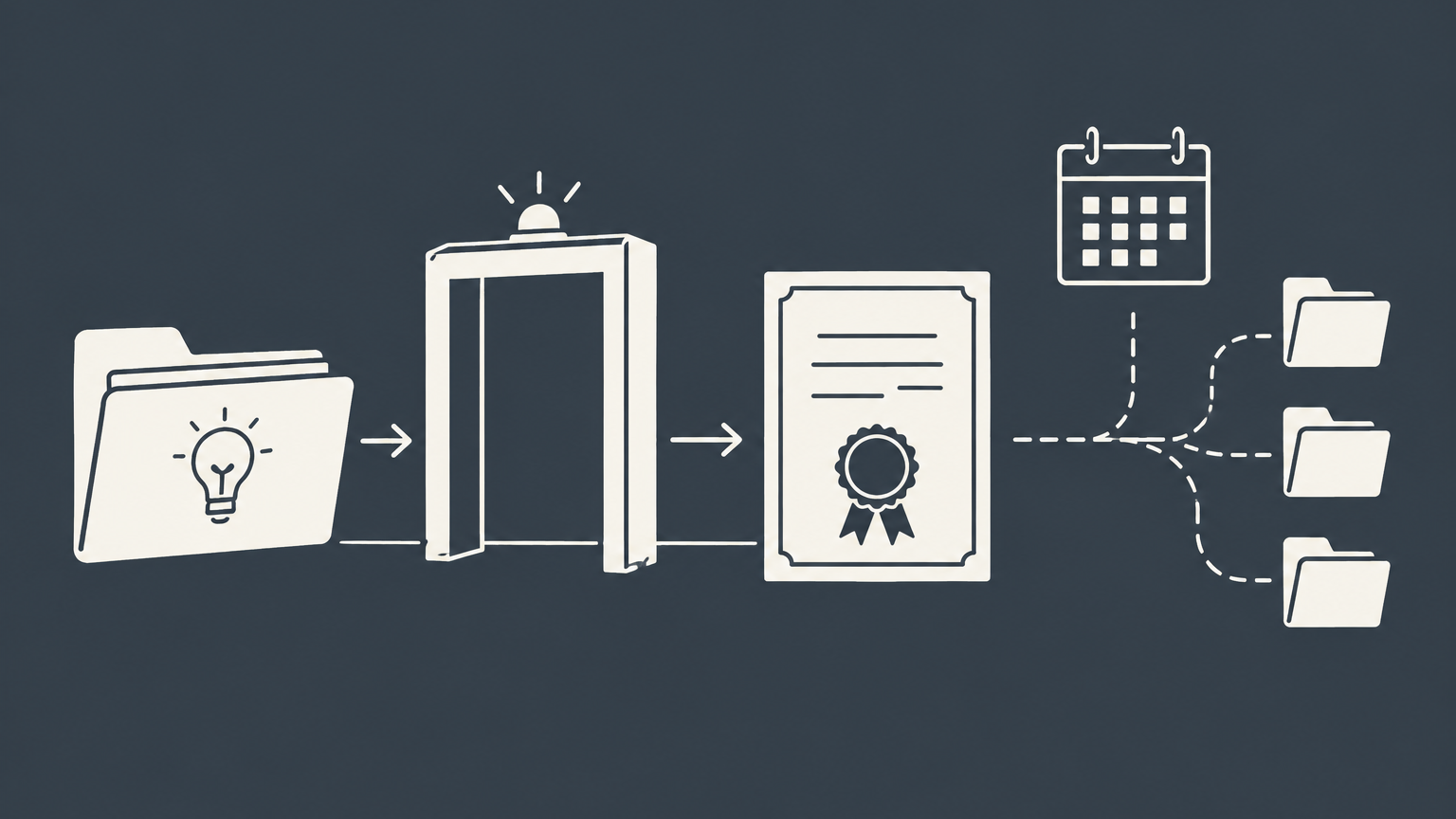
Key Takeaways
- A patent Notice of Allowance confirms allowance, not patent issuance.
- The issue fee generally must be paid within three months of the notice's mailing date, and that period cannot be extended.
- Check the application data, fees, drawings, examiner notes, and correspondence address immediately.
- An Office of Publications status does not replace the notice or prove that every requirement has been completed.
- File any continuation or divisional application before the allowed application issues as a patent.
- The issue fee is separate from maintenance fees that may become due after certain patents issue.
What Is a Notice of Allowance for a Patent?
A USPTO Notice of Allowance is a written notification that the patent examiner has determined that the application can proceed toward issuance. It ordinarily identifies the application, states the fees due, and gives the deadline for payment. It may arrive with other documents explaining allowed claims, examiner amendments, reasons for allowance, or unresolved formal requirements.
Allowance is not the same as a patent grant. At the allowance stage, the USPTO has completed substantive examination and found allowable subject matter, but the agency has not issued the patent. The applicant must complete the remaining post-allowance steps. Until issuance, you should describe the application as allowed or patent pending, not as an issued patent.
The mailing date matters because it starts the statutory period for paying the issue fee. The notice should also be compared with the application's prosecution record. Confirm which claims were allowed, whether the examiner entered an amendment, and whether any objections or drawing requirements remain. If you need context on the identifiers shown in the file, see the difference between a patent application number and publication number.
The notice is close to the end of prosecution, but it is not merely ceremonial. An unpaid fee, incorrect application detail, unresolved drawing problem, or missed related-application filing can affect issuance or your broader patent strategy. Treat the mailing date as the start of a short final review period rather than waiting until the payment deadline approaches.
What to Do After Receiving a USPTO Notice of Allowance
Start by downloading and saving the complete notice and every accompanying document. Record the mailing date and the stated payment deadline in more than one calendar. The issue fee is generally due within three months after the notice is mailed, and the statutory payment period is not extendable. Follow the date and instructions printed on your actual notice.
Next, complete these steps:
- Confirm the application. Check the application number, title, named inventors, applicant information, entity status, and correspondence information.
- Review the allowed claims. Compare them with the most recent claim set and any examiner's amendment. Make sure you understand the protection that will issue.
- Identify every amount due. Use the fee information in the notice and the USPTO's current fee schedule. Fees can depend on the application and the applicant's entity status.
- Resolve listed formalities. Submit corrected or replacement drawings and other required items in the manner directed by the notice.
- Plan related filings. Decide promptly whether a continuation or divisional application should be filed before the parent patent issues.
- Submit and verify. Keep the USPTO payment receipt and filing confirmation, then check the electronic record to confirm that the submission was accepted.
Do not assume that paying the issue fee cures every outstanding problem. A notice may identify drawing corrections, application-data issues, or other requirements that need separate attention. Changes after allowance are also more restricted than amendments during ordinary examination, so do not submit substantive changes without checking the applicable USPTO procedure.
How to Read a Patent Notice of Allowance
A careful notice review helps prevent errors from reaching the issued patent. The exact format can change, but applicants should focus on the following information:
- Mailing date: Use this date to calculate the fee deadline. Do not rely only on the day you opened an email or received a paper copy.
- Application details: Verify the application number, filing date, invention title, inventors, applicant, and attorney or agent information.
- Entity status: Confirm that any large, small, or micro entity designation is accurate before paying a fee based on that status.
- Fees due: Review each listed charge and the payment instructions. Do not substitute an estimate from an older application.
- Allowed claims: Compare the allowed claims with the examiner's latest amendment and your intended commercial coverage.
- Drawings: Determine whether the examiner or publications staff requires corrected, formal, or replacement drawings.
- Examiner notes: Read any reasons for allowance, objections, examiner amendments, or requirements attached to the notice.
Also check the application's assignment and correspondence records. An outdated email or postal address can delay awareness of later communications. If the application was published before allowance, remember that application publication and patent issuance are separate events. The rules and business consequences of pre-grant publication are explained in this overview of patent application publication.
If you find an incorrect inventor name, applicant detail, claim, or drawing, identify the proper correction procedure immediately. Some matters can be addressed before issuance more directly than after the patent grants. Do not alter the notice itself or assume that an informal message to the examiner will update the official record.
What Does "Notice of Allowance Mailed -- Application Received in Office of Publications" Mean?
The status "Notice of Allowance mailed -- application received in Office of Publications" generally means the examiner allowed the application, the USPTO mailed the allowance notice, and the application entered the agency's publication and issue-processing workflow. It is a post-examination status, not a statement that the patent has already issued.
Check the actual documents in the USPTO record rather than relying only on the status line. Locate the Notice of Allowance, confirm its mailing date, review the fees and requirements, and determine whether the record shows a successful issue-fee payment. The status message alone does not prove that the fee was paid or that every drawing and formal requirement was accepted.
Some searches reference a "genetically modified crop event patent Notice of Allowance March 5, 2025." A date and general technology description are not enough to identify a particular application or establish what claims were allowed. March 5, 2025 could refer to a document date, mailing date, or status entry. Use the application number to review the public file in Patent Center, then compare the title, inventors, applicant, claims, transaction history, and allowance documents. Do not treat a search result or status excerpt as evidence that a specific crop event is covered by an issued patent.
After the USPTO processes the required payment and formalities, it sends an Issue Notification identifying the patent number and scheduled issue date. That later notification, not the Office of Publications status by itself, provides the expected grant information.
Notice of Allowability vs. Notice of Allowance and Patent Issuance
These documents describe related stages, but they do not have the same function. A Notice of Allowability may accompany the allowance papers, so the entries are not always separate chronological events.
| Document or stage | What it means | What you should do |
|---|---|---|
| Notice of Allowability | The examiner has identified allowable claims and may record an examiner's amendment, reasons for allowance, or remaining formal matters. | Review the claims and attached requirements. Confirm that any examiner's amendment matches the agreed changes. |
| Notice of Allowance | The USPTO formally notifies you that the application is allowed and identifies the issue fee and payment deadline. | Pay the required fee on time, satisfy outstanding formalities, and verify the application data. |
| Issue Notification | The USPTO provides the assigned patent number and scheduled issue date after issue processing. | Confirm the information and prepare for the legal and business consequences of issuance. |
| Issued patent | The USPTO has granted the patent with the claims appearing in the final patent document. | Review the grant, monitor potential infringement, and calendar any applicable post-issuance fees. |
A Notice of Allowability therefore focuses on the examiner's determination and the condition of the claims. The Notice of Allowance triggers the issue-fee process. The Issue Notification provides scheduled grant details, while the issued patent is the actual grant.
Applicants can review the USPTO's official Notice of Allowance guidance for the agency's examination and mailing procedures. Always follow the documents in your own application because attachments and unresolved requirements differ from case to case.
Related Applications, Errors, and Missed Deadlines
Allowance creates a critical decision point for related applications. If you want to pursue additional claim scope through a continuation, or distinct subject matter identified through a divisional application, the related application must be filed while the parent application is still pending. Once the parent patent issues, it is too late to create ordinary continuation or divisional pendency from that issued application.
Review the allowed claims against your current products, planned products, competitors, and disclosed alternatives. A narrow allowed claim set may support issuance while leaving commercially valuable disclosed subject matter for a related filing. This decision can involve claim scope, costs, ownership, inventorship, and timing, so it should not be reduced to paying the issue fee alone.
Errors also require prompt action. Check inventor and applicant information, entity status, drawings, claims, and bibliographic data. The appropriate correction depends on the error and where the application sits in issue processing. If the deadline may have passed, do not assume that payment will still be accepted. The application may become abandoned, and any available remedy can require a petition, supporting statements, and additional fees. Relief is not automatic.
If the notice contains errors or unresolved requirements, a deadline may have been missed, or you are considering a continuation or divisional application, you can post your legal need on UpCounsel's marketplace. A patent attorney can review the notice and prosecution record, confirm required filings and deadlines, correct outstanding issues, and coordinate related-application strategy before issuance. Responses typically arrive within a day.
Keep proof of each filing and payment. After submission, check the electronic record for acceptance rather than relying only on a payment confirmation screen or internal instruction to counsel.
Issue Fees, Maintenance Fees, and Trademark Notices
The patent issue fee is a charge associated with issuing the allowed patent. It is not the same as a patent maintenance fee. Maintenance fees arise after issuance for certain utility patents and are paid at later statutory intervals to keep the patent in force. Plant and design patents do not follow the same maintenance-fee system. Calendar post-grant obligations separately using the USPTO's current instructions and this overview of patent maintenance fees.
The phrase "Notice of Allowance" also appears in trademark practice, but the process is different. For an intent-to-use trademark application, a Notice of Allowance generally means the mark completed publication without a successful opposition, but the mark is not registered yet. The applicant must file a Statement of Use showing qualifying use in commerce or request an extension within six months after the notice's issue date.
If use has not begun, the trademark applicant may request extensions in six-month increments, subject to the USPTO's limit of five extension requests. If the mark is in qualifying use, the Statement of Use must include the required declaration, dates, specimen, and fee. These trademark requirements do not apply to a patent Notice of Allowance.
Keeping the systems separate prevents a common mistake. Patent applicants generally respond with the issue fee and any required formal items. Intent-to-use trademark applicants respond with evidence of use or an extension request. Applicants beginning the patent process can review the broader steps for filing a utility patent application.
Frequently Asked Questions
Do I Need to Pay After Receiving a Notice of Allowance?
Yes, a patent applicant generally must pay the issue fee stated in the notice for the patent to issue. Check the notice for the exact amount, entity status, payment method, and any other listed charge. If another party controls prosecution, confirm in writing who will authorize and make the payment.
How Far in Advance Should You Request PTO?
If PTO means paid time off, request it according to your employer's policy because a patent Notice of Allowance does not govern workplace leave. If you mean action from the Patent and Trademark Office, no general advance-request period applies. Follow the specific procedure and deadline for the filing you want the USPTO to consider.
Is the Patent Issue Fee a One-Time Fee?
The issue fee is generally paid once for that patent application, but it may not be your final patent-related expense. Certain issued utility patents require later maintenance fees, and separate continuation or divisional applications have their own filing, examination, and issuance costs. Corrections or petitions may also involve additional USPTO fees.
What Is a Notice of Allowance?
A Notice of Allowance is the USPTO's formal notification that a patent application has been allowed and can proceed toward issuance after the applicant completes the stated requirements. The accompanying papers are also a useful final record of the claims and examiner changes that should be compared with the expected patent coverage.
How Long Do I Have to Pay the Issue Fee?
You generally have three months from the Notice of Allowance mailing date to pay the patent issue fee. Because that statutory period cannot be extended, use the mailing date printed on the notice rather than the date you received or reviewed it. Verify the calculated deadline against the application's official record.
What Is the Difference Between a Notice of Allowability and a Notice of Allowance?
A Notice of Allowability records the examiner's conclusion about allowable claims and may describe amendments or remaining formal requirements, while a Notice of Allowance formally starts the issue-fee process. They may be sent together, so receiving both does not necessarily mean that two separate response periods apply.
What Is a Typical Allowance for a Child?
A child's monetary allowance is unrelated to a USPTO Notice of Allowance, and there is no legally required standard amount. Families commonly base the amount and frequency on the child's age, expected expenses, household budget, and any connection to chores. Patent allowance instead refers to agency approval of an application for issuance.


