The first sale doctrine trademark rule generally allows you to resell genuine goods that you lawfully acquired. Protection can weaken when goods are altered, materially different, repackaged, or marketed in a way that confuses buyers.
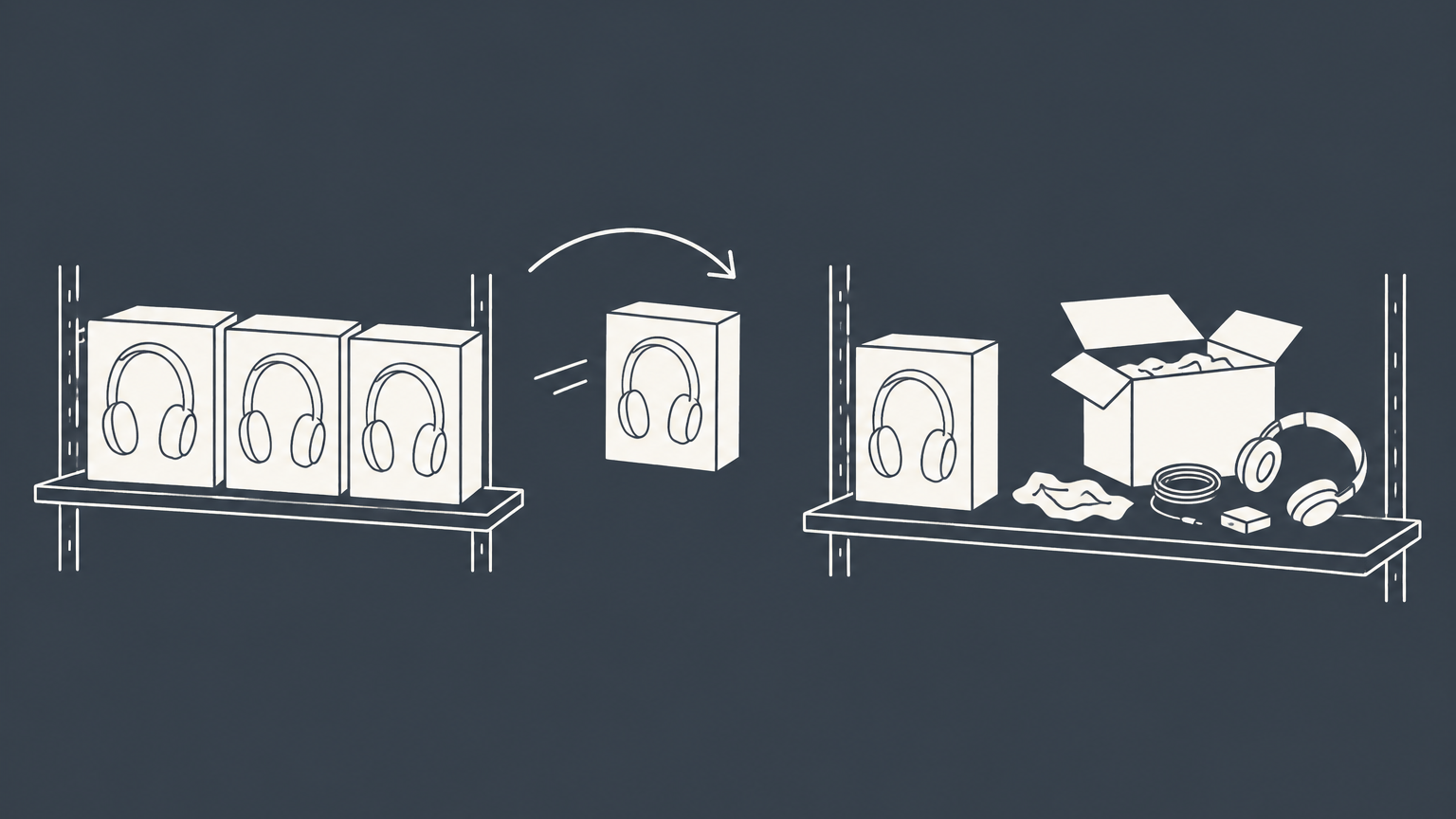
Key Takeaways
- You generally may resell an authentic, lawfully acquired trademarked product without the brand owner's permission.
- The rule does not authorize you to manufacture copies, use counterfeit marks, or sell replicas as genuine products.
- Material differences, missing warranties, altered packaging, and bypassed quality controls can create trademark risk.
- Your listings must not imply that you are an authorized dealer or affiliated with the brand when you are not.
- Copyright first sale rules apply to particular lawfully made copies, while digital transfers and software licenses require separate analysis.
- Patent exhaustion and imported gray-market goods involve related but distinct legal rules.
How the First Sale Doctrine Trademark Rule Works
The trademark first sale doctrine is a practical limit on a brand owner's ability to control genuine goods after an authorized sale. If you purchase an authentic branded watch, appliance, or other physical product, you can generally resell that particular item without obtaining the trademark owner's consent. The doctrine of first sale supports ordinary secondhand sales, online resale, gifts, and other transfers of genuine products.
Trademark law focuses on identifying the source of goods and preventing consumer confusion. It does not ordinarily give a trademark owner permanent control over every authentic product bearing its mark. A reseller therefore does not automatically infringe a trademark merely because the brand did not authorize that reseller.
This protection has clear boundaries. It concerns the disposition of genuine, lawfully acquired goods. It does not give you permission to reproduce the product, apply the trademark to goods made by someone else, or create replicas. It also does not grant a license to advertise yourself as an official dealer, service center, or brand partner.
The facts surrounding the sale matter. Courts may examine the item's authenticity, condition, packaging, warranty coverage, quality controls, and presentation to buyers. If you are unsure which intellectual property right governs a product feature, compare trademark and copyright protections before relying on first sale rights.
When First Sale Protection May Not Apply
The first-sale doctrine is not an automatic defense to every resale claim. A seller faces greater risk when the product reaching the consumer is not the same genuine product that the trademark owner placed into commerce, or when the seller's conduct gives buyers a misleading impression.
Materially Different Goods
A difference can be material when it would matter to a buyer's decision, even if the underlying product remains authentic. Examples may include a missing manufacturer warranty, different instructions, incomplete accessories, changed packaging, or a modification affecting performance or presentation. Nonphysical differences can matter too. A genuine product without services or protections normally associated with the branded product may create a different consumer experience.
Repackaged or Modified Products
Opening, dividing, relabeling, repairing, refurbishing, or repackaging goods can complicate a first sale defense. The risk rises if the changes affect the product or if the packaging fails to explain who performed them. A seller should accurately disclose the condition and avoid suggesting that the brand approved the alteration.
Quality-Control Problems
A trademark owner may rely on legitimate quality controls governing storage, handling, shipping, inspection, or other product conditions. Resellers who bypass those controls may face claims that their goods are materially different or no longer meet the standards represented by the mark.
Consumer Confusion
Even genuine goods can be marketed unlawfully. Store names, product listings, logos, and claims such as "authorized" or "factory approved" can imply a relationship that does not exist. Understanding the differences among trademarks, copyrights, patents, and licenses can help you identify which rights affect your resale plan.
Reseller Checklist for Genuine Branded Goods
Before listing a branded product, review the transaction from the buyer's perspective. The following checklist helps identify facts that can affect a first sale doctrine defense:
- Confirm authenticity. Verify that the product is genuine and not a replica, counterfeit, or unauthorized reproduction.
- Document lawful acquisition. Keep invoices, receipts, supplier records, and communications showing where and how you obtained the goods.
- Inspect the condition. Determine whether the item has been opened, repaired, refurbished, combined with another product, or otherwise changed.
- Compare packaging and contents. Check for missing labels, instructions, accessories, safety information, or other components normally supplied with the product.
- Verify warranty terms. Do not promise a manufacturer's warranty unless it actually applies to the resale and the particular buyer.
- Review quality controls. Consider storage, temperature, expiration, handling, inspection, and shipping requirements that may affect quality.
- Describe the item accurately. Disclose modifications, missing parts, repackaging, prior use, and other facts a reasonable buyer would consider.
- Avoid false affiliation. Do not present your business as an authorized reseller or use branding in a way that implies sponsorship.
Marketplace approval does not by itself decide whether a sale is lawful. Platform policies, supplier agreements, intellectual property rights, and consumer-protection rules may impose separate requirements. You can also review how to check whether material is copyrighted or trademarked before creating listings or packaging.
Are Not for Resale Labels and Contract Restrictions Binding?
A label stating "not for resale" does not, by itself, answer whether a resale is illegal. You should determine whether the transaction was a sale, a license, a promotional distribution, or a transfer governed by a contract. The rights and remedies may depend on the agreement, the parties bound by it, and applicable law.
For example, a supplier agreement may restrict an authorized distributor from selling outside an approved channel. That restriction could create a contract dispute between the parties even when trademark law does not independently prohibit every downstream resale. A later purchaser who never agreed to the contract may present a different question. License terms are particularly significant for software and digital products because the user may have received limited usage rights rather than ownership of a copy.
You also need a fact-specific review when incorporating branded goods into a new product. Cutting printed fabric to make another item, dividing a packaged product, or combining a branded component with your own goods can change the product's condition and presentation. Clearly identifying the original component does not automatically resolve questions about alteration, sponsorship, or consumer confusion.
If you receive a cease-and-desist letter or plan to sell repackaged, modified, imported, or warranty-altered goods, you can post your legal need on UpCounsel's marketplace. A trademark attorney can review acquisition records, licenses, product differences, quality controls, listings, and affiliation claims, then assess your risk or prepare a response. Responses typically arrive within a day.
First Sale Doctrine Copyright and Digital Media Rules
The first sale doctrine in copyright law is related to, but distinct from, trademark resale principles. Section 109(a) of the Copyright Act allows the owner of a particular copy that was lawfully made under the statute to sell or otherwise dispose of possession of that copy without the copyright owner's permission. This rule supports the resale or lending of physical books, discs, and other qualifying copies.
Copyright first sale does not transfer ownership of the underlying work. Buying a book gives you ownership of that copy, not the right to print more books. Similarly, purchasing artwork or software does not automatically authorize reproduction, adaptation, public display, or other conduct controlled by copyright law. The statutory rule also applies to owners of qualifying copies, not necessarily people who merely possess rented or licensed property.
The first sale doctrine's application to digital media is more limited. Transferring a downloaded file may require creating a new copy rather than handing over the same physical copy. E-books, downloaded music, and software are also frequently distributed under license terms. The transaction's substance and the governing agreement help determine whether the user owns a copy or holds limited contractual rights.
Do not assume that deleting your original file automatically makes a digital transfer lawful. A resale system may still implicate the copyright owner's reproduction or distribution rights. For a broader explanation of how these protections differ, see patents, trademarks, copyrights, and trade secrets.
Copyright, Trademark, and Patent First Sale Rules Compared
The phrase "first sale doctrine" can describe related limits across several forms of intellectual property, but the legal questions are not identical. Start by identifying which right the owner is asserting and what you plan to do with the product.
| Area | Basic Principle | Common Resale Issue |
|---|---|---|
| Trademark | Genuine, lawfully acquired goods generally may be resold without the trademark owner's approval. | Material differences, quality-control failures, repackaging, and misleading affiliation claims can remove protection. |
| Copyright | The owner of a qualifying lawfully made copy may generally dispose of that particular copy. | The rule does not authorize reproduction, and licensed or digitally transferred works can present ownership and copying issues. |
| Patent | An authorized sale can exhaust patent rights in the particular item sold. | Questions may arise about whether the sale was authorized or whether the seller made a new patented product rather than repairing an existing one. |
Patent exhaustion is sometimes called the first sale doctrine patent rule, but patent-specific disputes require their own analysis. The limits of repair, reconstruction, licensing, and authorized sales do not track trademark law exactly. See patent exhaustion and the first sale doctrine for a focused explanation.
More than one type of protection can cover the same product. A logo may function as a trademark, packaging artwork may receive copyright protection, and an invention inside the product may be patented. Reselling the physical item does not necessarily authorize separate uses of those protected elements outside the resale.
Imported Goods, Gray-Market Sales, and First Sale Rights
Imported genuine goods require a separate review. In copyright law, the U.S. Supreme Court has held that Section 109(a) can apply to copies lawfully made abroad with the copyright owner's authorization. A qualifying copy does not lose copyright first sale protection merely because it was manufactured outside the United States.
Trademark analysis can produce a different result. Gray-market goods are authentic branded products imported through channels that the trademark owner did not authorize for the domestic market. A reseller may face trademark claims when the imported version is materially different from the version authorized for sale in the United States. Differences can involve formulation, labeling, instructions, warranty coverage, packaging, service, or other features relevant to consumers.
Importation can also raise customs, regulatory, contractual, and marketplace issues beyond the first sale doctrine. A product that is authentic in another country may not satisfy domestic labeling or distribution requirements. Sellers should compare the imported item with the domestic version and retain records establishing authenticity and lawful acquisition.
Brand owners confronting gray-market sellers should document actual product differences and consistently enforced quality controls. Resellers should not rely solely on the fact that an item is genuine. The central question is how the product offered to domestic consumers compares with the authorized product and how the listing communicates those differences.
Frequently Asked Questions
Is It Illegal to Resell an Item?
No, reselling an item is not automatically illegal. Your risk depends on whether the item is authentic, how you obtained it, any applicable agreement, and how you advertise it. Keep purchase records and review marketplace rules because a platform may restrict a listing even when the sale does not constitute trademark infringement.
How Do I Resell Branded Products Legally?
Start with a reliable supplier and maintain records tracing each item to its source. Use original photographs or properly authorized content, state the item's actual condition, and distinguish your own return policy from any manufacturer warranty. If your business depends on recurring inventory, have counsel review supplier terms before scaling sales.
Is a Not for Resale Label Legally Binding?
A "not for resale" label is not necessarily binding on every person who later possesses the item. Its effect may depend on an underlying contract, license, promotional program, or law governing the product. Review how the item was distributed and identify any agreement you accepted rather than treating the printed phrase as conclusive.
Can I Resell Something Incorporated Into a New Product?
You may be able to, but incorporation creates issues beyond an ordinary resale. Consider whether your work transforms, damages, or separates the branded material and whether buyers could think the original brand produced the finished item. Descriptive statements should be accurate and limited to what consumers need to identify the component.
Can You Sell Replicas?
You cannot lawfully rely on first sale protection to sell a replica as a genuine branded product. The doctrine protects transfers of authentic goods, not newly manufactured copies. Calling an item a "replica" or adding a disclaimer may not cure unauthorized use of a trademark, counterfeit labeling, or infringement of protected designs and artwork.
What Must Be Proven in a Trademark Infringement Lawsuit?
The required elements depend on the claim and jurisdiction, so there is no universal four-part test for every lawsuit. A federal infringement claim generally focuses on the plaintiff's enforceable trademark rights, the defendant's unauthorized use of a mark in commerce, and whether that use is likely to confuse consumers about source, sponsorship, or affiliation.


