Deposition examples can help you understand how witnesses answer questions under oath, how lawyers develop a record, and how a deposition by written questions differs from live examination.
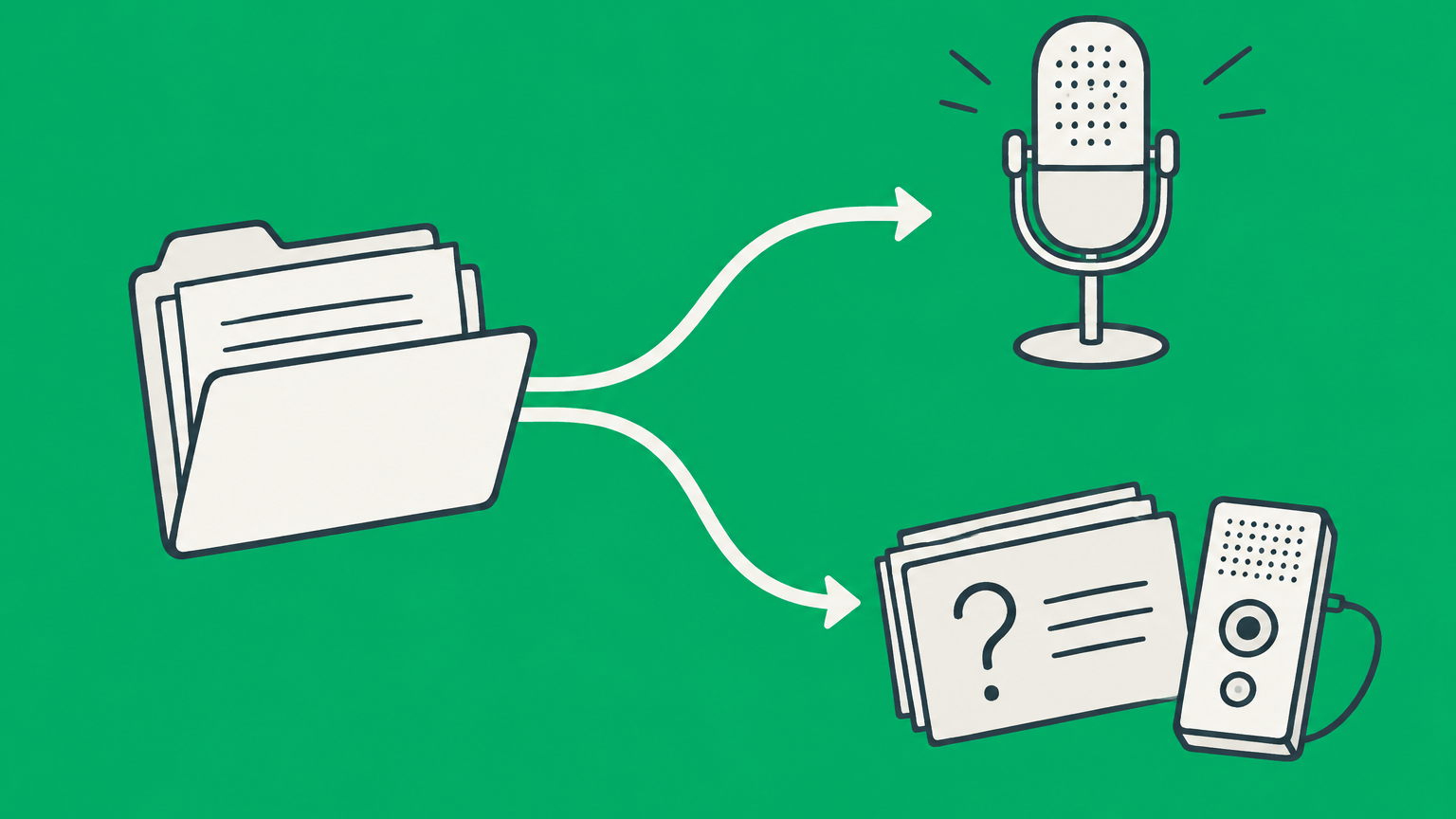
Key Takeaways
- An oral deposition allows live questions, immediate follow-up, and cross-examination before an authorized officer.
- DWQ means deposition by written questions or deposition on written questions in a legal context.
- A DWQ does not ordinarily mean that a witness privately writes answers and returns them without supervision. An authorized officer administers the oath and records the testimony.
- Written questions can work well for authenticating business, medical, accounting, and employment records.
- Notice, service, administration, and response requirements depend on the court and jurisdiction.
- A deposition supports discovery, case evaluation, settlement discussions, and preservation of testimony. It does not necessarily mean the case will go to trial.
Deposition Examples: Oral and Written Testimony
A deposition is sworn testimony taken outside the courtroom as part of discovery. The witness, called the deponent, answers questions under oath. An authorized officer, often a court reporter, records the testimony and may prepare a transcript.
Example of an Oral Deposition
Assume a supplier claims that a small business failed to pay for delivered equipment. A portion of the business owner's oral deposition might look like this:
- Question: What position did you hold when the purchase agreement was signed?
- Answer: I was the company's managing member.
- Question: Did you review the agreement before signing it?
- Answer: Yes.
- Question: What equipment did the supplier deliver?
- Answer: Three refrigeration units.
- Question: When did you first report a problem with the units?
- Answer: I emailed the supplier two days after installation.
- Question: Do you recognize the email marked as Exhibit 4?
- Answer: Yes. That is the email I sent.
The lawyer can immediately ask about the email, delivery dates, alleged defects, or payment history. In a contract dispute, a structured breach of contract deposition outline can help organize questions by formation, performance, breach, damages, and supporting documents.
Example of a Deposition by Written Questions
Suppose a party wants testimony from a company's records custodian. The written questions delivered through the required procedure might include:
- State your name, title, and responsibilities for maintaining the company's records.
- Are the attached invoices kept as part of the company's regularly conducted activities?
- Were the invoices created at or near the time of the transactions they describe?
- Are the attached records complete copies of the records in your custody?
- Describe any alteration, correction, or deletion reflected in the records.
An illustrative recorded answer might state: Answer: I am the accounting manager and records custodian. The attached invoices are maintained in our accounting system as part of our regular operations. This example shows the question-and-answer format, but it is not a universal form. The applicable rules determine how the questions are served, administered, answered, and certified.
What DWQ Means in Legal Proceedings
In legal usage, DWQ commonly means deposition by written questions or deposition on written questions. The acronym may have unrelated meanings in other settings, so context matters. In litigation, DWQs are a discovery method for obtaining sworn testimony through questions prepared in advance.
Under Federal Rule of Civil Procedure 31, a party may depose a person through written questions, subject to the rule's requirements and circumstances requiring the court's permission. The parties serve direct questions and may then serve cross-questions, redirect questions, and recross-questions. The complete set goes to the designated officer, who takes the witness's testimony in response.
This procedure differs from sending a questionnaire to someone. The witness does not ordinarily receive the questions, write unsupervised answers at home, and return them directly to a lawyer. The designated officer administers the oath and handles the testimony under the governing deposition rules. This protects the integrity of the record.
A DWQ also differs from interrogatories. Interrogatories are written discovery requests served on another party, and that party provides written answers or objections. A DWQ can be directed to a nonparty witness, such as a records custodian, and produces deposition testimony through an authorized officer. The exact options available depend on the rules governing your case.
Oral Deposition Versus DWQ
The best method depends on the information you need. Oral examination works better when an answer may open a new line of inquiry. A DWQ may be more efficient when the facts are narrow, predictable, and primarily related to records.
| Feature | Oral Deposition | Deposition by Written Questions |
|---|---|---|
| How questions are asked | A lawyer asks questions live, in person or through an approved remote process. | The parties prepare and serve questions before the testimony is taken. |
| Follow-up questions | The examining lawyer can respond immediately to an incomplete or unexpected answer. | Follow-up is limited to the advance sequence of direct, cross, redirect, and recross questions allowed by the applicable rules. |
| Opposing examination | Opposing counsel can conduct live cross-examination. | Other parties may serve written cross-questions. |
| Testimony record | An authorized officer records the sworn answers, usually in a transcript. Video may also be used when permitted. | An authorized officer takes and records the sworn testimony in response to the written questions. |
| Useful applications | Disputed events, credibility questions, expert opinions, damages, and issues requiring detailed follow-up. | Record authentication, chain-of-custody facts, account information, employment history, and other limited inquiries. |
An oral deposition may require more scheduling and participation, but it gives counsel flexibility. A DWQ can narrow the examination and reduce the need for multiple people to attend a live question-and-answer session. That efficiency can disappear if the subject is disputed or the initial answers create issues that the written questions did not anticipate.
The rules for oral depositions also vary by court. For example, the D.C. Courts publish an official Rule 30 resource for oral examinations. Always use the rules and orders that govern the specific proceeding rather than treating an example as a filing template.
How the Written Deposition Process Works
A written deposition generally follows a defined sequence. The precise documents, timing, method of service, and officer qualifications depend on federal, state, or local rules.
- Select the witness and scope. Identify the person with the required knowledge. For records, that person may be described as the custodian of records if the governing rules permit that designation.
- Choose a qualified officer. Under federal practice, the deposition must be taken before an officer authorized under the applicable rules or a person appointed by the court. State rules may define eligible officers differently.
- Prepare and serve the notice and direct questions. Federal Rule 31 requires the notice to identify the deponent and the officer before whom the deposition will be taken. Additional requirements may apply.
- Allow written cross-questions. Other parties may serve questions designed to clarify, test, or challenge the initial inquiry.
- Complete redirect and recross questions. The noticing party may respond to cross-questions, followed by recross when permitted.
- Deliver all questions to the officer. The officer takes the deponent's sworn testimony in response to the questions and prepares, certifies, and delivers the deposition as required.
- Review and use the record. The parties evaluate the testimony for discovery, motions, settlement, or possible use in court under the applicable evidence and procedure rules.
Federal Rule 31 provides specific periods for cross, redirect, and recross questions, and it allows the court to alter those periods. State and local procedures may use different timing or additional forms. Confirm the current official rules, scheduling order, service method, subpoena requirements, and document-production procedure before acting.
If you must choose between an oral deposition and a DWQ, draft or answer questions, or comply with local notice rules, you can post your legal need on UpCounsel's marketplace. A lawyer can identify the governing rules, prepare the notice and questions, develop cross-questions, and confirm that the oath, administration, and recording process is proper. Responses typically arrive within a day.
Common Uses and Written Deposition Questions
DWQs are most useful when the witness has focused information and the expected answers do not require extensive live follow-up. Records custodians are common deponents because they can explain how an organization creates, stores, retrieves, and protects its records.
Business and Accounting Records
- What is your role in maintaining the company's invoices and payment records?
- Does the attached account statement accurately reflect the transactions recorded for this customer?
- When and by whom were the entries created?
- Were any credits, reversals, or corrections made to the account?
- What system controls access to these records?
Disputes about invoices or performance may also turn on the agreement itself. Reviewing the elements of a legally binding contract can help you separate questions about contract formation from questions about the records documenting performance.
Medical Reports
- Are you responsible for maintaining the patient's records?
- Do the produced records include the requested treatment period?
- Who created the report identified in the request?
- Does the file show when the report was entered or received?
- Are any responsive records missing from the production?
Employment History
- What position did the employee hold during the relevant period?
- What dates of employment appear in the personnel records?
- Who maintained the time, attendance, and payroll records?
- Do the records identify changes in duties, pay, or reporting relationships?
- Are the attached policies the versions maintained for that period?
Questions should seek facts the witness can establish. Avoid asking a records custodian to give legal conclusions, speculate about another person's motives, or decide whether evidence is admissible. For employment disputes involving reported conduct, separate record-authentication questions from the underlying issues addressed in resources about types of workplace harassment.
How to Prepare Questions and Answers
Start with the issue you need the testimony to prove or clarify. Then identify the witness's personal knowledge and the documents connected to that knowledge. Organize questions in a logical order so the resulting transcript is understandable without additional explanation.
For an oral deposition, begin with identity, background, responsibilities, and familiarity with the events or records. Move next to dates, communications, decisions, and documents. Reserve broader questions for subjects where the answer may require follow-up. A lawyer may also use exhibits to establish what the witness recognizes and how the document relates to the dispute.
For a DWQ, each question must stand on its own because the examining lawyer cannot improvise after hearing the answer. Define ambiguous terms. Refer to documents by consistent exhibit names or identifying details. Ask one factual point at a time. Include questions that establish the witness's position, knowledge, recordkeeping responsibilities, and basis for each substantive answer.
If you are the deponent, listen to or read each question carefully. Tell the truth, ask for clarification through the permitted procedure if a question is unclear, and do not guess. Answers such as "I do not know" or "I do not remember" may be accurate when they are truthful. Do not volunteer unsupported conclusions merely to fill silence or make an answer sound more complete.
Review notices, subpoenas, document requests, and exhibits with your attorney before testifying. Do not destroy, alter, or conceal potentially relevant information. Also avoid assuming that every discussion, note, or document is protected from disclosure. Questions about privilege, confidentiality, trade secrets, or self-incrimination require case-specific legal advice.
Legal Depositions and Other Meanings of Deposition
In law, deposition refers to sworn testimony obtained before trial or another court proceeding. Legal deposition examples therefore focus on witnesses, questions, answers, exhibits, objections, officers, and transcripts. The term has different meanings in geography, chemistry, and other sciences.
Scientific deposition does not involve testimony. It generally describes material being laid down, accumulated, or transferred onto a surface. The exact meaning depends on the field. Likewise, an online reference to DWQ may use the acronym for something unrelated to litigation. Look for legal signals such as a lawsuit caption, court rule, subpoena, notice, deponent, records custodian, or written cross-questions.
A legal deposition serves several possible purposes. It can uncover facts, preserve testimony, identify weaknesses, prepare lawyers for later testimony, or support settlement discussions. A transcript may also help address inconsistencies if a witness later gives different testimony. The rules of evidence and civil procedure determine how deposition testimony may be used in court.
Receiving a deposition notice therefore does not establish that a trial will occur. Many disputes settle or end through other procedures. Still, a notice or subpoena should not be ignored. Review it promptly so you can identify the court, response requirements, requested documents, scheduled method, and any issue requiring an objection, protective order, or scheduling request.
Frequently Asked Questions
What Is a DWQ in Legal Terms?
A DWQ is a deposition by written questions or deposition on written questions. The acronym identifies a formal discovery procedure, not merely an informal written interview. Because abbreviations can vary, confirm the meaning from the notice, court caption, cited procedural rule, and surrounding documents before responding.
What Is a Deposition by Written Questions?
A deposition by written questions is sworn testimony elicited through questions prepared before the examination. It can provide a structured record when the subject is narrow or the witness has a defined role. Unlike a live interview, the parties must anticipate needed questions and challenges before the authorized officer takes the testimony.
What Does a Deposition Look Like?
A deposition usually looks like a formal question-and-answer session rather than a courtroom trial. The deponent takes an oath, counsel identifies participants and exhibits, and an officer records each question and answer. In a written-question procedure, the officer follows the assembled questions instead of lawyers examining the witness live.
How Do You Write Deposition Questions?
You write deposition questions by connecting each question to a disputed fact, document, or source of personal knowledge. Use clear language, avoid combining several issues in one question, and arrange topics chronologically or by subject. Written questions need extra precision because you may have no immediate opportunity to correct an ambiguous answer.
Does a Deposition Mean Going to Trial?
No, a deposition does not mean the case will necessarily go to trial. The testimony may help the parties assess claims, evaluate credibility, calculate risk, or negotiate a resolution. It may also narrow the issues enough to support a motion or settlement, although the parties should still prepare as required by the case schedule.
What Are Examples of Deposition in Geography and Science?
Examples include sediment settling in a river delta in geography and material accumulating on a surface in scientific or industrial processes. These meanings concern the placement or buildup of matter, not sworn testimony. The words witness, deponent, subpoena, cross-question, court reporter, or transcript usually signal the legal meaning.


