When is a contract invalid? A contract may lack legal effect from the start, give one party a right to cancel, or remain valid while a court declines to enforce it.
Key Takeaways
- Void, voidable, and unenforceable contracts have different legal consequences.
- Contract validity generally depends on mutual agreement, exchanged value, capacity, lawful purpose, genuine consent, sufficiently definite terms, and required formalities.
- Fraud, coercion, incapacity, illegality, mistake, or missing consideration may affect an agreement in different ways.
- A breach usually concerns failure to perform, not whether the contract was validly formed.
- Oral agreements, text messages, and unsigned documents can sometimes create obligations, depending on the facts and applicable law.
- Preserve drafts, messages, payment records, and other evidence before disputing a signed agreement.
When Is a Contract Invalid Under Contract Law?
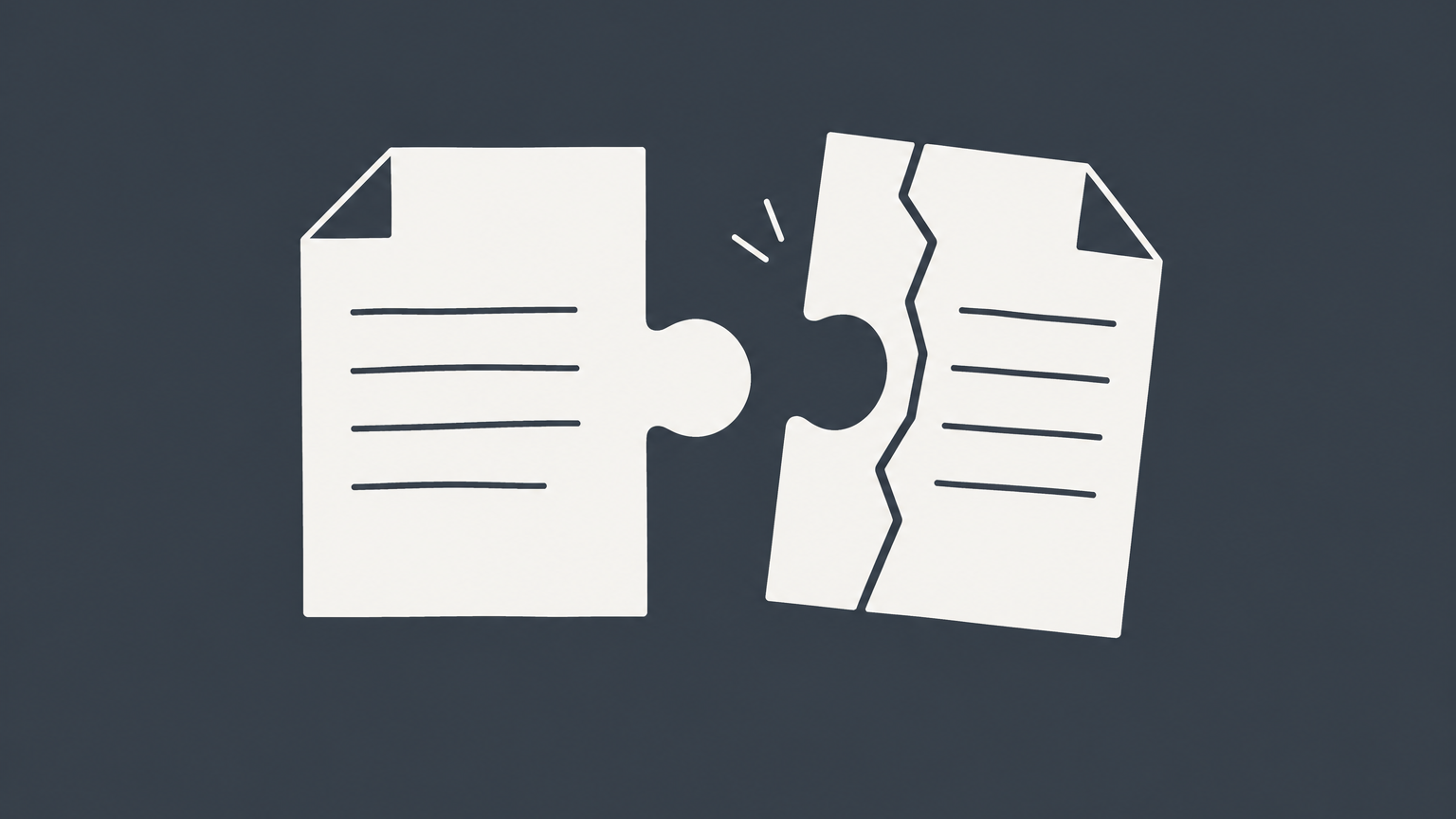
In everyday speech, an invalid contract is an agreement that cannot be enforced as written. In contract law, however, the correct classification matters. A contract may be void, voidable, or unenforceable. Courts may also enforce the agreement while refusing to enforce a particular clause.
| Classification | Legal Effect | Who May Challenge It | Why It Matters |
|---|---|---|---|
| Valid | The agreement creates enforceable obligations. | A party may still dispute interpretation, performance, or breach. | Failure to perform may lead to contractual remedies. |
| Void | The agreement has no legal effect from the outset. | Either party may argue that no enforceable contract exists. | Ratification generally cannot cure an agreement whose purpose is illegal. |
| Voidable | The contract operates unless the protected party elects to avoid it. | Usually the party affected by fraud, duress, incapacity, or another recognized defect. | Delay or conduct affirming the deal may affect available remedies. |
| Unenforceable | A valid agreement exists, but a legal rule prevents some or all judicial enforcement. | The party opposing enforcement raises the applicable defense. | The problem may involve form, timing, proof, or an objectionable term rather than formation. |
The invalid meaning in law therefore depends on the defect and the remedy requested. For example, a court might rescind a voidable contract, decline to enforce an oral agreement that required a writing, or sever an unlawful clause while preserving the rest. See the related explanation of what makes a contract unenforceable for more detail on that distinction.
Agreement Validity: What Makes a Contract Legally Binding?
Some summaries identify three requirements for a contract, while others list four or more. The difference usually reflects how related concepts are grouped. A practical agreement validity review should address all of the following:
- Offer and acceptance: One party proposes sufficiently clear terms, and the other accepts them. A response that materially changes the proposal may be a counteroffer rather than acceptance.
- Consideration: Each side exchanges something of legal value, such as money, services, property, a promise, or an agreement to refrain from an action.
- Capacity: The parties must have the legal ability to contract. Age, mental capacity, intoxication, and authority to act for a company may become relevant.
- Lawful purpose: Courts generally will not enforce a bargain that requires illegal conduct or conflicts with public policy.
- Genuine consent: Fraud, material misrepresentation, coercion, or undue influence may prevent consent from being legally effective.
- Definite terms: A court must be able to identify the parties' material obligations and determine when a breach occurred.
- Required formality: Certain agreements must be written, signed, witnessed, notarized, approved, or recorded under the law governing that transaction.
The statement that all agreements are contracts if made by free consent of competent parties for lawful consideration and a lawful object is not a universal citation to United States contract law. Rules and terminology vary by jurisdiction. The simpler principle is that all contracts are agreements, but not all agreements are contracts. For example, a casual promise to meet a friend for lunch is an agreement, but it normally lacks the exchange and intent associated with an enforceable bargain. A fuller review of contract validity and enforceable terms can help you evaluate the complete document.
What Can Cause the Invalidity of a Contract?
No single list of six defects automatically decides every case. The effect of a problem depends on its seriousness, the governing law, and whether it affected formation, consent, legality, or enforcement.
- Illegality: An agreement requiring unlawful conduct may be void. A lawful contract may instead contain one unlawful term that a court can sever.
- Fraud or misrepresentation: A material false statement or concealment that induced assent may make the agreement voidable and support rescission or other remedies.
- Duress or coercion: Wrongful pressure that overcomes a party's free will may make the contract voidable. Hard bargaining by itself is not necessarily duress.
- Undue influence: Improper persuasion by someone in a position of trust or dominance may undermine genuine consent.
- Incapacity: A party's age, mental condition, or intoxication may affect enforceability. The outcome depends on the type and degree of incapacity and applicable law.
- Mistake: A shared mistake about a basic assumption may support avoidance. A unilateral mistake is usually harder to establish, particularly when the other party neither knew nor caused it.
- Lack of consideration: A purely gratuitous promise may not form an enforceable bargain, although other doctrines and formal instruments can produce different results.
- Unconscionability: Extremely unfair terms combined with an unfair contracting process may cause a court to refuse enforcement of a term or agreement.
- Public policy: A clause may be unenforceable if it improperly restricts protected rights or conflicts with a recognized public interest.
These issues do not all destroy legal validity in the same way. Fraud usually gives the deceived party a choice, while illegality may prevent either party from enforcing the bargain. For public-policy examples, review agreements that may conflict with public policy.
Contract Myths About Signatures, Money, and Document Format
Several contract myths cause parties to overlook real obligations. A handwritten signature is not the only possible evidence of assent. Conduct, electronic acceptance, text messages, or oral statements can sometimes establish an agreement. The result depends on the transaction, the parties' communications, and any law requiring a signed writing.
Money is also not the only form of consideration. Services, access to property, reciprocal promises, transferred rights, or an agreement not to take a lawful action may supply exchanged value. A lease that does not involve a cash payment is not automatically invalid, but its terms and consideration require a fact-specific review.
Printing a legal document on both sides of each sheet generally does not determine validity. The more important issues are whether the complete terms are readable, the parties assented to the same document, and transaction-specific execution requirements were satisfied. Page numbering and initialing changes can reduce later disputes, but they do not replace required consent or formalities.
Another myth is that every contract must be notarized. Many ordinary business contracts do not require notarization. Certain documents or transactions may have special acknowledgment, witnessing, filing, or recording rules, so you should check current state instructions before signing.
Automated contract review tools can identify missing clauses or unusual language, but they may miss legal risks tied to surrounding conversations, bargaining pressure, capacity, authority, or state-specific rules. The validity analysis often extends beyond the document itself. Questions about spoken terms are covered further in this discussion of the validity of oral contracts.
Checklist for Reviewing a Contract Before You Sign
You can perform an initial issue-spotting review without assuming that every drafting flaw invalidates the agreement. Read the entire contract, including exhibits, referenced policies, schedules, and incorporated online terms. Then check the following:
- Parties: Confirm legal names, business entities, addresses, and each signer's authority.
- Offer and acceptance: Verify that everyone is signing the same final version and that unresolved proposals are not presented as agreed terms.
- Exchange: Identify what each party must give, do, or promise.
- Consent: Ask whether material facts were disclosed and whether anyone used threats, deception, or improper pressure.
- Purpose: Confirm that the required performance and each major restriction are lawful.
- Terms: Check scope, price, payment, timing, deliverables, renewal, termination, ownership, confidentiality, and dispute procedures.
- Formalities: Determine whether the agreement must be written, signed, witnessed, notarized, approved, filed, or recorded.
- Communications: Compare the document with material promises made in emails, texts, proposals, or negotiations.
- Risk allocation: Review indemnity, warranty, liability limits, remedies, insurance, and attorney fee provisions.
Do not rely only on a clause saying the contract is valid or contains the entire agreement. Such language may affect interpretation, but it cannot necessarily cure illegality, incapacity, coercion, or another fundamental defect. Also confirm the governing-law and forum clauses because they can determine which state's rules apply.
What to Do If You Think a Signed Contract Is Invalid
Do not assume that you can ignore the agreement or destroy the document. Stopping performance without a sound legal basis may expose you to a breach claim even if you believe the contract has a defect. First, identify whether your concern relates to formation, consent, legality, enforceability, interpretation, or the other party's later conduct.
Preserve the signed agreement, every draft, attachments, emails, text messages, advertisements, payment records, invoices, notes, and communications concerning representations or pressure. Keep original electronic files when possible. Evidence collection does not decide contract validity, but it can show what the parties knew, promised, and intended.
Next, review any notice, cure, cancellation, termination, mediation, arbitration, and forum provisions. Avoid altering records or making admissions before understanding their effect. Possible responses may include negotiating an amendment or release, demanding performance, invoking a contractual termination right, seeking rescission, asserting a defense, or asking a court to determine the parties' rights. The appropriate option depends on the defect and available remedies.
If a signed agreement involves significant money, continuing duties, alleged fraud or coercion, uncertain capacity, or threatened enforcement, an attorney can review the contract and surrounding evidence, apply the relevant state law, classify the validity issue, and advise on rescission, negotiation, or defenses. You can post your legal need on UpCounsel's marketplace, where responses typically arrive within a day.
A later breach does not automatically invalidate the underlying contract. Breach concerns a failure to perform an existing duty. Depending on the terms and severity, the nonbreaching party may seek damages, specific performance where available, termination, or another remedy. The contract can remain valid throughout that dispute.
State Law, California Breach Claims, and Enforcement Defenses
Contract law varies by state, and specialized rules may apply to employment, consumer, real estate, construction, insurance, lending, and government agreements. Choice-of-law and forum clauses can also influence which rules and court apply. You should therefore avoid treating a general list of defects as a final legal conclusion.
In a breach of contract California dispute, invalidity and unenforceability may appear as defenses rather than separate claims. A defendant might dispute mutual assent, consideration, capacity, legality, required formalities, or genuine consent. Other defenses may focus on performance, waiver, modification, expiration, or the time allowed to sue. This overview of California breach of contract defenses explains additional issues that may arise.
Timing can matter even when a party has a plausible right to rescind or avoid an agreement. Continued acceptance of benefits, delayed objections, or conduct confirming the arrangement may complicate the requested remedy. Conversely, declaring a contract invalid without following required notice procedures can create new disputes. Before taking action, identify the governing jurisdiction, transaction type, requested remedy, and procedural requirements.
Frequently Asked Questions
How Do You Make a Contract Legal?
You make a contract legally enforceable by using lawful terms, obtaining genuine agreement from capable parties, documenting the exchanged value, and following transaction-specific formalities. Define obligations and remedies clearly, identify the parties correctly, and verify signing authority. Because requirements vary, check the law governing the agreement rather than relying on a generic template.
Is a Lease Valid If No Money Is Exchanged?
A lease may be valid without a cash payment if another legally sufficient exchange of value supports it. The arrangement might involve services, property maintenance, reciprocal promises, or another benefit or detriment. However, calling a document a lease does not establish consideration, and property laws may impose additional requirements that require review of the actual terms.
Can Legal Documents Be Printed Double-Sided?
Legal documents can generally be printed double-sided unless a court, agency, recording office, contract, or transaction-specific rule requires a different format. Double-sided printing does not itself establish or defeat agreement validity. Keep the document complete and readable, number its pages, and check current submission or recording instructions before using it for an official filing.
Can You Void a Contract After Signing It?
You can avoid a signed contract only when the agreement, applicable law, or the other party provides a recognized basis to do so. Possible grounds include an express cancellation right, fraud, duress, incapacity, material mistake, or illegality. Simply changing your mind is usually insufficient, and unilateral cancellation may itself constitute breach.
How Do You Make a Written Agreement Legally Binding?
You make a written agreement binding by recording definite lawful terms, the parties' assent, and the value exchanged, then completing any required signatures or other formalities. Include effective dates and identify each signer's capacity. A signature helps prove assent, but a signed document can still face challenges based on authority, consent, legality, or missing essential terms.
Is a Text Message Legally Binding?
A text message can be legally binding when it shows sufficiently definite terms and an intent to agree, and no rule requires a different form. Courts may consider the full message thread, surrounding conduct, and electronic signature rules. Informal language, unresolved conditions, or an agreement requiring a signed writing can produce a different result.
What Are the Three Requirements for a Valid Contract?
The three requirements are often summarized as agreement, consideration, and legal capacity or purpose, but that shorthand can omit critical issues. A reliable analysis also examines genuine consent, sufficiently definite terms, legality, and required formalities. The number depends on how a source groups related doctrines, not on a universal three-part rule for every contract.


