Video surveillance laws by state distinguish ordinary video from audio recording and place stricter limits on cameras aimed at bedrooms, bathrooms, changing areas, and other private locations.
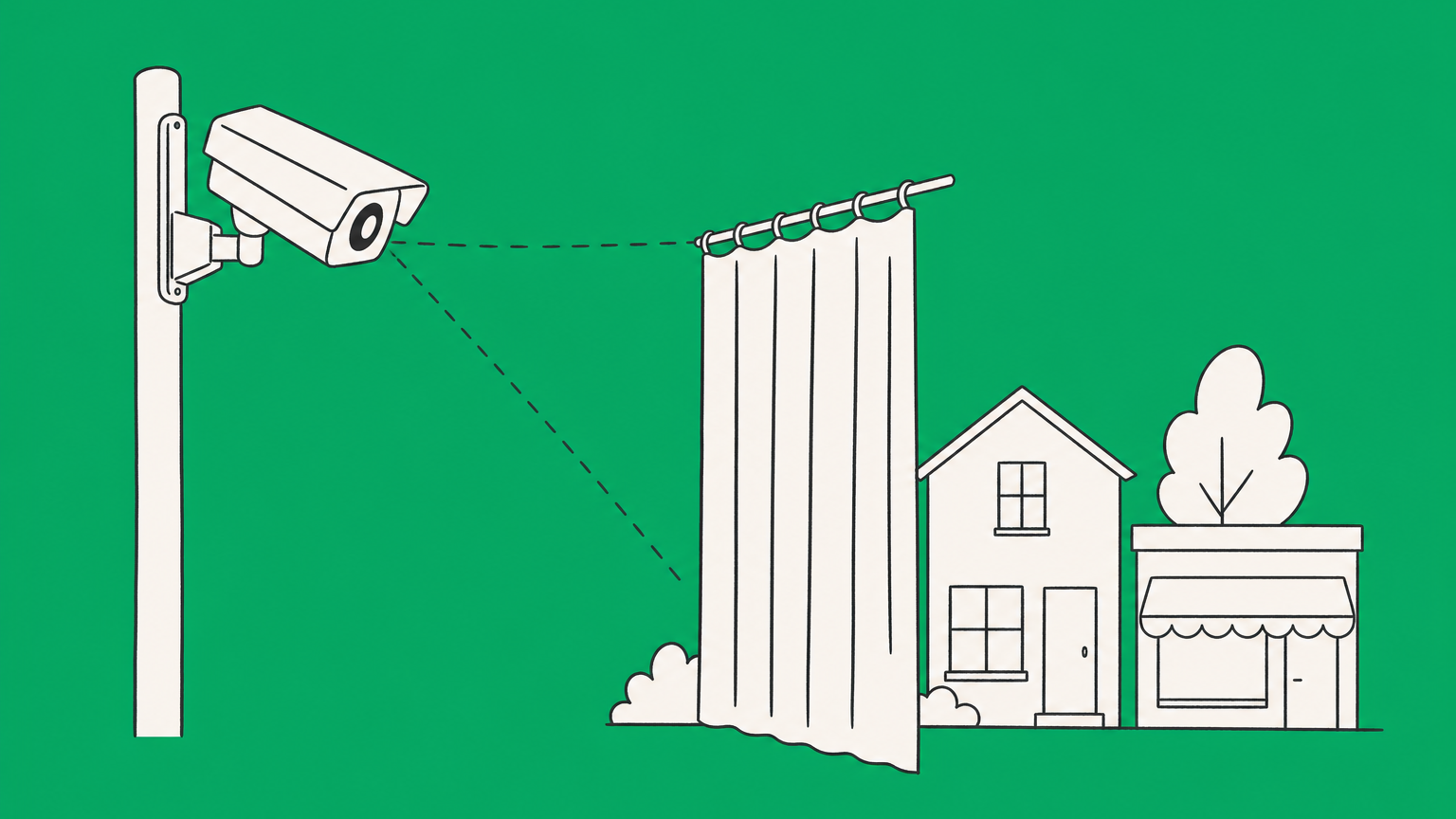
Key Takeaways
- Video-only recording is generally treated differently from recording a private conversation.
- Owning property does not automatically authorize cameras in every room or toward a neighbor's private space.
- Hidden-camera laws focus heavily on location, consent, purpose, and a person's reasonable expectation of privacy.
- Doorbell and outdoor cameras usually present less risk when limited to entrances, driveways, and areas visible to the public.
- Businesses must evaluate employee notice, customer privacy, protected workplace activity, and audio settings.
- State statutes change, so confirm current rules before relying on a general state classification.
How Video Surveillance Laws by State Treat Video and Audio
Start by checking whether the camera records images only or also captures sound. Most video recording laws by state allow cameras in public-facing or shared locations where people do not reasonably expect privacy. Examples may include a store entrance, driveway, parking area, or building lobby. That does not create a universal right to record. Camera placement, concealment, state voyeurism laws, and the use of footage can change the result.
Audio follows a separate legal framework. Federal and state interception laws protect conversations, and states use different consent standards. In a one-party consent jurisdiction, at least one participant generally must consent to recording a protected conversation. An unattended security camera owner may not qualify because the owner is not a participant. Other states require consent from every participant under some circumstances. Several states also apply different rules based on whether a conversation occurs in person, by telephone, or in a setting where privacy is expected.
Do not treat lists of video recording consent laws by state as interchangeable with audio-consent lists. A lawful view of a front porch can still create a problem if the device captures private conversations. Review audio surveillance laws by state before enabling a microphone. When consent is necessary, understand what legally valid consent in business law requires instead of assuming a sign resolves every issue.
State-by-State Video Surveillance Comparison
This table provides an initial screening tool for home, facility, and business security camera laws. "Generally allowed" means video-only recording outside private locations is commonly permitted, not that every use is lawful. "Private areas restricted" includes spaces such as bathrooms, bedrooms, dressing rooms, hotel rooms, or locations where a person may be undressed. Hidden-camera and notice requirements can depend on the setting, purpose, relationship, and current statutory language.
| State | Video-Only Recording | Private or Hidden Cameras | Notice Screening |
|---|---|---|---|
| Alabama | Generally allowed | Private areas restricted | Check setting-specific rules |
| Alaska | Generally allowed | Privacy limits apply | Check workplace rules |
| Arizona | Generally allowed | Private areas restricted | Check location and consent |
| Arkansas | Generally allowed | Private spaces restricted | Check workplace rules |
| California | Generally allowed | Strong privacy restrictions | Check workplace notice |
| Colorado | Generally allowed | Privacy limits apply | Notice is prudent |
| Connecticut | Generally allowed | Privacy limits apply | Employee notice may apply |
| Delaware | Generally allowed | Privacy limits apply | Employee notice may apply |
| Florida | Generally allowed | Private areas restricted | Check audio separately |
| Georgia | Generally allowed | Private areas restricted | Check setting-specific rules |
| Hawaii | Generally allowed | Private settings restricted | Check consent rules |
| Idaho | Generally allowed | Privacy limits apply | Check workplace rules |
| Illinois | Generally allowed | Private areas restricted | Check audio separately |
| Indiana | Generally allowed | Private areas restricted | Notice is prudent |
| Iowa | Generally allowed | Privacy limits apply | Check workplace rules |
| Kansas | Generally allowed | Privacy limits apply | Check workplace rules |
| Kentucky | Generally allowed | Privacy limits apply | Check setting-specific rules |
| Louisiana | Generally allowed | Private spaces restricted | Check workplace rules |
| Maine | Generally allowed | Private settings restricted | Check consent rules |
| Maryland | Generally allowed | Privacy limits apply | Check audio separately |
| Massachusetts | Generally allowed | Strong concealment concerns | Notice is prudent |
| Michigan | Generally allowed | Privacy limits apply | Check setting-specific rules |
| Minnesota | Generally allowed | Privacy limits apply | Notice is prudent |
| Mississippi | Generally allowed | Privacy limits apply | Check setting-specific rules |
| Missouri | Generally allowed | Privacy limits apply | Check workplace rules |
| Montana | Generally allowed | Privacy limits apply | Check audio separately |
| Nebraska | Generally allowed | Privacy limits apply | Check workplace rules |
| Nevada | Generally allowed | Private areas restricted | Check communication type |
| New Hampshire | Generally allowed | Private areas restricted | Check audio separately |
| New Jersey | Generally allowed | Privacy limits apply | Check setting-specific rules |
| New Mexico | Generally allowed | Privacy limits apply | Check workplace rules |
| New York | Generally allowed | Private areas restricted | Electronic notice rules apply |
| North Carolina | Generally allowed | Privacy limits apply | Check workplace rules |
| North Dakota | Generally allowed | Privacy limits apply | Check setting-specific rules |
| Ohio | Generally allowed | Private areas restricted | Check workplace rules |
| Oklahoma | Generally allowed | Privacy limits apply | Notice is prudent |
| Oregon | Generally allowed | Private settings restricted | Check communication type |
| Pennsylvania | Generally allowed | Private areas restricted | Check audio separately |
| Rhode Island | Generally allowed | Private areas restricted | Check setting-specific rules |
| South Carolina | Generally allowed | Privacy limits apply | Check workplace rules |
| South Dakota | Generally allowed | Privacy limits apply | Check setting-specific rules |
| Tennessee | Generally allowed | Privacy limits apply | Check workplace rules |
| Texas | Generally allowed | Private areas restricted | Notice is prudent |
| Utah | Generally allowed | Private areas restricted | Check workplace rules |
| Vermont | Generally allowed | Privacy limits apply | Check current instructions |
| Virginia | Generally allowed | Private areas restricted | Check workplace rules |
| Washington | Generally allowed | Private areas restricted | Check audio separately |
| West Virginia | Generally allowed | Privacy limits apply | Check workplace rules |
| Wisconsin | Generally allowed | Privacy limits apply | Check setting-specific rules |
| Wyoming | Generally allowed | Privacy limits apply | Check setting-specific rules |
California video surveillance laws deserve special care because the state combines strong privacy protections with strict rules for confidential audio. Arizona security camera laws restrict secret recording in places such as bathrooms, bedrooms, locker rooms, and locations involving nudity or sexual activity. North Carolina security camera laws generally permit public-area video, but audio, private placement, harassment, and other conduct require separate analysis. Always check the current state code before deploying a system.
Home Video Surveillance, Doorbell Cameras, and Neighbors
Home video surveillance laws by state usually turn on what the camera can see and hear. A visible camera aimed at your front door, porch, driveway, yard, or another area exposed to ordinary public view presents fewer privacy concerns than one aimed through a neighbor's window. Ownership gives you substantial control over security on your property, but it does not eliminate another person's privacy rights.
For outdoor surveillance cameras for a home, narrow the field of view to the area you need to protect. Avoid pointing the camera into neighboring bedrooms, fenced areas used for private activity, or other spaces not ordinarily visible to passersby. Review local ordinances, lease terms, and homeowners association rules, which may regulate installation even when state law does not prohibit recording.
Doorbell camera laws follow the same basic division between images and sound. A doorbell camera may capture visitors, delivery workers, sidewalks, or part of a street. Its microphone can also capture conversations beyond the doorstep. Disable audio if you cannot satisfy the applicable consent rule. Do not assume a device's default settings are lawful.
A spouse or co-owner may install cameras for legitimate home security, but concealed cameras in a bedroom, bathroom, or another private area create much greater exposure. Placing a camera in another person's house without permission can also involve trespass, voyeurism, stalking, or other state-law claims. Property ownership, marriage, and access to the home do not provide blanket authorization for intimate surveillance.
Can You Record People in Public?
You can generally record people in public when they lack a reasonable expectation of privacy, but the circumstances still matter. Streets, parks, building entrances, and publicly visible events commonly permit video-only recording. A person normally cannot demand privacy from every camera merely because the person did not affirmatively consent to being seen.
Public location does not excuse every method of surveillance. Recording may create legal risk if it includes protected audio, involves harassment or stalking, targets private areas beneath clothing, interferes with another person's rights, or violates a location-specific rule. A camera positioned on private property can also become problematic when it is deliberately used to observe activity inside a home or another protected space.
The Fourth Amendment has a limited role here. It protects against unreasonable government searches and seizures. It generally does not regulate an ordinary homeowner or private business acting independently of the government. Constitutional decisions about government surveillance therefore do not automatically determine whether a private security camera is lawful.
Disputes between private parties usually depend on state privacy, interception, voyeurism, stalking, employment, landlord-tenant, or civil tort law. The intended use of footage can matter too. Sharing a routine public recording is different from publishing intimate material, using footage to threaten someone, or retaining images for an unlawful purpose. If law enforcement requests footage, preserve the original files and obtain advice about subpoenas, warrants, and voluntary disclosure before acting.
Business Security Camera and Facility Video Surveillance Rules
Business security camera laws commonly allow video monitoring in entrances, sales floors, warehouses, parking areas, cash-handling locations, and other spaces connected to security or operations. Facility video surveillance becomes riskier in bathrooms, locker rooms, changing areas, employee health areas, or rooms used for private activity. Cameras should serve a defined purpose and capture no more than needed.
Employers should identify every camera, viewing angle, microphone, user account, retention period, and person authorized to access footage. State law may require employee notice, while posted signs can support transparency even where a specific sign is not mandated. Notice alone does not legalize an otherwise prohibited camera. Employers must also avoid surveillance that interferes with employees' legally protected organizing or concerted activity.
A boss may watch live feeds or review recordings for safety, theft prevention, quality control, or workplace investigations, subject to applicable privacy and employment rules. Continuous viewing can still create employee-relations and legal problems if it is unnecessarily intrusive, discriminatory, retaliatory, or inconsistent with an announced policy. For broader compliance planning, review relevant business ethics laws and regulations.
Customer-facing businesses should address notice, private service areas, access controls, cybersecurity, and requests for copies. A camera system stores sensitive information even when it does not record sound. Limit access, document disclosures, and prevent employees from downloading footage for personal use.
Before installing cameras across workplaces, customer areas, rental property, or homes involving audio or hidden devices, you can post your legal need on UpCounsel's marketplace. A privacy or employment attorney can identify controlling state laws, review placement and recording settings, draft notices and monitoring policies, and assess exposure from existing footage. Responses typically arrive within a day, which can help when deployment is pending or someone has alleged illegal surveillance.
Hidden Cameras, Consumer Electronics, and Illegal Surveillance
A hidden camera is not automatically illegal, but concealment increases risk when the subject reasonably expects privacy. State laws often focus on secretly viewing or recording nudity, sexual activity, or personal conduct in bathrooms, bedrooms, fitting rooms, hotel rooms, and similar locations. Consent, purpose, property rights, and the recorder's relationship to the subject can affect the analysis.
Laws regarding hidden cameras in consumer electronics, including televisions, usually do not create a special legal category for the device. The key questions remain where the lens and microphone are located, what they capture, whether the subject consented, and whether privacy was reasonably expected. A concealed camera inside a television can be treated like any other hidden recording device.
Illegal surveillance laws may also apply when cameras support stalking, harassment, domestic abuse, trespass, blackmail, or workplace retaliation. A neighbor repeatedly aiming cameras into private windows presents a different case from a doorbell camera incidentally capturing a shared walkway. Likewise, a landlord monitoring a lobby differs from a landlord secretly recording inside a rented residence.
If you discover a suspected camera, do not destroy it or access accounts that do not belong to you. Photograph its location, record dates and circumstances, preserve relevant messages, and consider contacting property management or law enforcement when immediate safety is involved. A data privacy attorney can evaluate civil claims, evidence preservation, and demands to stop or disclose surveillance.
Steps for Lawful Camera Installation and Use
Use a written process before buying or activating cameras. First, define the security problem. Then map each proposed field of view and identify spaces where residents, guests, customers, tenants, or employees may expect privacy. Test the camera during daylight and darkness because its actual range may exceed what you intended.
- Separate video from audio. Confirm whether microphones are enabled and whether recorded sound is necessary.
- Check state and local rules. Review privacy, voyeurism, interception, employment, landlord-tenant, and stalking statutes.
- Review notice duties. Determine whether employees, tenants, customers, or visitors must receive a sign, policy, or written notice.
- Restrict placement. Exclude bathrooms, changing spaces, bedrooms used by others, and neighboring private interiors.
- Control footage. Set access permissions, retention periods, export procedures, and rules for responding to legal requests.
- Document decisions. Keep camera maps, policy acknowledgments, configuration records, and reasons for retaining particular footage.
Recheck the system after software updates. Manufacturers may activate microphones, analytics, cloud sharing, or broader recording zones through new settings. Multi-state businesses should not rely on the rule from their headquarters. Apply the requirements of each location and consider using the strictest workable policy across the organization. Electronic surveillance laws and regulations evolve, so periodically review the official state legislature's current statutes and update notices, training, and device settings.
Frequently Asked Questions
Can You Record People in Public?
Yes, video-only recording is generally permitted in places where people lack a reasonable expectation of privacy. Permission may still be required for protected audio, controlled venues, or commercial uses governed by separate rules. Recording can also become unlawful when it involves harassment, invasive positioning, interference, or images captured beneath clothing.
Is Video Surveillance Legal?
Yes, video surveillance is legal in many ordinary security settings. Legality depends on camera placement, concealment, sound recording, notice duties, and how footage is used. A camera that lawfully monitors an entrance may violate the law if moved into a private changing area or configured to intercept confidential conversations.
How Do You Know if Your House Is Under Surveillance?
You may identify surveillance by inspecting unfamiliar devices, checking router-connected equipment, reviewing account access logs, and hiring a qualified security professional. Unexpected indicator lights or network activity alone do not prove surveillance. Avoid using illegal signal jammers or entering another person's accounts, and preserve physical and digital evidence if you suspect a crime.
Can Someone Record You Without Permission in Your Home?
Someone generally cannot secretly record you in a part of your home where you reasonably expect privacy without a valid legal basis or consent. The answer may differ for invited visitors openly recording a shared area, security systems disclosed to occupants, or images visible from a public location. Audio and intimate images receive additional protection.
Can I Record Someone on My Property?
You can often record someone in an outdoor or shared area of property you control, but ownership is not the only consideration. Guests, tenants, workers, and family members may retain privacy rights in bathrooms, bedrooms, changing areas, and private conversations. Lease provisions, employment rules, and the camera's microphone can impose additional limits.
Is Audio Surveillance Legal in the Workplace?
Audio surveillance may be legal only when the employer satisfies federal and state consent requirements and does not intercept conversations unlawfully. California and other states can require consent from every participant in confidential communications. Employers should identify why sound is necessary, provide any required notice, and consider disabling microphones when video alone meets the security need.


