Trademark class 20 primarily covers furniture, mirrors, picture frames, and certain storage, display, bedding, and decorative goods. It is not a catchall class for every home product or every item made from wood or plastic.
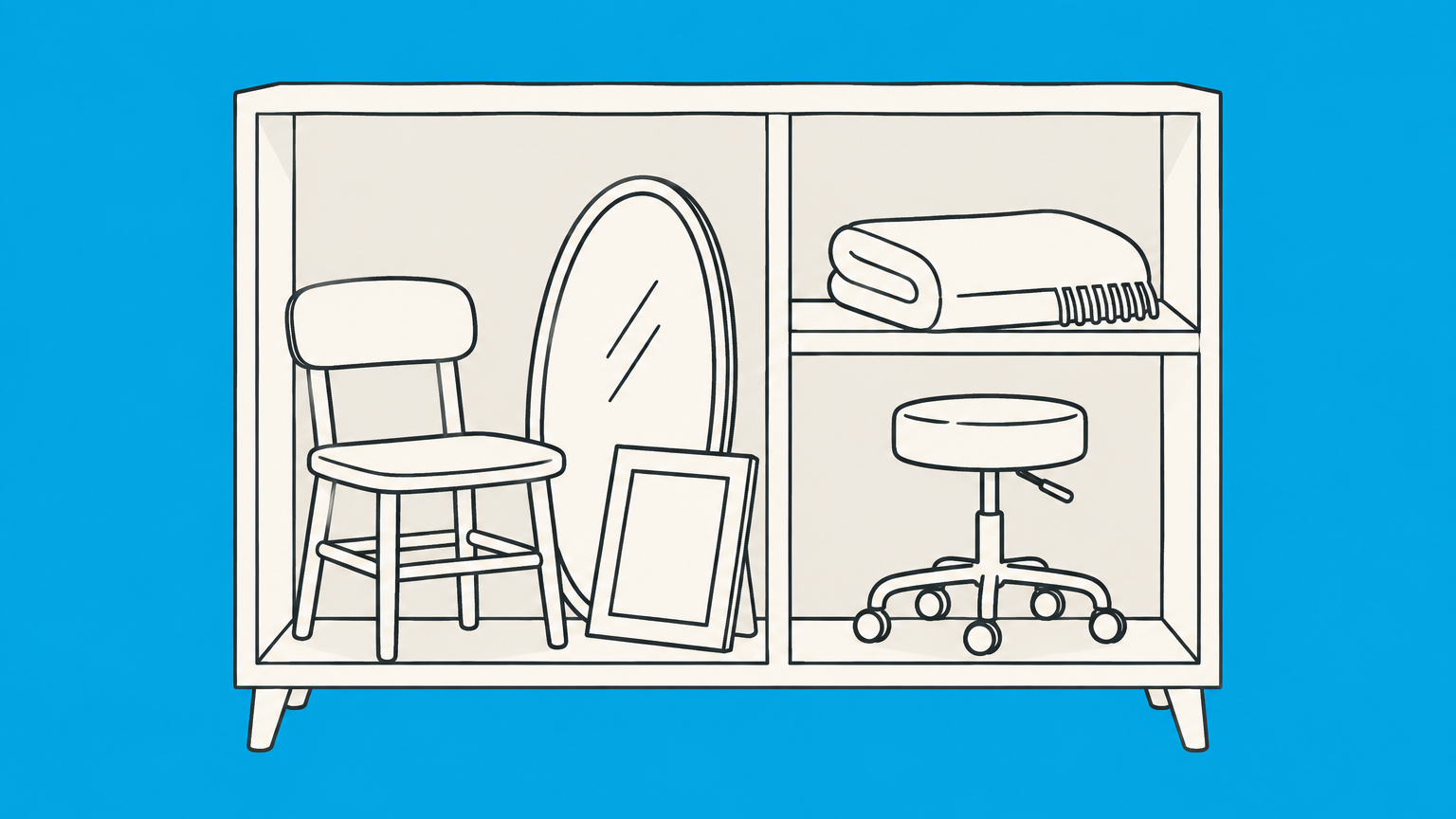
Key Takeaways
- Class 20 covers furniture and its parts, mirrors, picture frames, and specified related goods.
- Furniture can remain in Class 20 even when made of metal, plastic, wood, or another material.
- A product's function can place it outside Class 20, regardless of its material or appearance.
- Medical furniture, laboratory furniture, household utensils, textiles, and functional mirrors may belong in other classes.
- Your application must identify the actual goods. Listing only the class number is not enough.
- A mixed home-goods line often requires separate filings or a multi-class application.
What Is Trademark Class 20?
Trademark Class 20 is one of the goods classes in the international Nice Classification system. It principally includes furniture and furniture parts, mirrors, picture frames, nonmetal storage or transport containers, and certain goods made from materials such as wood, cork, reed, cane, wicker, horn, bone, shell, amber, mother-of-pearl, meerschaum, or plastic.
The class covers ordinary household, office, retail, and outdoor furniture. Examples include chairs, tables, desks, bookcases, cabinets, sofas, stools, shelving, display stands, and outdoor furniture. Metal furniture can also fall within Class 20. The assumption that this class applies only to nonmetal furniture is incorrect.
The Nice Classification Class 20 heading provides a starting point, not a complete product list. The explanatory notes and alphabetical list add detail about inclusions and exclusions. The USPTO then requires applicants to use an identification of goods that clearly states what they sell or intend to sell under the mark.
Classification does not depend on material alone. A plastic household container may belong in Class 21 because of its function, while plastic packaging containers can fall in Class 20. A mirror used as a home furnishing may be in Class 20, while an optical, dental, vehicle, or gun-sighting mirror is classified according to its specialized purpose. Always identify the product first, then determine its class.
Common Class 20 Furniture and Related Goods
The following table provides a practical Class 20 trademark description overview. It focuses on common furniture, home decor, display, storage, and bedding products recognized within the Nice framework. The exact wording available for a USPTO application should still be checked when you file.
| Product Group | Common Class 20 Examples | Classification Detail |
|---|---|---|
| Furniture | Chairs, tables, desks, sofas, benches, cupboards, filing cabinets, stools, and bookcases | Furniture generally remains in Class 20 even when made of metal. |
| Bedding goods | Mattresses, pillows, cushions, and nonmedical air mattresses | Bedding articles can be included, but bed linen and many textile goods are not. |
| Mirrors and frames | Furnishing mirrors, hand-held toilet mirrors, mirror tiles, picture frames, and frame moldings | Special-purpose mirrors are classified by function. |
| Retail and display goods | Display stands, showcases, mannequins, newspaper display stands, and jewelry organizer displays | The physical display product is different from retail services offered under a brand. |
| Furniture parts and fittings | Furniture shelves, nonmetal furniture casters, furniture doors, and nonmetal furniture fittings | The identification should name the part rather than state only "furniture accessories." |
| Decorative goods | Mobiles, wind chimes, and works of art made of wood, wax, plaster, or plastic | Material and function both affect the proper class. |
| Pet and child products | Pet beds, kennels, scratching posts, high chairs, cradles, and playpens | Specialized products may require closer review of their intended use. |
Other recognized examples include office furniture, outdoor furniture, gun racks, magazine racks, coat stands, umbrella stands, medicine cabinets, bottle racks, nonmetal pallets, plastic packaging containers, indoor blinds, and nonmetal letter boxes. A class of 20 filing should cover only the products identified in the application, not every item appearing in the class.
Class 20 Inclusions Versus Exclusions
A home decor product classification can turn on a product's purpose rather than how it looks. A hospital bed resembles a household bed, but its medical purpose can place it in Class 10. Laboratory benches and specialized laboratory furniture may belong in Class 9. Similar distinctions apply to mirrors, textiles, containers, hardware, and floor coverings.
| Product | Usually Included in Class 20 | Common Alternative Class |
|---|---|---|
| Furniture | Household, office, school, camping, outdoor, and metal furniture | Class 9 for specialized laboratory furniture or Class 10 for medical furniture |
| Mirrors | Furnishing mirrors, toilet mirrors, and looking glasses | Classes 9, 10, 12, or 13 for certain optical, dental, vehicle, or gun-sighting mirrors |
| Bedding | Mattresses, pillows, cushions, and bolsters | Class 24 for bed linen, blankets, eiderdowns, and sleeping bags |
| Window products | Certain indoor blinds and nontextile curtain fittings | Class 24 for curtains and certain textile or plastic window coverings |
| Household goods | Furniture, storage shelves, and specified nonmetal containers | Class 21 for household utensils, cookware, tableware, and many household containers |
| Decorative surfaces | Picture frames, furnishing mirrors, and specified decorative works | Class 27 for rugs, mats, and other floor coverings |
These distinctions also show why Class 20 is not a general category for wood or plastic goods. A plastic chair belongs in Class 20 because it is furniture. Plastic tableware generally belongs in Class 21 because it functions as tableware. Electronic or scientific goods may require a separate analysis under Trademark Class 9.
Do not choose a class solely from a product's marketing category. Terms such as "home accessories," "lifestyle goods," and "decor products" can cover items in several classes. Determine each product's ordinary commercial name, function, material when relevant, and intended use.
Home Goods Category Classification for Mixed Product Lines
A home goods category classification often spans several trademark classes. A company may use one brand on furniture, linens, rugs, lamps, tableware, and online retail services. The fact that the products appear in the same store or collection does not place them in one class.
For example, tables, chairs, picture frames, and furnishing mirrors commonly fall in Class 20. Bed linen and blankets generally fall in Class 24. Rugs and floor mats are commonly in Class 27. Lamps and lighting apparatus generally belong in Class 11, while cookware and tableware can fall in Class 21. If the same brand also appears on clothing, review the rules for a Class 25 trademark.
Retail activity is separate from the products being sold. A business offering online retail store services featuring furniture may need to consider Trademark Class 35 in addition to the goods classes. Registering for retail services does not automatically identify or cover the branded furniture itself.
Build a product inventory before selecting classes. Group exact products by function, then check each group against current classification resources. If you plan to expand, include only goods supported by the filing basis and applicable USPTO requirements. Do not add speculative categories simply because they might fit a future business plan.
Multiple classes can increase filing costs because government fees are assessed by class. They can also create separate proof and maintenance considerations for each group of goods. A narrower, accurate application is often more manageable than a broad filing with vague or unsupported language.
How to Write a Class 20 Trademark Description
Selecting Class 20 and writing the identification of goods are separate tasks. The class number tells the USPTO where the goods belong. The identification states the specific goods on which you use or intend to use the mark. An application that says only "Class 20" or "home goods" does not adequately identify the products.
Use ordinary commercial terms and avoid unclear wording. "Furniture" is a recognized category, but greater detail can help define the intended scope. If you sell only desks and office chairs, naming those products may be more accurate than claiming an unrestricted range of furniture. Guidance on drafting clear commercial language is also available in this overview of product and service descriptions.
Examples of straightforward Class 20 wording include:
- Furniture
- Office furniture
- Outdoor furniture
- Mirrors
- Picture frames
- Display stands
- Furniture shelves
- Works of art of wood, wax, plaster or plastic
You can also identify specific furniture, such as tables, chairs, desks, sofas, cabinets, and bookcases. Do not copy a long list that includes goods you do not offer. Review the exact term in the current USPTO manual because wording and acceptance status can change.
If a product could fit more than one class, your brand covers a mixed home-goods line, or the USPTO questions your identification, a trademark attorney can assess the goods, search for conflicting marks, draft the identification, select appropriate classes, and respond to classification-related issues. You can post your legal need on UpCounsel's marketplace, where responses typically arrive within a day.
How to Research Class 20 and Understand Its Protection
Start with the USPTO Trademark ID Manual. Search for the ordinary name of each product rather than searching only for "home decor" or "furniture." Review the class and the precise wording associated with each result. If a proposed term does not appear, that does not necessarily mean it is prohibited, but custom wording may require additional review and could affect the application process.
Next, consult the WIPO Nice Classification. Review the Class 20 heading, explanatory note, alphabetical list, and exclusions. WIPO materials are especially helpful when a product appears to sit between classes or when you need to understand why function outweighs material.
Classification is only one part of filing. Search for marks that may create a likelihood of confusion in connection with related goods or services. Similarity does not depend entirely on whether two marks appear in the same class. Goods in different classes can still be related, while goods in the same class are not automatically treated as identical.
A Class 20 registration protects a trademark as a source identifier for the goods listed in the registration. It does not grant ownership of furniture as a product category. It also does not automatically protect the product's construction, ornamental appearance, artwork, or every decorative feature. Depending on the facts, patents, copyright, or trade dress principles may address different aspects of a product or design.
Keep your identification consistent with your real commercial activity. Product names, specifications, packaging, website listings, and evidence of trademark use should describe the goods clearly enough to support the application and later maintenance filings.
Frequently Asked Questions
How Do We Introduce a Culture of Experimentation in a Marketing Team Used to Safe Ad Creative?
Start with small, measurable tests that protect the brand while giving the team permission to try new ideas. Define one variable per test, set approval boundaries, document the hypothesis, and review results without blaming unsuccessful concepts. A regular testing schedule and shared scorecard can turn experimentation into a controlled business process rather than an unpredictable creative risk.
What Is Class 20 in Trademarks?
Class 20 is an administrative category used to organize specified furniture, mirrors, picture frames, and related goods in trademark applications. The number helps trademark offices process and search applications, but it does not establish that a mark is available. Availability depends on the mark, the identified goods, related goods and services, and the likelihood of consumer confusion.
What Is a Class 25 Trademark?
A Class 25 trademark identifies a mark used with clothing, footwear, or headwear. Common products include shirts, pants, dresses, jackets, shoes, hats, and sportswear. Bags, jewelry, protective helmets, and downloadable virtual clothing can fall elsewhere, so a fashion or lifestyle brand may need more than Class 25 to cover its full catalog.
What Is TM Class 21?
TM Class 21 generally covers household or kitchen utensils and containers, cookware, tableware, glassware, porcelain, and earthenware. Examples can include cups, plates, pots, brushes, vases, and non-electric household utensils. A product marketed as home decor may fall in Class 21 when its primary identity and function match these goods rather than furniture or furnishings.
What Is a Class 22 Trademark?
A Class 22 trademark generally covers ropes, string, nets, tents, awnings, tarpaulins, sails, sacks, certain padding materials, and raw fibrous textile materials. Finished textile goods usually belong elsewhere. Businesses selling outdoor furnishings should examine the exact product because tents and awnings may be in Class 22 while camping furniture can be in Class 20.


