Pharma trademarks identify the commercial source of medicines and related products. Selecting one requires coordinated legal, regulatory, linguistic, and safety review because trademark registration alone does not authorize a drug name for the U.S. market.
Key Takeaways
- A medicine may have a chemical name, a nonproprietary or generic name, and a trademarked brand name.
- The FDA evaluates proposed drug names for regulatory and medication-safety concerns, while the USPTO examines trademark registrability.
- Approval or registration by one agency does not replace review by the other.
- Pharmaceutical trademark screening should cover existing marks, pending applications, sound-alike and look-alike risks, relevant goods, and intended markets.
- Trademark rights protect branding, not the underlying drug formula or the exclusive right to manufacture the medicine.
- International launches require separate availability and regulatory analysis in each intended country.
What Are Pharma Trademarks?
A pharmaceutical trademark is a word, phrase, symbol, design, or combination that identifies the source of a drug or related pharmaceutical product. For a medicine, the trademark is usually the brand or proprietary name used to distinguish one company's product from competing products. Logos, packaging elements, and other source identifiers may also receive trademark protection when they meet the applicable requirements.
These marks perform both commercial and practical functions. They help patients, prescribers, pharmacists, and buyers distinguish products. They also connect a product's reputation to its manufacturer. A distinctive mark can become a valuable business asset as customers and healthcare professionals associate the name with a particular source.
The term medical trademarks is broader than drug brand names. It can cover marks used for pharmaceuticals, medical devices, diagnostic products, healthcare software, and services. The appropriate trademark class depends on the goods or services identified in an application. Many pharmaceutical and medical goods fall within International Class 5, but not every healthcare-related product does. Review Trademark Class 5 for pharmaceuticals and medical goods before assuming a classification.
Pharmaceutical trademarks face concerns that do not arise as strongly in many other industries. A name might be legally distinctive yet still create a medication-error risk because it looks or sounds like another drug name. Companies therefore need to evaluate ordinary trademark confusion and the separate safety concerns associated with prescribing, dispensing, and administering medicines.
How Medicines Are Named: Chemical, Generic, and Brand Names
Medicines generally have three naming layers. Each layer serves a different purpose, and only the brand layer ordinarily functions as the pharmaceutical trademark that identifies a commercial source.
| Name Type | Primary Function | Trademark Role |
|---|---|---|
| Chemical name | Describes the drug's chemical structure or composition. | Usually does not function as a brand or source identifier. |
| Nonproprietary or generic name | Identifies the active substance without tying it to one manufacturer. | Must remain available for nonproprietary use and generally cannot be monopolized as the product's trademark. |
| Brand or proprietary name | Distinguishes a particular company's product in the marketplace. | Can function as a trademark if it meets legal requirements and clears the applicable reviews. |
International Nonproprietary Names, commonly called INNs, support consistent identification of active pharmaceutical substances across countries. In the United States, nonproprietary naming also involves the United States Adopted Names process. A proposed brand should not interfere with the public function of an established nonproprietary name. Naming teams should check the current standards applied by the responsible naming bodies rather than assume that a coined variation is acceptable.
The practical answer to which drug name is trademarked is therefore the proprietary brand name, not the chemical or generic name. A manufacturer may also protect a logo or other distinctive branding. The existence of a brand trademark does not prevent clinicians, manufacturers, or the public from using the medicine's nonproprietary name.
FDA Trademark Review Versus USPTO Registration
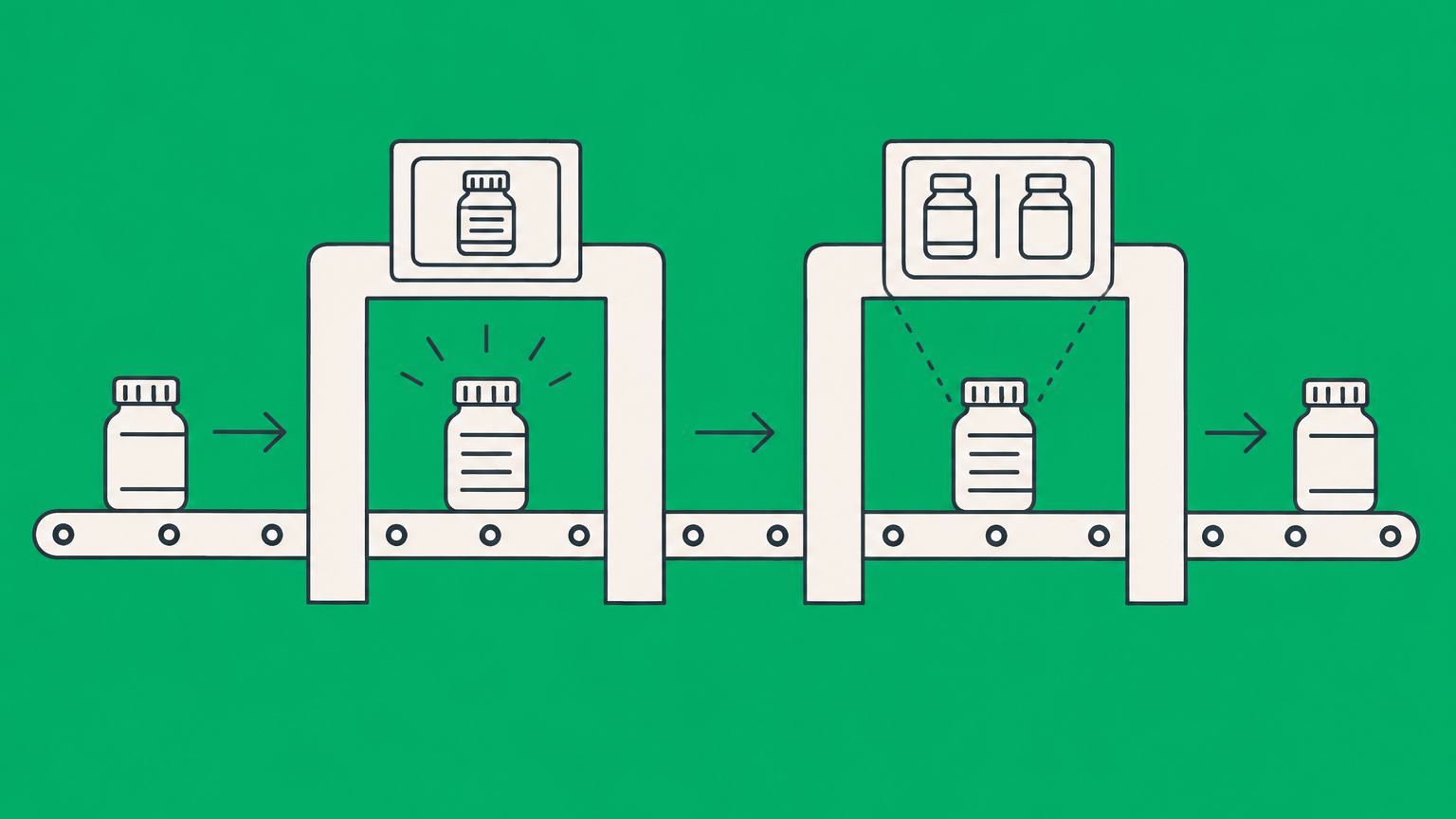
A proposed U.S. drug name can face both FDA scrutiny and USPTO trademark examination, but the agencies answer different questions. Referring to an FDA trademark can be misleading because the FDA does not issue federal trademark registrations. Likewise, the USPTO does not decide whether a proposed drug name creates an unacceptable medication-error concern under the FDA's review.
| Review | Purpose | Issues Examined | What It Does Not Establish |
|---|---|---|---|
| FDA drug-name review | Evaluates a proposed proprietary name within the drug regulatory process. | Potential medication errors, misleading implications, promotional concerns, and similarities in appearance or pronunciation to other names. | It does not grant federal trademark ownership or determine registration rights. |
| USPTO trademark examination | Determines whether a mark may receive federal registration for identified goods or services. | Conflicts with registered or pending marks, distinctiveness, application requirements, and other legal grounds for refusal. | It does not approve the drug, authorize marketing, or replace FDA name review. |
A pharmaceutical brand may therefore need to be registered by the U.S. Patent and Trademark Office as well as reviewed through the U.S. Food and Drug Administration process. Success before one agency does not guarantee success before the other. A coined name might avoid a conflicting trademark but resemble another medicine when handwritten, displayed, or spoken. Conversely, a name that raises no apparent safety concern could still conflict with an earlier trademark.
Companies should consult current resources from the FDA and USPTO when planning submissions. USPTO publication may also give third parties an opportunity to challenge registration, as explained in the guide to a mark being published for opposition.
Pharmaceutical Trademark Screening and Clearance Workflow
Pharmaceutical trademark screening should begin while the naming team still has multiple candidates. Early screening lets you remove obvious conflicts before investing heavily in brand strategy, packaging, regulatory submissions, or international filings. A preliminary search is useful, but it is not the same as a legal clearance opinion.
- Define the product and markets. Identify the drug, related goods, expected channels, intended countries, and any future product extensions that may affect the search.
- Search exact and similar marks. Review federal registrations and pending applications, not just exact matches. Consider spelling variations, shared components, translations, and marks that create a similar overall commercial impression.
- Compare relevant goods and services. A conflict analysis considers both the marks and the relationship between the identified products. Classification alone does not resolve the likelihood of confusion.
- Evaluate sound and appearance. Test how candidates look in print and electronic systems and how they sound when spoken. Similar pronunciation, letter patterns, or visual structure may create regulatory concerns even when traditional trademark analysis suggests the names differ.
- Check nonproprietary naming concerns. Review existing generic names, INNs, and applicable naming conventions. Avoid candidates that could imply an ingredient, composition, or characteristic in a misleading way.
- Conduct linguistic and cultural review. For each intended country, examine pronunciation, meaning, transliteration, and unintended negative associations.
- Document the decision. Preserve search results, reasons for eliminating names, and the legal and regulatory assessments supporting the final shortlist.
Once you have a shortlist or find a potentially conflicting mark, a trademark lawyer can conduct legal clearance, assess confusion risks, coordinate filing priorities, and align the trademark strategy with the separate FDA naming process. You can post your legal need on UpCounsel's marketplace to identify counsel with relevant trademark or life sciences experience. Responses typically arrive within a day, helping your team address problems before committing to a candidate.
Choosing Strong Pharmaceutical and Medicinal Product Trademarks
Strong medicinal product trademarks should be distinctive, legally available, suitable for regulatory review, and workable in every planned market. These requirements should guide the creative process instead of being treated as final checks after executives select a preferred name.
Coined or otherwise distinctive wording may be easier to protect than language that directly describes the product's ingredients, purpose, users, or effects. A name should not make unsupported claims or create a misleading impression about safety, effectiveness, composition, or superiority. Regulatory teams should also examine abbreviations, modifiers, dosage references, and other wording that could be misread during prescribing or dispensing.
Look-alike and sound-alike analysis deserves separate attention. Standard trademark review asks whether consumers may believe related goods come from the same source. Medication-safety review considers how confusion could occur in actual healthcare settings. Handwriting, capitalization, electronic displays, pronunciation, and surrounding product information may affect the analysis. A name can therefore be registrable as a trademark yet remain unsuitable as a drug name.
Avoid building a brand around an established nonproprietary name or wording that needs to remain available to describe the active substance. International Nonproprietary Names help healthcare professionals identify pharmaceutical substances without relying on one manufacturer's brand. Current guidance should be checked before adopting a candidate that resembles a nonproprietary name or naming component.
Keep backup names through the review process. Because legal and regulatory standards address different risks, maintaining several viable candidates can reduce disruption if a preferred name encounters an objection.
International Pharmaceutical Trademark Review
A U.S. trademark search, registration, or FDA review does not create global clearance. Trademark rights are territorial, and each country applies its own registration procedures and regulatory standards. A medicine and medicinal product trademark that works in one market may conflict with an earlier mark, carry an unintended meaning, or face a regulatory objection elsewhere.
Start by prioritizing countries based on the launch plan. Search national and relevant regional trademark records for registered marks and pending applications. The review should cover exact matches, similar spellings, phonetic equivalents, translations, and related pharmaceutical or medical goods. Local counsel can evaluate search results under the law and practice of each jurisdiction.
Linguistic review should go beyond a direct dictionary translation. Test how the name is pronounced by local speakers, how it appears in local writing systems, and whether it creates undesirable cultural or medical associations. Transliteration can introduce similarities that are not apparent in the original spelling. A candidate may also resemble an existing drug name when spoken with a local accent.
Coordinate international filing decisions with expected launch timing, regulatory submissions, and product development. Filing too narrowly may leave important markets exposed, while filing broadly without a commercial plan can increase cost and administrative work. Companies should also determine who will own the marks, which affiliate will use them, and how licenses or distribution agreements will address brand control.
Continue monitoring after filing and launch. Later applications, unauthorized use, local naming changes, and loss of distinctiveness can affect a portfolio even after initial clearance.
Trademarks, Drug Patents, and Pharmaceutical Trademark Valuation
Trademarks, patents, and regulatory name review protect different interests. A pharmaceutical trademark protects branding that identifies source. It can help stop others from using confusingly similar branding for related goods, but it does not give the owner exclusive rights to manufacture the underlying medicine.
A patent may protect a qualifying invention, such as a compound, formulation, manufacturing process, or use, depending on the claims and applicable law. Patent rights are separate from trademark rights and have different requirements and terms. For more detail, review medical patent protection and the explanation of drug patent duration. Products may also be covered by multiple overlapping patents, sometimes described through the concept of patent thickets in pharmaceutical markets.
Regulatory review of a proposed proprietary name addresses whether that name is acceptable for the drug approval and medication-use context. It neither creates trademark ownership nor extends patent protection. After relevant patent protection ends, another company may be able to market an approved competing product under a nonproprietary name or its own lawful brand, subject to applicable legal and regulatory requirements.
Trademark valuation for pharmaceuticals often considers the mark's legal strength, geographic coverage, remaining commercial life, reputation, revenue associated with branded products, licensing potential, enforcement history, and exposure to genericization or disputes. The value cannot be determined from registration alone. Due diligence should examine ownership records, licenses, coexistence agreements, pending challenges, actual use, and alignment between the trademark portfolio and the company's regulatory and commercial plans.
Frequently Asked Questions
How Are Medicines Named?
Medicines receive names for different scientific, public, and commercial purposes. Researchers use a chemical name, naming bodies establish a nonproprietary name for the active substance, and a manufacturer may propose a proprietary brand. The exact organizations and procedures vary by country, so a global launch team should confirm current naming requirements in every target jurisdiction.
Which Drug Name Is Trademarked?
The proprietary brand name is the drug name that ordinarily functions as a trademark. Chemical and nonproprietary names identify the substance rather than one commercial source. A company may separately protect logos, package designs, or other distinctive elements, but those rights depend on the particular mark, its use, and the laws of each jurisdiction.
Can a Generic Drug Have Its Own Trademark?
Yes, a generic drug manufacturer may use its own distinctive brand, subject to trademark and regulatory review. The manufacturer cannot claim exclusive trademark rights in the drug's generic name itself. Many generic products instead emphasize the nonproprietary name together with company identifiers, but the branding approach depends on the market and applicable rules.
What Are Five Examples of Trademark Elements for Pharmaceutical Products?
Five possible trademark elements are a proprietary product name, company name, logo, slogan, and distinctive package design. Not every element automatically qualifies for protection. Eligibility depends on whether it identifies source, is legally distinctive, avoids conflicts with earlier rights, and satisfies other requirements applicable to that type of mark.
Who Are the Big Five or Top 25 Pharmaceutical Companies?
There is no fixed legal list of the big five or top 25 pharmaceutical companies. Rankings change depending on the date and whether they measure revenue, market value, prescription sales, research spending, or another factor. Company size also does not determine trademark priority, which generally requires analysis of relevant rights, dates, goods, and jurisdictions.
Can the FDA Approve a Name That the USPTO Refuses?
Yes, different outcomes are possible because the agencies apply different standards. A proposed name might avoid the FDA concerns considered during drug-name review but conflict with an earlier trademark at the USPTO. The reverse can also occur, so companies should maintain backup candidates and coordinate both review tracks instead of treating either result as controlling.


