Does bankrupting an LLC affect personal credit? Not automatically. The main questions are whether you personally owe or guaranteed the debt, whether an account reports under your name, and whether a creditor has grounds to pursue you individually.
Key Takeaways
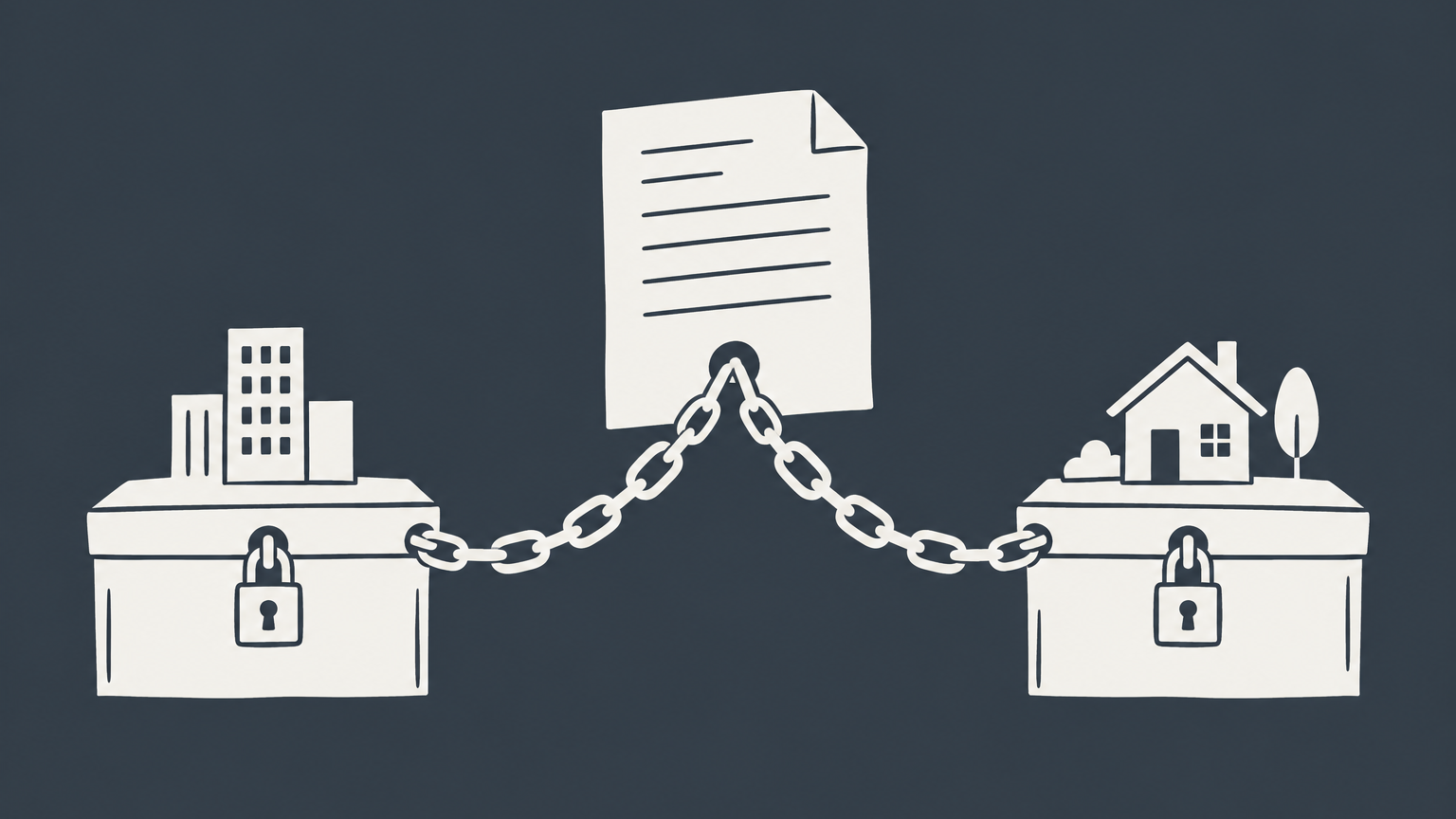
- An LLC bankruptcy generally concerns the company and its assets, not the owner's personal debts or credit report.
- A personal guarantee can make you responsible for an LLC loan, credit card, lease, or equipment obligation.
- Closing an LLC, defaulting on a debt, filing business bankruptcy, and filing personal bankruptcy have different consequences.
- An LLC may use Chapter 7 to liquidate or Chapter 11 to reorganize, but an LLC cannot receive a Chapter 7 discharge.
- Using personal accounts for business obligations can create a direct path to personal credit damage.
- Commingling funds does not automatically make every LLC debt personal, but it can weaken the separation between you and the company.
Does Bankrupting an LLC Affect Personal Credit Directly?
An LLC is a legal entity separate from its members. If the LLC alone files bankruptcy and its obligations belong only to the company, the filing generally should not be treated as the owner's personal bankruptcy. That distinction is the starting point, not a guarantee that your personal credit will remain untouched.
Personal credit risk arises when there is a legal or reporting connection between you and the debt. Common connections include a personal guarantee, a jointly held account, a personal credit card used for company expenses, or a loan made to you individually. Missed payments on those obligations may be reported under your name even if the money benefited the LLC.
A creditor also may claim that you are personally liable because of your own conduct, such as fraud, a wrongful act, or circumstances that justify disregarding the LLC under applicable state law. Those claims are fact-specific. An unsuccessful business, inadequate records, or an unpaid company bill does not by itself establish that every debt belongs to the owner.
Review each obligation separately rather than asking only whether the LLC filed bankruptcy. The answer may differ across a bank loan, commercial lease, company card, supplier account, payroll obligation, or tax debt. For a broader explanation of the dividing line, see who is liable for LLC debt.
Closing, Defaulting, and Filing Bankruptcy Are Different Events
Owners often use closing, default, dissolution, and bankruptcy as if they mean the same thing. They do not. Each event affects the company and owner differently.
- Closing operations: The LLC stops doing business. Closing the doors does not cancel contracts, loans, leases, taxes, or other existing obligations.
- Dissolving the LLC: The company follows state procedures to wind up and terminate its legal existence. Dissolution generally involves addressing claims, distributing remaining assets properly, and filing required state documents. It does not erase a personal guarantee.
- Defaulting on LLC debt: The company fails to perform as required, such as missing a loan payment. The creditor may enforce collateral rights, pursue the LLC, invoke a guarantee, or use other remedies allowed by the agreement and law.
- Filing LLC bankruptcy: The company becomes a bankruptcy debtor. The automatic stay generally stops collection against the debtor and property of the bankruptcy estate, but it ordinarily does not protect a separate guarantor merely because the LLC filed.
- Filing personal bankruptcy: The owner becomes the debtor. This is a separate case that can directly appear on the owner's personal credit history and may address eligible personal obligations, including some guarantee liabilities.
If your business has stopped operating but has no bankruptcy case, you may still need to complete dissolution and tax-related closing steps. The requirements vary by state. Review your state's current instructions and consider the practical differences between an inactive LLC and a dissolved LLC before deciding to leave the entity in place.
What Happens if an LLC Goes Bankrupt?
What happens if an LLC goes bankrupt depends largely on the bankruptcy chapter. The two chapters most relevant to an LLC are Chapter 7 and Chapter 11. Chapter 13 is available only to individuals, not to an LLC or corporation.
Chapter 7 Liquidation
In Chapter 7, a trustee administers property of the LLC's bankruptcy estate and distributes available proceeds under bankruptcy priority rules. The company typically stops operating unless limited continued activity is needed to preserve or sell assets. Unlike an individual debtor, an LLC does not receive a Chapter 7 discharge. The proceeding instead provides an orderly liquidation process.
The LLC's Chapter 7 case does not eliminate an owner's separate liability under a personal guarantee. It also does not necessarily prevent a creditor from pursuing a nondebtor guarantor. If company collateral is sold for less than the secured debt, the relevant agreements determine whether the owner guaranteed any remaining deficiency.
Chapter 11 Reorganization
Chapter 11 may allow an LLC to keep operating while it proposes a plan addressing debts, assets, contracts, and creditor claims. The debtor often remains in possession of its property, subject to court oversight and bankruptcy requirements. A Chapter 11 plan may reorganize or liquidate the business, depending on the circumstances.
Chapter 11 is more procedurally demanding than simply closing the company. It also does not automatically release an owner's guarantee. For a closer look at the filing process and possible next steps, read about LLC bankruptcy options.
How Business Debt Can Reach Your Personal Credit
The name on the LLC does not answer who must pay a particular obligation. Account documents, signatures, collateral terms, and payment history provide the more useful answer. This table shows common arrangements and how each may create personal credit exposure.
| Debt arrangement | Who owes the debt | Potential path to personal credit impact | Documents to review |
|---|---|---|---|
| LLC-only debt | The LLC | Limited direct impact if you did not guarantee, co-sign, or personally hold the account | Application, note, account agreement, signature page |
| Personally guaranteed debt | The LLC owes the primary debt, and the guarantor has a separate contractual obligation | Default may lead to collection and reporting tied to the guarantor | Guarantee, note, lease, amendments, default notices |
| Business card tied to the owner | Depends on the cardholder agreement | The account may affect personal credit if you are personally liable or the issuer reports it under your name | Application, cardholder agreement, credit reports |
| Secured LLC debt | The LLC, unless another party also agreed to pay | A shortfall may reach you if you guaranteed the debt or pledged personal collateral | Security agreement, guarantee, financing documents |
| Commingled finances | Initially depends on the underlying contract | A creditor may argue for personal liability under state law, but commingling alone does not automatically decide the claim | Bank statements, ledgers, transfers, tax records |
Do not assume that all business credit cards include the same terms. Some require an owner to accept personal liability, while others may be company-only obligations. You can also review how EIN-based business credit works to understand the difference between company and personal credit files.
How to Find a Personal Guarantee Before Filing
A personal guarantee may appear in a separate document or within a loan, lease, credit application, or financing agreement. Search for terms such as guarantor, guaranty, unconditional guarantee, continuing guarantee, individual liability, co-borrower, or jointly and severally liable. Then inspect the signature block to see whether you signed only for the LLC or also in an individual capacity.
Do not rely only on the account's business name. A loan may list the LLC as borrower while a separate page makes the member a guarantor. A commercial lease may identify the LLC as tenant but attach a personal guaranty. Equipment financing can combine a company payment obligation, a lien on equipment, and an owner's guarantee. Credit card terms may impose liability through the application or cardholder agreement.
Before choosing between closure and bankruptcy, collect:
- Loan applications, notes, credit agreements, and amendments
- Personal guarantees and co-signer documents
- Commercial leases and equipment financing agreements
- Security agreements and records identifying pledged collateral
- Credit card applications and cardholder terms
- Bank statements showing which account made each payment
- Payment histories, default letters, and collection notices
- Current personal credit reports showing reported business-related accounts
Your signature matters. Signing a document without reviewing incorporated terms may still create enforceable obligations, so examine the full agreement rather than only the signature page. More generally, understand the risks of signing a contract without understanding its terms.
If you signed a personal guarantee, received a default or collection notice, mixed personal and LLC funds, or must choose between closing and bankruptcy, consider hiring a bankruptcy attorney. A lawyer can review the governing agreements, identify personal exposure, compare filing options, and communicate with creditors. You can post your legal need on UpCounsel's marketplace, where responses typically arrive within a day.
When Commingled Finances May Create Personal Liability
Keeping business and personal finances separate supports the LLC's distinct legal identity. Useful practices include maintaining a dedicated business bank account, recording owner contributions and distributions, documenting loans between you and the company, and signing contracts in the LLC's name and in your representative capacity.
Poor separation can create evidence for a creditor seeking to hold an owner personally responsible. This is often called piercing the corporate veil. The governing standards vary by state and depend on the full facts. Courts may consider issues such as misuse of the entity, inadequate separation, misleading conduct, or using the LLC to promote fraud or injustice. No single bookkeeping mistake necessarily decides the case.
Limited liability also does not protect you from responsibility for your own wrongful conduct. An LLC generally shields a member from liability based solely on ownership, but it is not permission to commit fraud, divert assets improperly, or ignore an independent legal duty. Certain tax or payroll-related obligations also may involve rules that impose responsibility on individuals who control payment decisions.
If a creditor raises an alter ego or veil-piercing claim, gather formation records, operating agreements, bank statements, accounting ledgers, contracts, tax filings, and records of owner transactions. State statutes and controlling court decisions determine the applicable test, so generalized online checklists cannot resolve the issue.
Steps to Protect Personal Credit Before and After a Filing
Start by matching every debt to its borrower, guarantor, collateral, and payment account. Create a list showing the creditor, balance, default status, account holder, and whether you signed individually. This prevents an LLC-only debt from being confused with an obligation that can follow you personally.
- Review personal credit reports. Identify business-related accounts already appearing under your name. If information is inaccurate, use the credit reporting agency's dispute process.
- Preserve financial records. Keep agreements, statements, payment records, tax documents, and creditor communications. Do not alter or discard records when litigation or bankruptcy is possible.
- Stop unnecessary commingling. Pay legitimate company expenses from company accounts. Record any owner-funded payment accurately rather than treating it as an undocumented transfer.
- Do not transfer assets to avoid creditors. Pre-filing transfers can receive close scrutiny and may create additional legal problems. Obtain advice before selling, gifting, or moving significant assets.
- Compare the available paths. A negotiated workout, orderly dissolution, Chapter 7 liquidation, and Chapter 11 case serve different purposes. The best choice depends on assets, operations, secured claims, guarantees, and available cash.
- Address personal obligations separately. An LLC filing does not itself resolve the owner's guarantee. Determine whether negotiation or a separate personal bankruptcy analysis is necessary.
Maintain careful separation in any future venture. LLC formation alone does not create a strong business credit profile, and lenders may still consider your personal credit or request a guarantee. The relevant agreement determines the risk.
Frequently Asked Questions
Does bankrupting an LLC affect personal credit?
It may affect personal credit when an account is connected to you individually. For example, a lender might have obtained your personal credit during underwriting or reported an account for which you accepted individual liability. Obtain your reports from the recognized credit reporting channels and compare each listed account with the original application and agreement.
Does LLC bankruptcy affect personal credit if a spouse co-signed?
A spouse who co-signed or guaranteed a business obligation may face separate credit consequences even if the other spouse owns the LLC. Marriage alone does not make every company debt a joint credit account. The contract, applicable state law, and the source of the obligation determine each spouse's responsibility.
What happens to employees if an LLC goes bankrupt?
Employees may experience layoffs, delayed compensation, or continued employment, depending on the chapter and whether operations continue. Certain employee wage or benefit claims may receive priority treatment subject to federal bankruptcy limits and requirements. Employees should preserve pay records, benefit statements, employment agreements, and notices received from the company or bankruptcy court.
Can an LLC file bankruptcy without hurting personal credit?
Yes, that result is possible, but no filing can guarantee that an owner's score will remain unchanged. Lenders may consider reduced income, closed accounts, or later credit applications separately from the bankruptcy filing. Owners should monitor their reports and avoid making inaccurate statements about the failed business when applying for new credit.
Can personal creditors go after my LLC?
Personal creditors generally pursue property that belongs to you, which may include your economic interest in an LLC. Their available remedies depend on state law, the operating agreement, the type of LLC, and any court orders. A creditor does not automatically become entitled to take company assets simply because you owe a personal debt.
How badly does Chapter 7 bankruptcy hurt personal credit?
A personal Chapter 7 case can substantially affect access to credit, but the score change varies with the person's existing history and the scoring model. A Chapter 7 bankruptcy may remain reportable for up to 10 years under federal credit reporting law. Its practical effect may lessen as you establish a newer record of timely payments.


