If you are an independent contractor not paid for work, preserve your records before the dispute escalates. Then confirm the payment terms, contact the client, make a formal demand, and compare your recovery options.
Key Takeaways
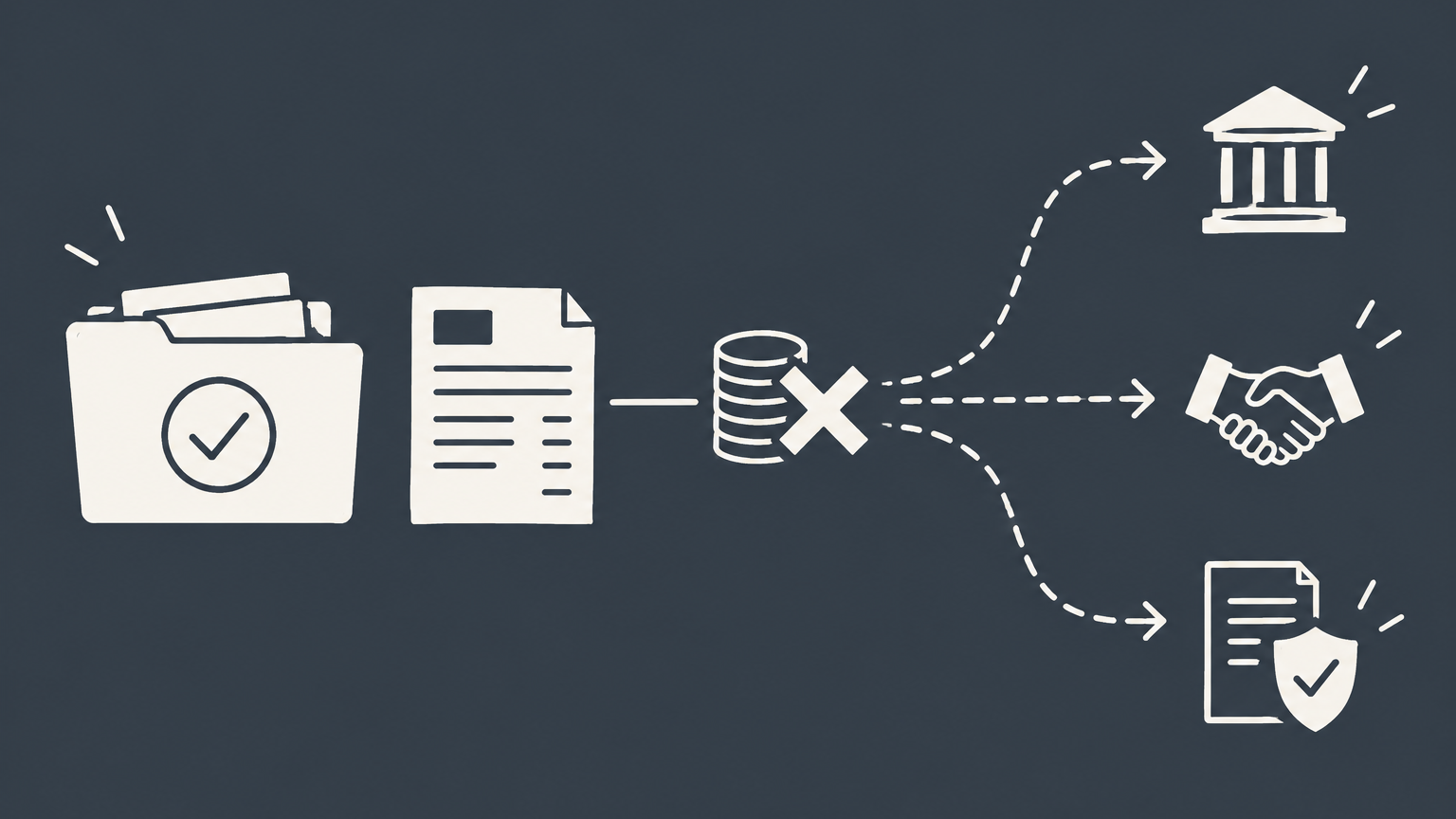
- Save the agreement, invoice, deliverables, approvals, messages, and payment history.
- Separate a late invoice from a dispute about price, scope, quality, or completion.
- Send a clear written demand before turning to collections or court.
- You may still have a claim without a signed contract, but proving the agreement can be harder.
- Construction subcontractors may have specialized lien or prompt-payment rights under state law.
- Employee misclassification can change which payment protections and remedies apply.
Independent Contractor Not Paid for Work: First Steps
Start by reading every document that controls the job. Check the scope of work, rate, invoicing requirements, due date, acceptance process, change-order terms, dispute procedure, and any provision addressing attorney fees, interest, mediation, arbitration, or governing law. Confirm that you submitted the invoice to the correct person and satisfied any required billing process.
Next, build a payment file. Keep the signed agreement, proposals, work orders, time records, receipts, invoice, proof of delivery, client approvals, and communications about the work. Preserve original electronic files and messages rather than relying only on screenshots. If the client accepted part of the work, requested revisions, promised payment, or used your deliverables, save that evidence.
Determine whether the invoice is merely late or expressly disputed. An accounting delay may respond to a short reminder with the invoice attached. A client who challenges the amount, quality, authorization, or completion of the work requires a more detailed response. Ask the client to identify the specific disputed item in writing, then answer with the relevant contract term and supporting record.
Do not make threats, remove delivered work, access the client's systems, or publish accusations without legal advice. Those actions can create new contractual, property, confidentiality, or business disputes. Keep communications factual. State what you completed, what is owed, when payment became due, and how the client can pay. For a broader explanation of your status and obligations, review these independent contractor rights.
How to Demand Payment for an Independent Contractor Unpaid Invoice
If a reminder does not work, send a formal demand for payment. Address it to the person or entity that hired you, using the legal business name shown in the agreement. If a billing department or project manager is involved, provide that person with a copy. Follow any notice method required by the contract.
Your demand should identify the agreement or project, summarize the completed services, list the invoice number and original due date, and state the exact unpaid balance. Attach the invoice and key proof of completion. If only part of the amount is disputed, ask the client to pay the undisputed portion while the parties address the rest.
Set a reasonable response date without claiming a statutory deadline unless you have verified that one applies. Explain the next step you are prepared to take, such as mediation, collections, small claims, arbitration, or a civil action. Mention interest, late fees, attorney fees, or collection costs only if the agreement or applicable law supports them. An unsupported demand can distract from an otherwise valid claim.
Send the letter through a method that creates a reliable delivery record, and retain a complete copy. Continue documenting later calls and settlement proposals. If the client offers partial payment, review any release language before accepting it. A check or agreement marked as full settlement may affect the remaining dispute, depending on the circumstances and applicable law.
What Can a Contractor Do if Not Paid?
The right recovery option depends on the amount, evidence, contract terms, location, and nature of the dispute. Check first for a mandatory arbitration, mediation, venue, or notice clause. Also compare the likely recovery with filing fees, collection charges, attorney fees, and the time required to pursue the matter.
| Option | Best Fit | Useful Evidence | Tradeoffs and Legal Help |
|---|---|---|---|
| Demand letter | A documented debt that may resolve after escalation | Agreement, invoice, approval, delivery records | Relatively direct, but it does not force payment. A lawyer can strengthen disputed demands. |
| Mediation | A factual or quality dispute where both sides may compromise | Contract, project records, proposed settlement terms | Can preserve the relationship, but generally requires participation and agreement. |
| Collection agency | A fixed debt where the main problem is collection | Invoice, debtor information, proof the balance is due | The agency charges a fee and may not handle complicated contract defenses. |
| Small claims court | A claim within the court's current monetary and subject-matter limits | Organized timeline, contract, invoice, messages, witnesses | Designed for smaller disputes. Procedures, service rules, and lawyer participation vary. |
| Civil lawsuit or arbitration | A larger, complex, or heavily disputed claim | Full agreement, damages records, communications, expert evidence if needed | Offers formal procedures but can require more time and expense. Counsel may be valuable. |
Potential claims may include breach of contract or, in suitable cases, a noncontract theory based on the value of accepted services. The available claim and damages depend on state law and the facts. Verify filing deadlines promptly because limitation periods differ, and a private invoice date does not establish how long you have to sue.
Can a Contractor Sue for Nonpayment Without a Contract?
A contractor may be able to pursue payment without a signed written contract, but the contractor must still prove that an agreement or another legally recognized basis for payment existed. Oral agreements can sometimes be enforceable. Certain transactions, however, must be in writing, and the applicable rules vary by state and subject matter.
Collect records that show who requested the work, what each party expected, the price or pricing method, and the client's acceptance of the result. Useful evidence may include emails, text messages, proposals, estimates, purchase orders, calendar entries, time logs, invoices, revision requests, completed deliverables, and testimony from people involved in the project. Prior payments for similar work can help explain the parties' course of dealing.
Create a dated timeline linking each promise to the work you performed. If the price was never fixed, gather evidence of how the parties calculated previous invoices or discussed a reasonable rate. Do not alter old records or recreate them as if they were contemporaneous. Clearly label later summaries as summaries.
Before filing, confirm the defendant's correct legal identity and address. Review your state's current court instructions for jurisdiction, filing limits, service, evidence, and deadlines. A business name on an invoice may differ from the individual or legal entity responsible under the agreement. These details can determine where and against whom a case should be filed.
Subcontractor Workers Not Getting Paid, Lawyers, and Lien Rights
Subcontractor nonpayment differs from a direct client dispute because several parties may sit between the worker and the project owner. Identify who hired you, who owns the property, the upstream contractor, and the terms of your subcontract. Preserve daily reports, change orders, delivery receipts, photographs, inspection records, pay applications, and communications about approval or rejection.
Ask whether the upstream contractor claims it has not been paid by the owner. Then review any payment language in the subcontract. The effect of provisions tying subcontractor payment to owner payment varies by wording and state law. Public projects, residential projects, commercial projects, and federally funded work may also follow different payment-security rules.
A mechanic's or construction lien may secure payment for qualifying labor or materials contributed to real property, but it is not available for every unpaid contractor invoice. Eligibility, preliminary notices, required contents, service, filing office, deadlines, and enforcement procedures are state-specific. Some rights can be lost if a required notice or filing deadline passes. Check the state's current official lien instructions for the property's location before relying on a lien.
For more context, compare a subcontractor with an independent contractor and review what may happen when a contractor refuses to pay a subcontractor.
If the client disputes the work or amount, the agreement is unclear, classification may be wrong, a lien deadline may apply, or self-service recovery is impractical, you can post your legal need on UpCounsel's marketplace. An attorney can review the evidence, identify viable claims and the proper forum, prepare a demand, negotiate, and file the appropriate action. Responses typically arrive within a day.
Independent Contractor Payment Rights and Misclassification
A genuine independent contractor usually seeks an unpaid fee through the agreement and state contract law rather than employee wage procedures. Federal minimum-wage and overtime protections under the Fair Labor Standards Act generally apply to employees, not genuine independent contractors. State and local laws may provide additional protections or use different classification standards.
The label in a contract does not decide classification by itself. A 1099 tax form, flexible schedule, or payment by project also does not necessarily resolve the issue. Relevant facts can include control over how the work is performed, the worker's investment and opportunity for profit or loss, the permanence of the relationship, required skill and initiative, and how the work relates to the business. Different laws may apply different tests.
If you were called a contractor but functioned as an employee, unpaid compensation may involve employee wages, overtime, deductions, benefits, or other remedies instead of only an unpaid invoice. This is why the phrase "1099 employer" can signal a classification issue. The IRS accepts Form SS-8 requests for federal tax-status determinations through its official Form SS-8 information, but that process is not itself a lawsuit or debt-collection method.
California and other states may apply their own classification standards, wage-claim procedures, small-claims rules, and contract remedies. Do not assume advice for one jurisdiction applies elsewhere. If you believe you were an employee, preserve schedules, instructions, supervision records, pay statements, time records, and evidence showing who supplied tools or controlled the work. You can also compare protections involving late employee payments.
Preventing Unpaid Contractor Work and Paying Contractors Legally
Future agreements should define the parties, services, deliverables, price, invoice schedule, payment due date, acceptance process, revision limits, expenses, and responsibility for taxes. Address change orders, cancellation, intellectual property, confidentiality, dispute resolution, governing law, and any supported late-payment terms. Avoid copying provisions that do not match the project or state law.
For longer jobs, use deposits, milestones, retainers, progress billing, or escrow when appropriate. Link each payment to an objective event. Do not let scope changes remain in calls or informal messages. Confirm the new task, price, and schedule in writing before doing extra work. Pause-work rights should also be clearly stated rather than assumed.
Clients asking how to pay contractors legally should follow the agreement, keep accurate business and tax records, use the contractor's correct legal and tax information, and avoid controlling the relationship in ways inconsistent with its actual classification. Tax reporting does not replace the obligation to pay an amount that is due. Contractors may be asked for a W-9, and this explanation of when a W-9 may be required provides additional context.
Invoice promptly and include enough detail to connect the charge to the agreement. Track due dates and follow up consistently. Before accepting a new client, verify the contracting entity, billing contact, approval process, and authority of the person ordering the work. These practices cannot eliminate nonpayment, but they make the obligation easier to prove and enforce.
Frequently Asked Questions
What can a contractor do if not paid?
A contractor can document the balance, request a written explanation, and escalate through a demand, negotiated resolution, collections, or the proper court. Before choosing a method, confirm who owes the debt and whether the agreement requires arbitration or another private dispute process.
How do you put a lien on a house for unpaid work?
You must follow the construction-lien law of the state where the house is located. Confirm that your labor or materials qualify, then check preliminary notice, service, recording, content, and enforcement requirements. Residential projects may carry special rules, so use current official state instructions.
How do you pay contractors legally?
Pay contractors according to the agreed rate, billing process, due date, and payment method while maintaining required tax and business records. The parties should document scope changes and reimbursements. Correct payment administration does not cure misclassification if the actual working relationship is legally one of employment.
Can a contractor sue for nonpayment without a contract?
Yes, a contractor may be able to sue without a signed contract if other evidence proves an agreement or supports another recognized claim. The result depends on state law, the type of transaction, the available proof, and any rule requiring that particular agreement to be written.
How does back pay work?
Back pay generally refers to compensation an employee should have received for an earlier period. A genuine contractor usually seeks an unpaid contract amount instead. If classification is disputed, the worker may need to establish employee status before using wage-law remedies associated with back pay.
Can a contractor sue for nonpayment?
Yes, a contractor can potentially sue when a client fails to pay an enforceable obligation. The proper court, available damages, filing deadline, and required procedures depend on the agreement, claim amount, defendant's location, governing law, and any arbitration or venue provision.
Can you sue a 1099 employer?
Yes, receiving a 1099 does not prevent you from suing the hiring party when a valid legal claim exists. Your options may differ depending on whether you were properly classified as a contractor or were actually an employee entitled to wage protections under the applicable legal test.


