General partnership liability can expose a partner's personal assets to business debts, contracts, and legal claims. The precise rules depend on the governing state partnership law, the facts, and the terms of any partnership agreement.
Key Takeaways
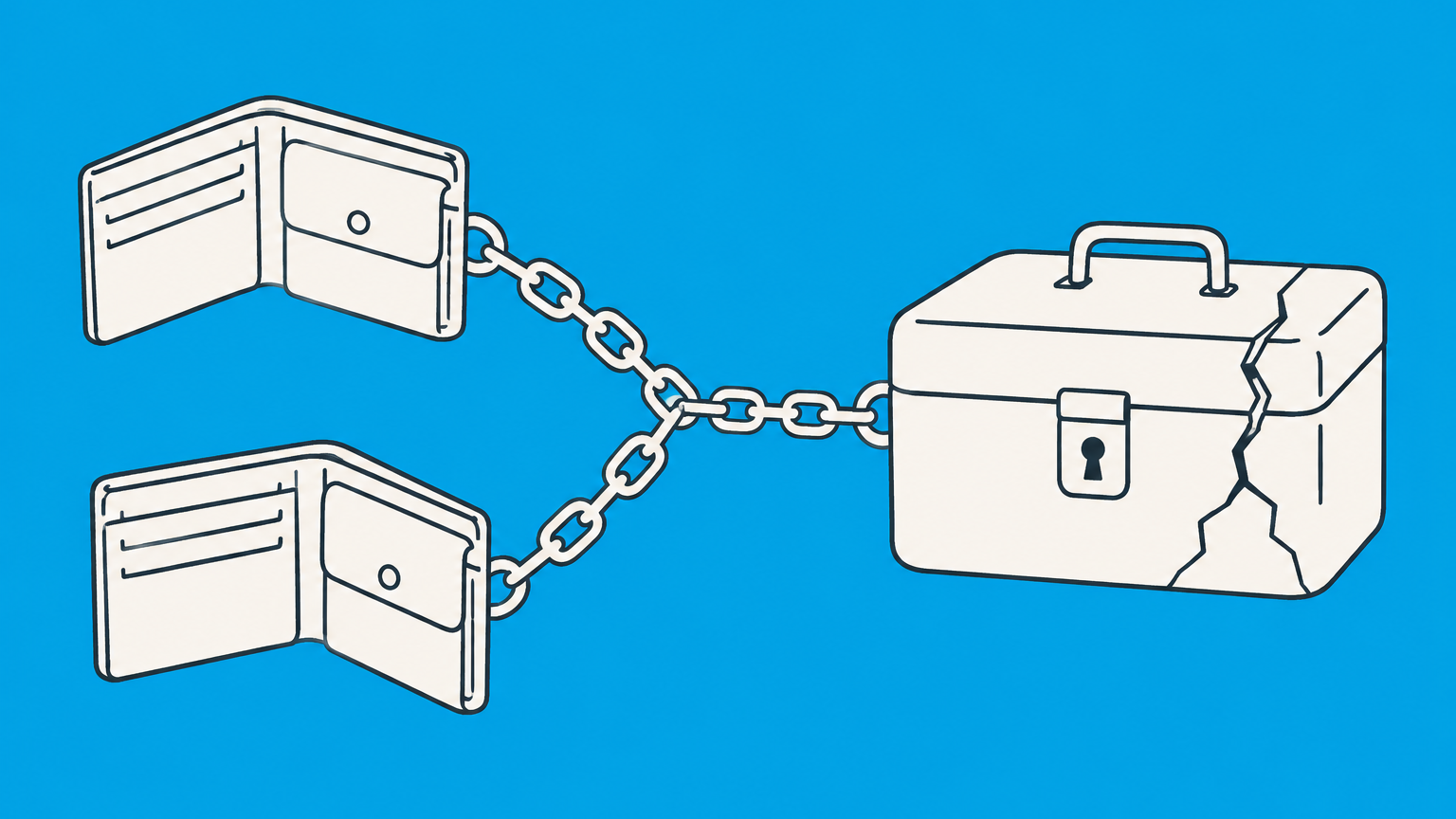
- General partnerships usually do not provide an entity-level liability shield for their partners.
- Joint and several liability may allow a claimant to pursue one partner for more than that partner's ownership share.
- A partner may create liability through authorized contracts, negligence, or other conduct within the partnership's business.
- A partnership agreement can allocate responsibility internally, but it may not eliminate a third party's legal rights.
- Insurance can fund covered claims, but it does not change the partnership's legal structure.
- An LLP, LP, LLC, or corporation may offer greater protection, subject to state law and proper operation.
Does a General Partnership Provide Liability Protection?
A general partnership normally does not protect partners from personal liability in the same way an LLC or corporation can. Under applicable state law, a general partner may be personally responsible for partnership obligations, including unpaid business debts, contractual duties, judgments, and certain claims arising from conduct connected to the business.
The statement, "All partners in a general partnership have full liability for the debts of the business," is generally true as a description of the risk, but it is incomplete as a legal rule. The scope of liability, the order in which a creditor must seek payment, and available defenses depend on the governing state statute. Some states require a creditor to pursue partnership assets before collecting from an individual partner, while exceptions may apply.
Ownership percentages do not necessarily control what a creditor can collect. A partner who owns a small share may face exposure beyond that share if state law imposes joint and several liability. An internal agreement requiring another partner to bear the cost may support a reimbursement or contribution claim, but that agreement may not prevent an outside creditor from enforcing independent rights.
The word "investor" can also cause confusion. A person who is legally a general partner may face general-partner liability even if that person mainly contributed money. By contrast, limited partners, LLC members, and shareholders operate under different liability rules. Review liability across different partnership structures before treating every business owner or investor as a general partner.
General Partnership Joint and Several Liability Explained
Joint and several liability determines whom a claimant may pursue and for how much. In plain language, the terms generally mean the following:
- Joint liability: The partners are responsible together for an obligation.
- Several liability: A partner may be pursued individually for an obligation.
- Joint and several liability: A claimant may pursue multiple responsible partners together or seek the recoverable amount from one partner, subject to state law and collection rules.
This structure matters when the partnership cannot pay. Suppose a valid business debt is $100,000 and two partners split profits 90 percent and 10 percent. If joint and several liability applies, the creditor may be able to pursue the 10 percent partner for more than $10,000. The profit-sharing arrangement controls the relationship between the partners, but it does not automatically limit the creditor's recovery.
A partner who pays more than an agreed share may have rights against the partnership or other partners. Those rights are separate from the creditor's claim. They can also be difficult to enforce if the other partners lack funds, dispute the agreement, or have left the business.
Do not assume every state applies identical terminology or procedures. The governing statute may address when a judgment can be entered against a partner, whether partnership property must be used first, and what defenses an individual partner may raise. Verify the rule in the state governing the partnership rather than relying only on ownership percentages or the business's name.
Are Partners Liable for Each Other's Acts and Torts?
A general partner can create obligations for the partnership by acting with actual or apparent authority in the ordinary course of partnership business. As a result, one partner's contract may bind the partnership and expose other partners even when they did not personally negotiate or sign it. Authority, the nature of the transaction, and the third party's knowledge can all affect the result.
Tort claims require a separate analysis. A tort may involve negligence, misrepresentation, property damage, or another wrongful act. When a partner allegedly commits a tort while conducting partnership business or acting with partnership authority, the partnership and other partners may face exposure under the governing law. A partner's purely personal conduct outside the business does not automatically become a partnership obligation.
Employee conduct can also create risk when the employee acts within the scope of work or under the partnership's authority. The following examples show why the source and context of an obligation matter:
| Scenario | Whose Conduct Created the Obligation? | Who May Be Pursued? |
|---|---|---|
| One partner signs a bad contract for ordinary business services | The signing partner, potentially acting for the partnership | The partnership and potentially its general partners, depending on authority and state law |
| A partner allegedly commits a tort while serving a client | The partner accused of the wrongful act | The acting partner, the partnership, and potentially other general partners under applicable law |
| An employee causes harm while performing assigned work | The employee acting in the business | The employee, partnership, or partners may face claims depending on agency and state rules |
| The business fails to pay an ordinary operating debt | The partnership incurred the debt | The partnership and potentially individual general partners |
The distinction between contract and tort liability affects available defenses, insurance coverage, indemnification, and the evidence needed to establish authority or business purpose.
How Creditors Pursue Partners and Personal Assets
A claimant does not automatically receive a partner's property merely because the partnership owes money. The claimant must establish the obligation and follow applicable procedures for obtaining and enforcing a judgment. State law determines whether the claimant must first pursue partnership property, when a judgment may extend to an individual partner, and which personal assets are exempt from collection.
Personal exposure can include funds or property legally available to satisfy a judgment. Separate issues arise when a partner personally guarantees a lease, loan, or vendor account. A guarantee creates direct contractual liability that can apply even if the business later changes its legal structure. Forming an LLC after signing a personal guarantee generally does not erase the guarantee.
Timing also matters for incoming and departing partners. A state's partnership statute may treat obligations incurred before admission differently from those incurred while the person was a partner. Leaving the partnership may not resolve existing obligations, and third parties may continue to rely on apparent authority until legally effective notice or filings address it.
A departing partner should document the withdrawal, address outstanding debts, review guarantees, and follow the state's notice and filing requirements. A creditor's release may be necessary to end liability under a particular contract. If the partners are ending their relationship, the process for removing a partner from a general partnership can affect authority, buyout rights, and unresolved obligations.
Partnership Agreements, Formation, and Internal Responsibility
A general partnership may arise when two or more people carry on a business together as co-owners, even without filing formation documents for a separate entity. Calling the arrangement a joint venture, collaboration, or informal business does not necessarily prevent partnership status. Formation, registration, assumed-name, licensing, and tax requirements still vary by state and locality.
A written partnership agreement should define each partner's authority and financial responsibilities. Useful provisions may address:
- Capital contributions and ownership percentages
- Profit, loss, and debt allocation
- Limits on signing contracts or borrowing money
- Approval requirements for major transactions
- Indemnification and contribution between partners
- Insurance obligations and claim procedures
- Admission, withdrawal, buyout, and dissolution
- Dispute resolution and access to business records
These terms can reduce disputes and support a claim against a partner who exceeds agreed authority. They do not necessarily eliminate liability to a customer, lender, landlord, employee, or injured third party. A third party may have rights under state partnership and agency law regardless of how the partners allocated responsibility among themselves.
Check your state's official statutes and Secretary of State instructions before assuming no filing is required. State-specific rules can materially change the analysis. For example, owners operating in Florida should review the requirements applicable to a general partnership in Florida rather than applying another state's procedures.
General Partnership Liability Insurance and Risk Reduction
General partnership liability insurance can help pay covered defense costs, settlements, or judgments, but insurance is not the same as limited liability. A policy supplies contractual coverage up to its limits. It does not convert a general partnership into an LLC, stop someone from naming a partner in a lawsuit, or guarantee payment for every claim.
The right coverage depends on the business. Options may include commercial general liability, professional liability or errors and omissions coverage, property insurance, employment-related coverage, cyber coverage, vehicle coverage, or management liability products. Partners should review who qualifies as an insured, which activities are covered, policy limits, deductibles, exclusions, defense-cost treatment, notice requirements, and whether claims involving one partner affect coverage for another.
Risk reduction also requires operational controls. Use written contracts, document who may bind the business, separate business and personal funds, maintain accurate records, screen employees, and require approval for unusual debts or guarantees. Review coverage as the partnership adds services, locations, employees, or larger contracts.
If a creditor or claimant is pursuing you personally, another partner's contract or alleged tort has exposed the business, or the owners want to restructure, you can post your legal need on UpCounsel's marketplace. Responses typically arrive within a day. An attorney can review state law, authority to bind the partnership, the partnership agreement, potential indemnification rights, insurance coverage, personal guarantees, and restructuring options.
Comparing General Partnerships, LLPs, LPs, and LLCs
Owners concerned about personal exposure can consider a different structure before taking on new debt, signing a lease, hiring employees, or providing higher-risk services. Changing the entity may protect against future obligations, but it usually does not erase existing debts, guarantees, or claims.
| Structure | Personal Liability | Management Role | Exposure to Another Owner's Conduct | Filing Requirements |
|---|---|---|---|---|
| General partnership | General partners may be personally liable for partnership obligations | Partners generally share management rights unless they agree otherwise | Potentially significant when conduct binds the partnership | May arise without an entity filing, but state and local requirements must be checked |
| Limited partnership | At least one general partner generally has personal liability; limited partners receive different protection | The general partner manages; limited-partner rights depend on state law and the agreement | Depends on partner status, conduct, and applicable law | State filing is generally required |
| Limited liability partnership | Partners may receive statutory protection, with scope varying by state | Partners can generally participate in management | Often reduced, but personal misconduct and other exceptions may remain | Registration and continuing compliance requirements vary by state |
| Limited liability company | Members generally receive a liability shield for company obligations, subject to guarantees and exceptions | Member-managed or manager-managed | Usually less direct than in a general partnership, subject to personal conduct and veil-piercing rules | State formation and ongoing compliance are required |
An LLC often appeals to owners seeking a liability shield and flexible management. See how LLC liability for business debts differs from general-partner exposure. An LP may fit a business with passive investors, while an LLP may suit eligible professional or operating partnerships. Availability, protection, taxes, fees, and compliance rules differ by state, so compare the full legal and financial effect before converting.
Frequently Asked Questions
Do Partnership Owners Have Personal Liability?
Yes, general partnership owners can have personal liability for partnership obligations. The practical risk depends on the claim, available partnership assets, state collection procedures, personal guarantees, and exemptions from judgment enforcement. Owners of LLPs, LPs, and LLCs may receive different protection, so the legal entity's exact status matters more than the informal use of the word "partner."
Does a General Partnership Provide Liability Protection?
No, a general partnership generally does not provide its partners with a broad liability shield. Contract terms, insurance, and internal indemnification provisions can manage financial risk, but they do not create the statutory protection associated with an LLC or similar entity. State law may still provide procedural defenses, exemptions, or limits relevant to a specific claim.
How Is Liability Shared in a General Partnership?
Liability may be shared according to state law and the partners' agreement, but external and internal responsibility are different. A creditor may recover from one partner as permitted by law, while that partner may later seek contribution from the partnership or co-partners. Recovery is not assured if the agreement is unclear or the other responsible parties cannot pay.
Do General Partnerships Have Unlimited Liability?
General partnerships are commonly described as having unlimited liability because a general partner's exposure is not automatically capped at the amount invested. That does not mean every claim succeeds or every personal asset can be taken. The claimant must prove liability, comply with judgment procedures, and account for any exemptions, defenses, insurance, or statutory collection requirements.
What Are Five Disadvantages of a General Partnership?
Five common disadvantages are personal liability, exposure to another partner's authorized conduct, possible disputes over management, instability when a partner leaves, and difficulty raising investment without changing the structure. The lack of a required formation filing may make starting easier, but it can also cause owners to create a partnership without recognizing the legal and financial consequences.
Why Would Someone Choose a General Partnership Over an LLC?
Someone may choose a general partnership because it can begin through the owners' conduct without the same entity-formation process as an LLC. Partners may also value direct participation and flexible internal arrangements. Those conveniences must be weighed against personal liability, uncertainty about authority, state-specific registration duties, and the continuing compliance required if the business later converts to another structure.


