A buy back clause gives a party a contractual right to repurchase an asset, and in football it usually lets a former club reacquire a player under agreed conditions. The exact wording determines whether the clause creates a true option, a negotiation right, or only priority over other buyers.
Key Takeaways
- A football buy-back clause usually gives the original selling club an option to reacquire a player at an agreed price during a defined period.
- The clause does not necessarily let the club transfer the player unilaterally. The player's contract, consent, personal terms, and registration requirements also matter.
- A buy-back option is not the same as a right of first refusal, sell-on clause, loan, or release clause.
- Price, deadlines, notice requirements, payment terms, and activation conditions should be stated precisely.
- Competing offers, expired options, unmet conditions, and conflicting transfer provisions can create disputes.
- The executed agreements and applicable football regulations control, not the label used in media coverage.
Buy Back Clause Meaning in Football
In a football transfer, a buy-back clause generally gives the club selling a player the right, but not the obligation, to buy that player back later. The transfer agreement may establish a fixed price, a price that changes by season, or a formula based on specified events. It should also identify when and how the right may be exercised.
The purpose is to let the original club transfer ownership now while preserving a route to the player's return. This can help a young or underused player receive opportunities elsewhere. The acquiring club obtains the player's registration and services, subject to the transfer documents and the player's employment agreement. The former club retains only the contractual rights that the parties expressly granted.
The word "option" is significant. A true option may require the current club to complete the transfer when all stated conditions are satisfied. A loosely written provision may instead require negotiations or give the former club an opportunity to make an offer. Calling both arrangements a buyback clause does not make their legal effects identical.
Buy-back rights can also apply outside football. Contracts may let a seller repurchase shares, real estate, intellectual property rights, or another asset. Those arrangements share a basic concept, but their governing laws, approval requirements, and transfer procedures differ. For a broader explanation of purchase options, see how an option to buy contract structures the holder's right to complete a later purchase.
How Does a Buy Back Clause Work in Football?
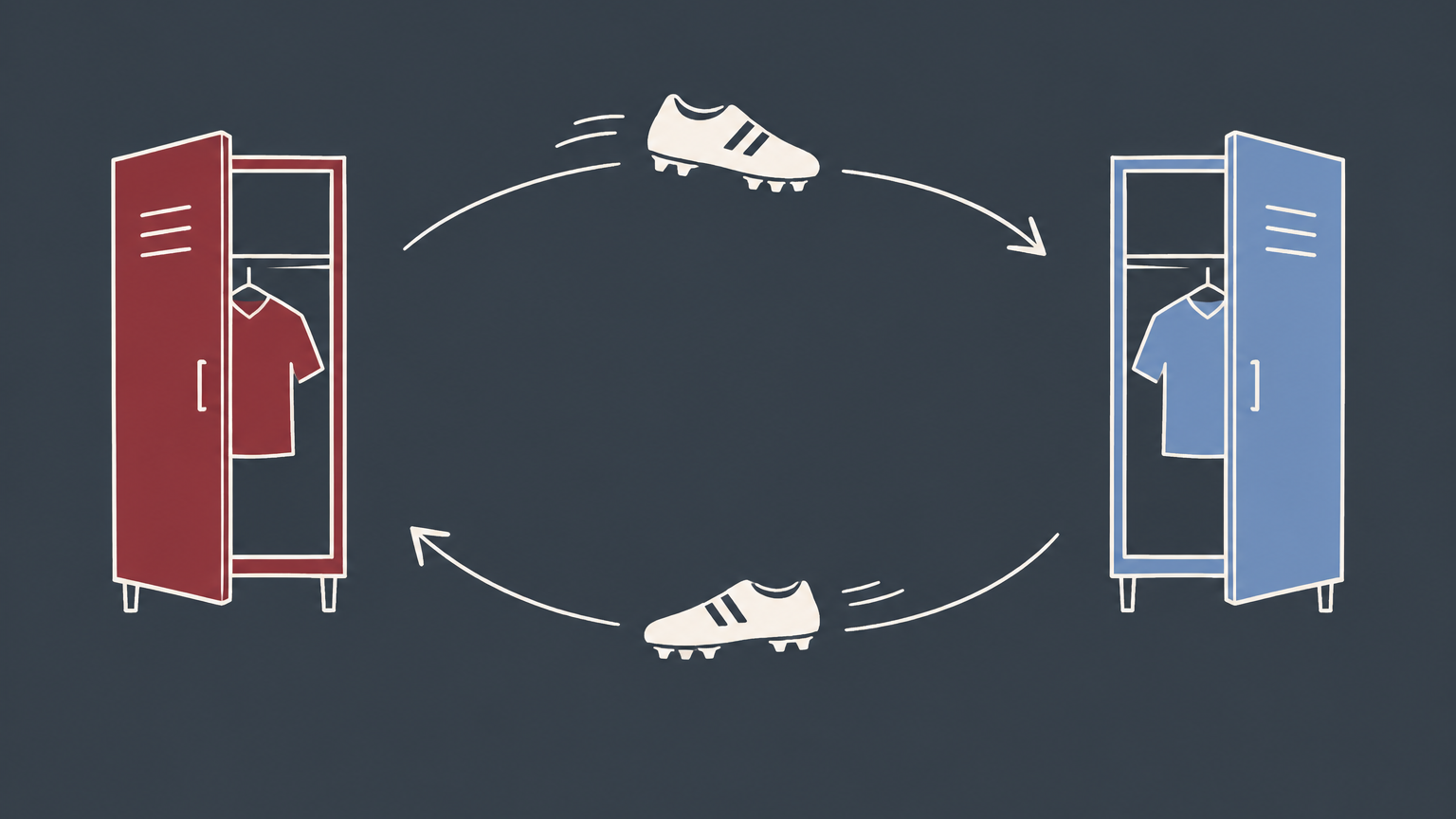
A football buy-back normally begins with an outright transfer. Club A sells the player to Club B, and the transfer agreement grants Club A a future repurchase right. Club B then controls the player's registration under the completed transfer, while the player performs under a separate employment contract with Club B.
If Club A later wants the player back, the usual sequence is:
- Check the exercise window. Club A confirms that the option remains valid and can be used during the relevant transfer period.
- Verify the conditions. The club checks the required price, performance triggers, notice period, approvals, and any restrictions on exercise.
- Deliver notice. Club A uses the method specified in the agreement, such as written notice to designated representatives.
- Satisfy the transfer terms. The clubs follow the agreed payment schedule, document requirements, and completion process.
- Address the player's position. The returning club and player handle personal terms and any required employment documentation.
- Complete registration. The parties submit the transfer through the procedures required by the applicable league, national association, and other governing bodies.
The sequence can change if the clause requires further negotiations rather than automatic completion. It may also change for international transfers, minors, loans, or agreements containing conditions that conflict with the proposed move. Club personnel should compare the contract against the current rules governing the relevant competition and associations before sending an exercise notice.
Can a Player Refuse a Buy-Back Clause?
A player's ability to refuse depends on the agreements they signed and the rules governing the transfer. A buy-back clause between two clubs can bind those clubs without automatically creating a new employment agreement between the player and the former club.
This distinction matters because a player transfer has several legal layers. The club-to-club agreement addresses matters such as the transfer fee and registration rights. The player's employment agreement addresses salary, term, duties, bonuses, and other personal terms. Football regulations also impose registration and transfer requirements. Exercising the interclub option does not eliminate those separate issues.
If the player has not already agreed to return on defined terms, the former club may need to negotiate a new employment contract. If the player signed a related commitment when the original transfer occurred, that document may affect the analysis, subject to applicable employment law and football rules. The exact language and enforceability of every document must be reviewed together.
Media descriptions sometimes imply that activation alone forces the player to move. That may oversimplify the arrangement. Club officials and representatives should check who signed each agreement, what obligations the player accepted, and what happens if personal terms are not agreed. They should also confirm whether the option remains exercisable if the player rejects the proposed employment terms.
Buy-Back Clause vs. Other Transfer Provisions
A buy-back option is only one way to preserve an interest in a player's future. Similar provisions allocate ownership, financial upside, and control differently. The contract's substance matters more than its title.
| Provision | Ownership | How It Activates | Effect of Increased Value |
|---|---|---|---|
| Buy-back clause | The acquiring club owns the player's registration after the original transfer. | The former club follows the agreed price, timing, notice, and conditions. | A fixed option price may be lower or higher than the player's later market value. |
| Right of first refusal | The current club retains ownership. | The right holder receives an opportunity to match or respond to a qualifying third-party offer. | The price may depend on the third party's offer rather than a preset amount. |
| Sell-on clause | The acquiring club owns the player's registration. | A later transfer or other defined event triggers a payment to the former club. | The former club may share in the financial upside without reacquiring the player. |
| Loan | The lending club generally retains the player's registration while temporarily releasing the player to another club. | The loan agreement governs the temporary move and any purchase option. | The lending club retains ownership unless a permanent transfer is completed. |
A transfer may combine these provisions. For example, a former club might hold both a buy-back option and a sell-on right. The agreement should explain which provision applies if the player moves again, whether one payment offsets another, and whether exercising one right terminates the rest.
What a Buy Back Agreement Should Cover
A workable buy back agreement should make the option commercially understandable and procedurally usable. Ambiguous timing, price, or notice language can turn a valuable right into a dispute. Review at least the following terms:
- Covered rights: Identify the player, asset, shares, or other interest subject to repurchase.
- Nature of the right: State whether exercise creates a binding sale, starts negotiations, or gives priority over another offer.
- Repurchase price: Use a fixed amount or a clear formula. Address taxes, add-ons, installments, currency, and payment timing where relevant.
- Validity period: Specify the opening date, expiration date, eligible transfer windows, and any extension rights.
- Activation conditions: Define appearances, team selection, competition status, approvals, or other triggers precisely.
- Notice procedure: Identify the permitted delivery method, recipients, required contents, and when notice becomes effective.
- Completion obligations: Explain what each party must sign, pay, release, or submit after exercise.
- Related provisions: Reconcile the option with sell-on rights, first refusal rights, loans, cancellation rights, and third-party offers.
- Player documentation: Address how the option interacts with personal terms and any separate commitment involving the player.
- Governing law and disputes: Identify the controlling law, forum, football dispute mechanism, and available remedies as appropriate.
Business repurchase clauses need similar precision. A company buying back an ownership interest may face approval, valuation, and transfer restrictions that do not apply to player transfers. Parties planning an ownership repurchase can compare the clause with a cross-purchase buy-sell agreement or review how contracts handle a transfer of partnership interest.
If you are drafting, exercising, resisting, or disputing a clause, you can post your legal need on UpCounsel's marketplace. An attorney can review the option language, deadlines, player-related agreements, governing law, and applicable transfer rules. Counsel can also prepare the exercise notice, identify missing conditions, or negotiate revisions with the other party. Responses typically arrive within a day.
Competing Offers and Other Buyback Clause Edge Cases
A clause should anticipate what happens when the transaction does not follow the expected path. The outcome in each case depends on the executed language rather than a general football practice.
- Expired option: If the exercise period has ended, the former club ordinarily cannot rely on the option unless the agreement provides an extension or the parties make a new deal.
- Unmet condition: A performance-linked option may remain unavailable if the stated threshold was not reached. Disputes can arise when a condition or measurement method is unclear.
- Competing offer: A third club's higher bid does not necessarily defeat a fixed-price buy-back right. The answer may depend on cancellation language, matching rights, or priority provisions.
- Price below later value: The original club may benefit if the player becomes more valuable than the fixed repurchase price. The current club still receives the amount it accepted when negotiating the option.
- Price above later value: The option holder can usually choose not to exercise a true option, although related contractual commitments should be checked.
- Buy-back plus sell-on right: The agreement should state whether the sell-on payment applies when the former club itself exercises the option and whether any amount is credited against the price.
- Late or defective notice: Notice sent to the wrong recipient or after a deadline may be challenged even if the exercising club clearly intended to use the option.
Multiple agreements can also point in different directions. A transfer agreement, side letter, player contract, and later amendment should be reviewed as a package. Where one transaction depends on obligations in another contract, the drafting concerns may resemble those found in back-to-back contracts.
Legal Considerations Beyond the Football Headline
Contract law determines what the parties promised, but football transfers may also involve employment rules, registration systems, association regulations, and international requirements. The relevant framework depends on the clubs, player, competition, and transfer route. A provision that appears commercially clear may still require specific approvals or procedures before the transfer can be registered.
Reviewers should avoid assuming that an option is enforceable merely because the agreement uses mandatory language. They should examine formation, authority, consideration where required, certainty of terms, governing law, dispute provisions, and any rule that limits or conditions the transaction. Current instructions from the applicable league, national association, and international governing body should be verified for each transfer.
The same caution applies outside sport. Buy-back provisions may appear in share sales, founder arrangements, partnership agreements, intellectual property licenses, and property transactions. A company may use a repurchase right after an employee or consultant leaves, while business owners may use buy-sell terms to manage a partner's departure. For that setting, an agreement addressing a partner buyout may provide more relevant structure than a football-style fixed option.
Finally, a "buy back clause" mentioned in relationship discussions is usually informal slang, not a recognized category of football or commercial contract. Its meaning depends on the people using it. It should not be confused with a legally drafted option to repurchase property or contractual rights.
Frequently Asked Questions
What Is a Buy Back Clause?
A buy back clause is a contract term allowing a seller or another designated party to repurchase an asset under stated conditions. Depending on its wording, it may create a binding purchase option, require additional negotiations, or provide priority over competing purchasers. The clause should identify the covered asset, price or pricing method, exercise period, and required notice.
What Is a Buy Back Clause in Football?
A buy back clause in football is a transfer provision preserving a former club's ability to reacquire a player. It is commonly documented in the agreement between the clubs, but the player's employment arrangements remain separately relevant. Journalists may use the term broadly, so the reported label does not always reveal the provision's full legal effect.
How Does a Buy Back Clause Work in Football?
A football buy-back clause works when the option holder satisfies the agreed activation requirements. Those requirements may include acting in a particular transfer window, paying a stated fee, and delivering compliant notice. Completion can still depend on player-related documentation and registration procedures, which is why activation and a completed return transfer are not always the same event.
Can a Player Refuse a Buy Back Clause?
A player may be able to refuse a return if the player has not contractually agreed to it and does not accept personal terms. The interclub option and the player's employment relationship are distinct. Any prior commitment signed by the player, applicable employment law, and governing football regulations must be reviewed before determining the player's rights or potential obligations.
What Is a Buy Back Clause in a Relationship?
A buy back clause in a relationship is generally informal slang rather than a standardized legal concept. People may use it to describe an understanding about resuming a former relationship, but the phrase has no single accepted meaning. It should not be treated as equivalent to a commercial repurchase option, and its meaning depends entirely on context.
What Is the Purpose of a Buy Back?
The purpose of a buy back is to preserve a path for recovering ownership or control after an initial sale. It can protect the seller if the asset becomes strategically valuable while giving the buyer ownership in the meantime. The arrangement also creates price certainty when the contract fixes the repurchase amount or provides a definite calculation method.


