A TIN number is a taxpayer identification number used to identify a person or entity for U.S. tax purposes. Depending on who or what is being identified, the TIN may be an SSN, EIN, ITIN, or another federal tax identifier.
Key Takeaways
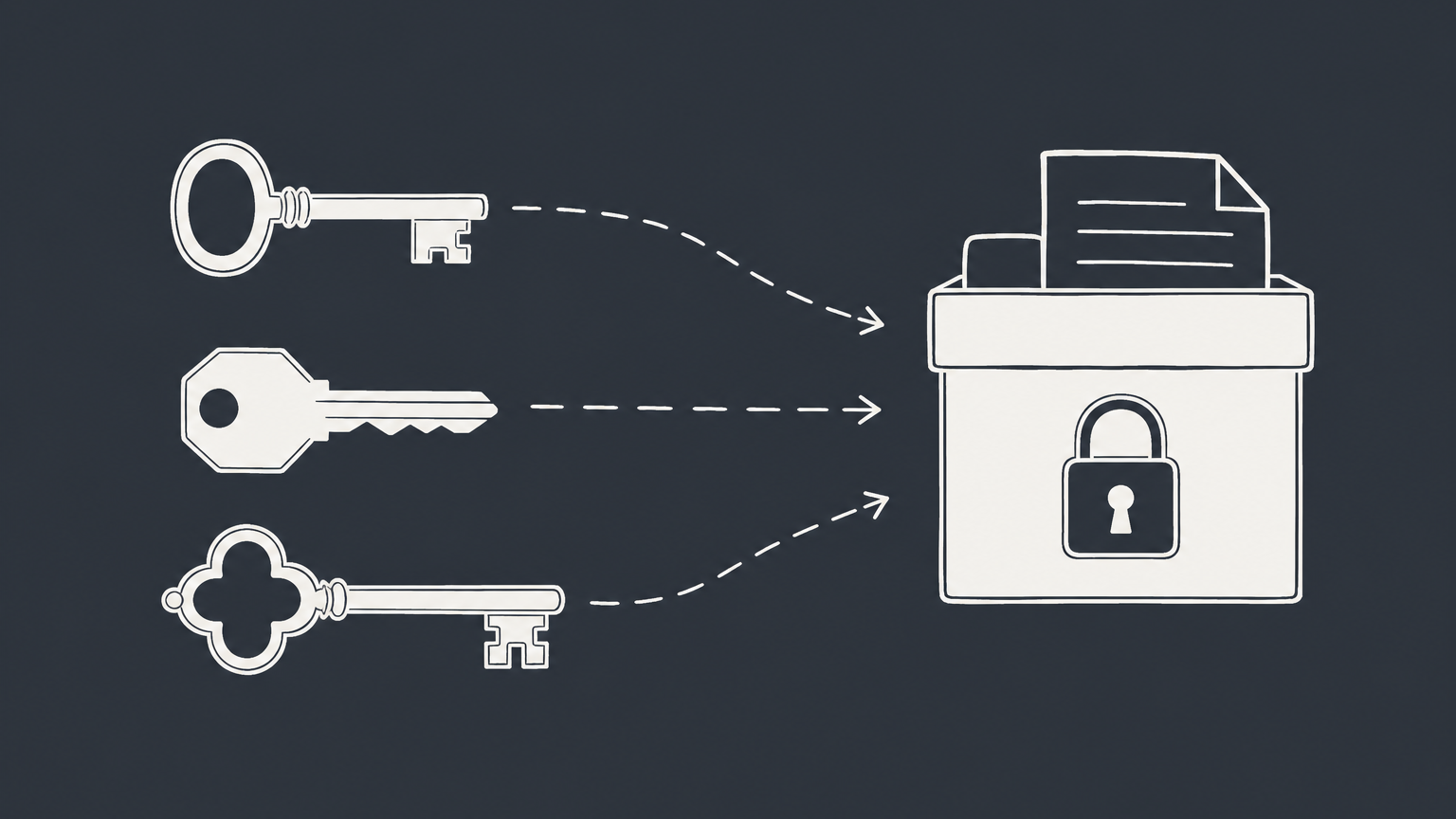
- TIN is the broad category, while SSNs, EINs, and ITINs are specific types of federal TINs.
- A business's federal tax ID number is usually its EIN, but some sole proprietors use the owner's SSN for federal tax purposes.
- Not every business or LLC automatically needs an EIN. The answer depends on its tax classification, employees, and activities.
- You can find your own TIN on official tax, Social Security, or IRS records, but another business's TIN may not be public.
- A state tax ID is separate from a federal TIN and may be required for state tax accounts.
- The IRS provides a free official EIN application process.
What Is a TIN Number?
TIN means taxpayer identification number. It is a unique nine-digit identifier assigned to a person or entity for federal tax administration. The Internal Revenue Service issues most types of TINs, while the Social Security Administration issues Social Security numbers.
The phrase "TIN number" is common, although the word "number" repeats the final word in the abbreviation. On tax forms, payment requests, and account applications, a request for a TIN does not necessarily mean that you need a separate number labeled "TIN." It asks for the specific taxpayer identifier that applies to you or your organization.
For an individual, that identifier is often an SSN. Someone who has a federal tax purpose but is not eligible for an SSN may use an ITIN. A corporation, partnership, employer, or other qualifying entity generally uses an EIN. The IRS also recognizes specialized identifiers, including adoption taxpayer identification numbers and preparer tax identification numbers.
The terms tax ID number and taxpayer identification number are often used broadly. A federal tax ID usually means an EIN when people discuss a business, but context matters. You can review the IRS overview of taxpayer identification numbers to confirm which federal identifier applies. Do not assume that every request for a TIN is asking for an EIN.
TIN, Tax ID, EIN, SSN, and ITIN Compared
The easiest way to understand these terms is to treat TIN as an umbrella category. An SSN, EIN, or ITIN may satisfy a request for a U.S. TIN, depending on the taxpayer and the form. A state tax ID falls outside this federal category and serves state-specific purposes.
| Identifier | Who or what it identifies | Common uses | Issuing authority | Federal identifier? |
|---|---|---|---|---|
| SSN | An individual | Individual tax reporting and Social Security records | Social Security Administration | Yes |
| EIN | A business or other entity | Business tax returns, payroll reporting, and entity identification | IRS | Yes |
| ITIN | An individual who needs a federal tax identifier but is not eligible for an SSN | Federal tax processing | IRS | Yes |
| State tax ID | A business or taxpayer registered for a state tax account | State sales, withholding, payroll, or other tax filings | Relevant state agency | No |
An ITIN is for federal tax processing. It does not provide work authorization, change immigration status, or qualify someone for Social Security benefits. An EIN is also called a federal employer identification number or federal tax ID number, even when the entity has no employees.
Formatting can provide context, but do not rely on formatting alone to decide which identifier a form requires. Read the form's instructions and identify the taxpayer named on the document. If you are forming an LLC, the rules discussed in this LLC EIN guide can help you connect the entity's structure to its federal tax ID requirements.
What Is My TIN Number and Where Can I Find It?
Your TIN is whichever federal taxpayer identifier applies to the person or entity named on the form. If a form identifies you individually, your TIN may be your SSN or ITIN. If it identifies a corporation, partnership, employer, or another business taxpayer, the requested number may be the entity's EIN.
To find your own number, start with records issued to you or the entity. An individual can check a Social Security card for an SSN or an IRS notice concerning an ITIN. A business can check its IRS EIN assignment notice, previously filed federal tax returns, payroll records, or business account records that show the EIN. Authorized representatives may also be able to obtain information through appropriate IRS procedures.
Do not use a state charter number, business registration number, or sales tax account number merely because it appears on a formation document. Those numbers may serve different purposes. Match the requested identifier to the taxpayer, issuing agency, and type of filing.
If you cannot locate an EIN, avoid submitting a number from an unverified website or public directory. Review the business's original records and follow current IRS instructions for confirming a previously assigned EIN. For more detail about locating a company's identifier, see this guide to a federal tax ID lookup. Keep all taxpayer identifiers secure and disclose them only for a legitimate reason.
Does a Business Have a Social Security Number?
A separate legal entity does not receive a Social Security number. The phrase "business Social Security number" or "business SSN" usually refers informally to an EIN because an EIN identifies a business or other entity in federal tax records. The two identifiers are not interchangeable, however. An SSN identifies an individual, while an EIN identifies an entity or business tax account.
A sole proprietor may use the owner's SSN for certain federal tax purposes because the business is not separate from the owner for those purposes. The owner may still obtain an EIN, and an EIN becomes necessary in situations covered by IRS rules, such as hiring employees. Using an EIN can also reduce how often the owner must provide an SSN on business tax documents, but it does not create a separate legal entity or automatically protect personal assets.
Corporations and partnerships generally need EINs. LLC requirements require closer attention because federal tax treatment can vary. A single-member LLC treated as a disregarded entity may use the owner's identifier for some federal income tax reporting, yet need an EIN for employees, certain tax filings, or other circumstances. Banks and counterparties may also request an EIN under their own account procedures. Review when a single-member LLC uses an SSN or EIN before putting a number on a tax or banking form.
If multiple owners, employees, foreign ownership, or overlapping registrations make the correct identifier unclear, you can post your legal need on UpCounsel's marketplace. A business attorney can review your entity structure and planned activities, identify applicable federal and state registrations, and help correct inconsistent filings. Responses typically arrive within a day.
How to Get a Federal Tax ID Number for a Business
To obtain a business federal tax ID number, first confirm that you need an EIN and complete the entity's formation before applying. The IRS asks applicants to identify the entity's responsible party, legal name, structure, address, and reason for applying. Information on the application should match the business's formation and tax records.
- Determine eligibility and timing. Confirm the entity's federal tax classification and why it needs an EIN. Avoid requesting multiple EINs for the same entity because of a lost notice.
- Gather accurate business information. Use the entity's exact legal name and current responsible-party information.
- Use the official IRS process. Eligible applicants can follow the IRS instructions to apply for an EIN. The IRS does not charge a fee for issuing one.
- Save the confirmation. Keep the EIN assignment record with the company's permanent tax and governance files.
- Use the EIN consistently. Enter the same legal name and number on tax forms, payroll accounts, and other official records.
Do not apply through a private website merely because it resembles a government service. A third party may charge for assistance even though the IRS application itself is free. International applicants and applicants who cannot use the online process should check the IRS's current application instructions rather than relying on outdated processing details. For a broader application walkthrough, see how to get a federal tax ID.
What Is a Tax ID Number Used For?
A tax ID number connects tax returns, information statements, payments, and other records to the correct taxpayer. Businesses commonly use EINs for federal income tax filings, employment tax reporting, and other returns that require entity identification. Payers may request a TIN when they need to prepare an information return concerning payments made to a person or business.
Financial institutions, payment platforms, customers, or vendors may also request a tax ID as part of account setup, tax documentation, or identity verification. A request from a private organization does not change which TIN belongs to the taxpayer. Enter the identifier required by the form and do not substitute an EIN for an SSN, or the reverse, unless the instructions permit it.
A federal TIN is not a replacement for a state tax ID. A business may need separate state registrations for sales tax, employer withholding, unemployment insurance, or another state-administered obligation. Requirements differ by state and by business activity. Check the relevant state tax and labor agencies before collecting taxable sales or paying workers.
A state entity number may also differ from a state tax ID. The secretary of state may assign a filing or registration number when the business is formed, while a tax department assigns numbers for particular accounts. Keep a record identifying each number, its issuing agency, and its intended use. This prevents a formation number from being entered incorrectly on a federal or state tax form.
TIN Number Lookup, Matching, and Privacy
Finding your own TIN differs from looking up another business's or provider's number. Your SSN, ITIN, and EIN should appear in records issued to you or maintained with your authorization. Another taxpayer's TIN may be private and may not appear in public business-registration databases.
Start a business lookup with documents exchanged for a legitimate transaction, such as a tax form supplied by the payee, rather than a general internet search. A secretary of state's database may confirm a company's name, status, or state filing number, but it does not necessarily display the company's federal EIN. Professional licenses and provider directories may use identifiers that are not federal TINs.
The IRS offers TIN Matching to eligible payers and authorized agents. The program checks whether a submitted taxpayer name and TIN combination matches IRS records before certain information returns are filed. It is not a public reverse-search tool, and access does not authorize users to search for unrelated taxpayers' numbers.
Protect an EIN even though it may be disclosed more often than an SSN. Criminals can misuse business information to submit fraudulent filings or impersonate an organization. Limit access to employees and advisers who need it, confirm why a requester needs the number, and use secure delivery methods. This guide to EIN privacy and security explains practical ways to handle the identifier.
Using an SSN or EIN for Business Credit Cards
A business credit card application and a physical business card raise different issues. A card issuer may request the company's EIN to identify the business. It may also request an owner's SSN to verify identity, evaluate personal credit, or support a personal guarantee. Providing an EIN does not necessarily eliminate a request for an SSN, and application standards vary by issuer and product.
If you operate as a sole proprietor without an EIN, an application may identify the business through your SSN. Read the application carefully and provide each number only in the field intended for it. Do not enter an ITIN, EIN, or SSN as a substitute for another identifier unless the issuer's instructions allow that identifier.
If "business card" means the printed card you give customers, do not print an SSN on it. A marketing card generally needs contact and business information, not a personal taxpayer identifier. There is also usually no reason to print an EIN on a promotional card. Give a TIN only when a customer, payer, bank, or government agency has a legitimate tax or account purpose and uses an appropriate collection process.
An EIN can help separate routine business tax identification from an owner's personal SSN, but it does not guarantee credit approval, remove personal liability, or establish business credit by itself. Keep business and personal records organized, and evaluate the terms of any credit application before agreeing to a personal guarantee.
Frequently Asked Questions
What Is a TIN Number?
A TIN number is the federal taxpayer identifier assigned to the person or entity responsible for a tax filing. When completing a form, use the identifier associated with the named taxpayer and certification, rather than assuming the request always means an EIN. An incorrect name-and-number combination can interfere with information reporting.
What Is a Tax ID Number?
A tax ID number is an identifier used to administer a tax account or filing obligation. The phrase can describe a federal TIN or a number issued for a particular state tax program. Check which agency receives the form and what type of tax is involved before entering a number.
Can I Get a Business Credit Card With My SSN?
Yes, a sole proprietor may be able to apply for a business credit card using an SSN, subject to the issuer's requirements. Approval is not automatic, and the issuer may consider personal credit or require a personal guarantee. Review the account terms to understand who is liable for charges.
How Do I Get a Business Social Security Number?
You do not obtain an actual Social Security number for a separate business entity. If someone requests a "business Social Security number," ask whether they mean the business's EIN, state registration number, or another account identifier. Clarifying the request helps prevent disclosure of your personal SSN.
Do Businesses Have Social Security Numbers?
No, Social Security numbers belong to individuals, not business entities. A sole proprietor may use the owner's SSN in connection with business income because the owner is the taxpayer. That does not make the SSN a separate number owned by the business.
What Is My TIN Number in Pakistan?
A Pakistan tax identifier is determined under Pakistan's tax registration system, not the U.S. TIN framework described here. Check the current instructions from Pakistan's official tax authority or consult a qualified local tax professional. Do not submit a U.S. SSN, EIN, or ITIN unless the requesting form specifically asks for a U.S. taxpayer identifier.


