Your primary business activity is the main activity that produces your sales or receipts. Identifying it accurately helps you prepare tax forms, registration documents, license applications, and other business records.
Key Takeaways
- Your primary activity is generally the product or service that represents the principal source of your sales or receipts.
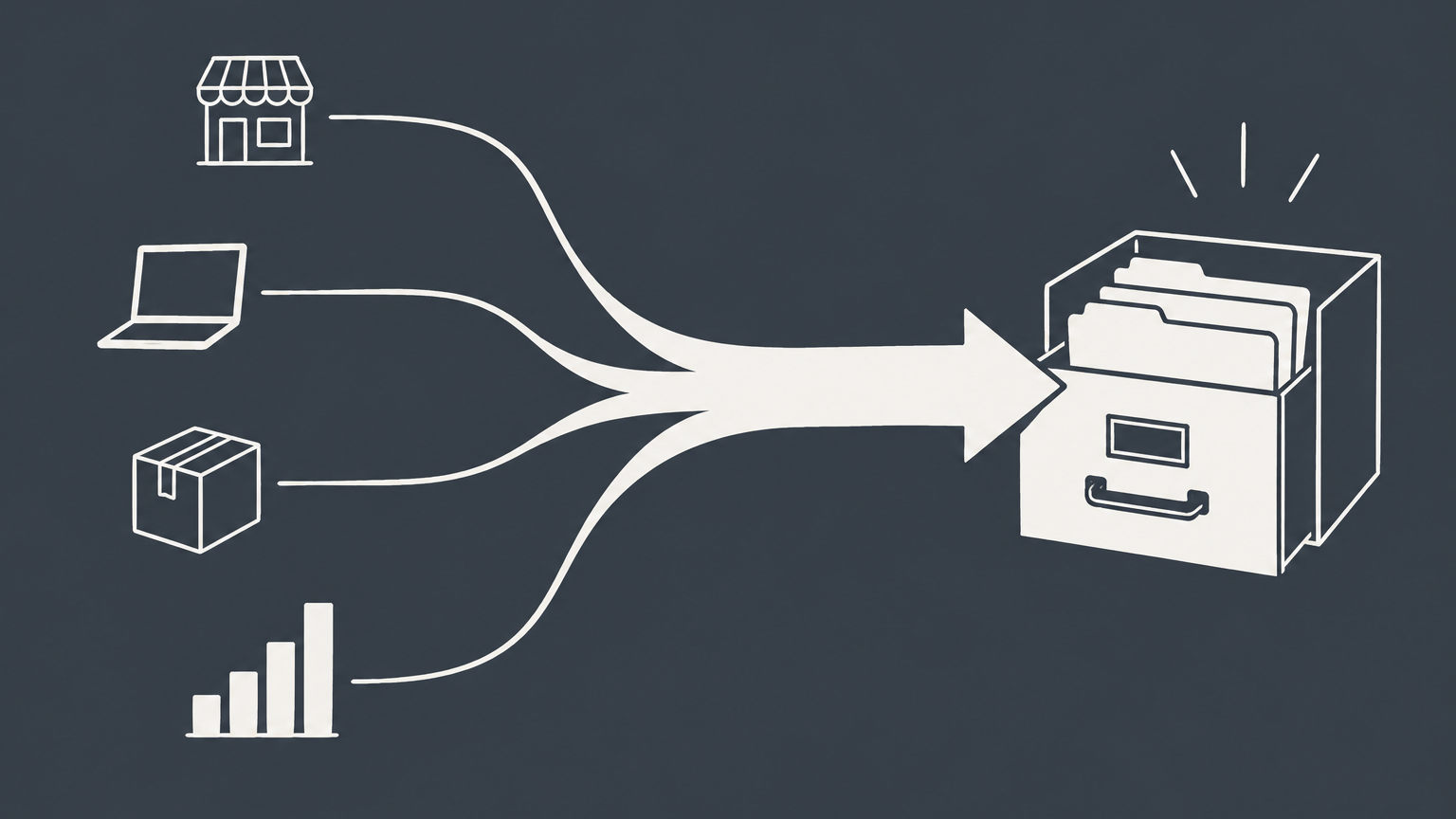
- A business with several revenue streams should compare them before selecting one principal activity.
- A business activity description explains what you do, while an activity code places that work within a classification system.
- IRS principal business activity codes are based on the North American Industry Classification System, commonly called NAICS.
- Use current IRS instructions and the Census NAICS search instead of relying on an old static code list.
- Operating, investing, and financing activities are accounting categories, not substitutes for a principal business activity code.
Primary Business Activity Meaning
A primary business activity is the activity that best represents the principal source of a business's sales or receipts. It answers a practical question: What does this business mainly do to earn money?
The primary activity is not necessarily the work that takes the most time, costs the most money, or appears first in your formation documents. It also is not every task performed inside the company. Marketing, bookkeeping, hiring, and purchasing may support the business without defining its principal source of revenue.
For example, a consultant may spend substantial time creating marketing content, but the primary activity remains consulting if client consulting fees are the principal source of receipts. A manufacturer that also operates a small store may still have manufacturing as its main activity if producing goods accounts for the larger part of the business.
Several related terms appear on forms and in filing instructions:
| Term | What It Means |
|---|---|
| Primary business activity | The activity that best describes the principal source of the business's sales or receipts. |
| Business activity description | A plain-language explanation of the product sold, service provided, or work performed. |
| Principal business activity code | A numerical classification selected from the code list provided with the applicable IRS form or instructions. |
| NAICS code | A code used to classify establishments by their primary economic activity for federal statistical purposes. |
These terms are connected, but they are not interchangeable. A form may request a written description, a numerical code, or both.
How to Identify Your Primary Business Activity
Start with the product or service that provides the principal source of your sales or receipts. Do not begin by searching code numbers. First determine what the business actually does, then locate the classification that matches it.
- List each revenue-producing activity. Separate distinct products and services. For example, list coaching fees, online course sales, and merchandise sales individually instead of labeling everything as education.
- Compare sales or receipts. Review your records for the reporting period. Identify which activity produced the largest share.
- Describe how the revenue is earned. State what you provide, who receives it, and how you deliver it. Distinguish manufacturing from reselling, and distinguish consulting from operating a software platform.
- Identify the broad industry. Determine whether the activity is primarily professional services, retail, manufacturing, construction, transportation, accommodation, health care, education, information, real estate, or another sector.
- Match the activity to the current instructions. Use the code list associated with the specific tax return or filing, then confirm the underlying NAICS description.
If you operate more than one distinct trade or business as a sole proprietor, current Schedule C instructions may require separate reporting for each business. That issue is different from choosing among several products or services within one integrated operation. Check the instructions for the form and tax year you are preparing.
Do not choose a broad label merely because it sounds flexible. A precise description such as commercial interior painting, executive coaching, or online retail of handmade jewelry gives you a better starting point for the code search.
Primary Business Activity Examples for Multiple Revenue Streams
Businesses often combine related activities. The examples below illustrate how to reason through the choice, but they do not assign definitive codes. The correct result depends on the company's facts and the current official descriptions.
| Business Activities | Likely Primary Activity Analysis | Useful Lookup Terms |
|---|---|---|
| Executive coaching plus sales of printed workbooks | Coaching may be primary if coaching fees are the principal source of receipts. Product sales may be primary if workbook sales have become the larger business. | Business coaching, professional development, educational support, book retail |
| Furniture manufacturing plus a company-owned retail showroom | Manufacturing may be primary when the company principally produces the furniture. Retail may be primary for a separate establishment mainly reselling finished goods. | Furniture manufacturing, furniture retail |
| Web design plus website hosting | Compare design fees with recurring hosting receipts, then review whether the activities operate as one service or distinct businesses. | Web design, computer systems design, data hosting |
| Restaurant plus packaged sauce sales | Restaurant operations may remain primary unless manufacturing or selling packaged products becomes the principal source of receipts. | Restaurant, food manufacturing, specialty food retail |
| Photography services plus online print sales | Photography may be primary when clients mainly pay for sessions or commercial work. Retail may fit better if standardized print sales predominate. | Photography studio, commercial photography, online retail |
These examples also show why a generic label such as consulting, e-commerce, or creative services may be insufficient. For more help presenting the company itself, review these business description examples and adapt the structure to your actual operations.
How to Write a Business Activity Description
A strong business activity description states what the company sells or does in concrete terms. It should help a filing reviewer distinguish your business from other companies in the same broad industry.
Use a simple formula: action, product or service, and customer or market. For example, write "provides bookkeeping services to small businesses" instead of "business services." Write "manufactures custom wood cabinets for residential contractors" instead of "home improvement." For an online seller, identify the merchandise rather than writing only "e-commerce."
A useful description usually addresses these questions:
- Does the business manufacture, resell, install, repair, rent, transport, publish, or advise?
- What specific product or service does it provide?
- Does it serve consumers, businesses, government agencies, or a particular industry?
- Does it operate a marketplace, provide the underlying service, or sell its own goods?
- Is the work performed at a physical location, at customer sites, or through an online platform?
Avoid marketing language that does not identify the activity. Phrases such as innovative solutions, lifestyle brand, and full-service company do not tell an agency how to classify the business. Your legal purpose clause may also be intentionally broad, so it may not provide enough detail by itself.
If you are preparing a plan or formation document in addition to a tax filing, these business description writing tips can help you separate a concise activity statement from a broader company overview. Keep the wording consistent with what the business genuinely does, but tailor the level of detail to each form.
Business Activity Code Lookup Using Official Resources
Use current government resources for a business activity code lookup. Static lists can become outdated, and the code requested by one form may not be presented in the same way on another.
- Open the instructions for the form. For a sole proprietor preparing Schedule C, start with the current IRS Schedule C page and its instructions. Other returns have their own principal business activity code lists.
- Find the broad category. Select the category that best describes the primary business activity.
- Review the listed activities. Look for the activity that most closely identifies the principal source of sales or receipts. Read nearby entries because similar activities may be classified differently.
- Verify the industry description. Use the official Census NAICS resources to search keywords, review sector definitions, and examine what a classification includes or excludes.
- Confirm the code required by the filing. Enter the code shown in the instructions for that particular form rather than assuming every agency requests the same level of detail.
- Save your reasoning. Keep a short note showing the revenue sources, description reviewed, and reason for the selection. This makes future updates easier if the business changes.
NAICS is hierarchical. Broad sectors divide into progressively more detailed industries, with a six-digit code providing the most specific U.S. industry classification. The IRS uses principal business activity code lists based on NAICS, but you should still follow the exact instructions attached to the return you are filing.
Where Business Activity Codes Are Used
Federal tax returns commonly request a principal business activity and code. An application for an employer identification number also asks for the business's principal activity and a more specific description of its products, services, or operations. Follow the wording on the application instead of assuming it requests the same field as a tax return.
State and local agencies may separately request a business activity description, NAICS classification, or locally defined activity. They may use that information for registration, tax administration, or determining which requirements might apply. For example, businesses registering in San Francisco should consult the current instructions from the Office of the Treasurer and Tax Collector rather than copying a code from an unrelated federal form.
A classification code does not replace a license, permit, or regulatory approval. A company can select a reasonable industry code and still need professional, health, construction, transportation, zoning, or other approvals based on its actual operations. Requirements can also differ across jurisdictions.
Business Activity Code MCA for MGT-7
India's Ministry of Corporate Affairs activity classifications associated with MGT-7 should not be confused with U.S. IRS principal business activity codes or NAICS codes. If you are preparing an MCA filing, use the current MCA form, instructions, and applicable Indian professional guidance. A U.S. NAICS result does not establish the correct classification for that filing.
If an unclear classification could affect licensing, entity filings, regulated activities, or registrations in multiple jurisdictions, you can post your legal need on UpCounsel's marketplace. An attorney can review your actual operations, identify applicable filing and licensing requirements, and coordinate classification questions with your tax professional. Responses typically arrive within a day, helping you address the classification before submitting inconsistent filings.
Edge Cases, Changes, and Common Classification Mistakes
A new business may not have an established revenue pattern. In that situation, use the activity expected to be the principal source of sales or receipts based on the company's current operations, contracts, launch plan, and reasonable projections. Revisit the selection once actual results provide a clearer picture.
If two activities produce similar receipts, do not select a code arbitrarily. Consider which activity best represents the integrated business, how customers understand the offering, and whether the activities are separate trades or establishments. The instructions for the particular filing control. A tax professional can help determine whether separate reporting is appropriate.
If the main activity changes, use the current filing instructions and facts for the relevant reporting period. Also check whether tax agencies, licensing authorities, or registration offices require a separate update. Changing a code does not automatically amend every earlier record or transfer existing licenses to a new activity.
Common mistakes include:
- Selecting a code based on the company's name rather than its actual operations.
- Using the broadest available category without reviewing more specific descriptions.
- Classifying an online business by its sales channel instead of the product or service sold.
- Treating a legal purpose clause as a complete description of current business activity.
- Reusing a code from an old return after the company's principal revenue source changes.
- Assuming a nonprofit's tax-exempt purpose automatically determines its activity code.
For an organization pursuing a public or member-focused mission, distinguish its revenue-producing activity from its exempt purpose. This overview of the primary purpose of a nonprofit organization explains why purpose, activities, and organizational documents require separate analysis.
Finally, do not confuse primary business activity with the accounting categories of operating, investing, and financing activities. Those categories organize cash flows and financial transactions. They do not identify the industry code for a company's principal product or service.
Frequently Asked Questions
What Is Primary Business Activity?
Primary business activity is the main revenue-producing work performed by a business. On a filing, it usually calls for the activity that best identifies the principal source of sales or receipts, not every supporting function. The requested answer may be a short written description, a principal business activity code, or both, depending on the form.
How Would You Classify Business Activities?
You would classify business activities by examining what the company provides and how it earns its receipts. First distinguish goods from services, then identify functions such as manufacturing, reselling, renting, repairing, transporting, or advising. After choosing the closest industry, compare the official inclusions and exclusions before entering the code requested by the filing.
What Are Some Examples of Primary Business Activities?
Examples include residential construction, management consulting, clothing manufacturing, grocery retail, freight transportation, software publishing, property management, and dental services. A company's correct activity depends on what it actually provides. Two companies serving the same customers can have different classifications if one manufactures a product while the other only distributes or installs it.
What Are the Three Primary Business Activities?
The phrase sometimes refers to operating, investing, and financing activities in accounting, but those are cash-flow categories. They do not represent the three possible industry classifications for a company. For tax and NAICS purposes, a primary business activity instead describes the main economic work performed, such as manufacturing products, selling merchandise, or providing a specific service.
What Are Five Business Activities?
Five common business activities are manufacturing goods, selling goods, providing professional services, transporting passengers or freight, and renting property or equipment. This is an illustrative list, not an official five-part classification. Each category contains narrower industries, so a filing preparer should identify the company's specific offering before selecting a numerical code.
Can a Business Have More Than One NAICS Code?
A business can be associated with more than one NAICS code when it conducts distinct activities or operates multiple establishments. However, a form requesting one primary or principal code generally expects the code that best matches the activity relevant to that filing. Separate establishments, registrations, or trades may require additional classifications under the applicable agency's instructions.


